





The Wild Heart of India
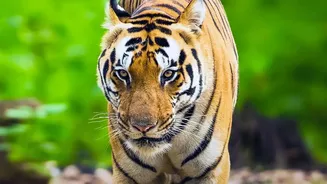
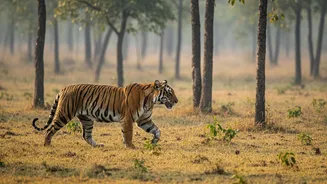
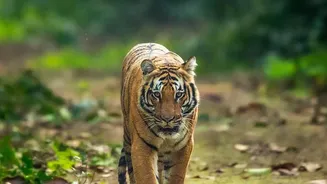
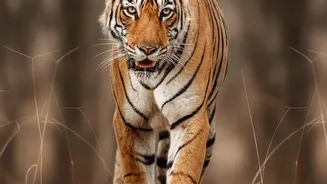
Central India, particularly the state of Madhya Pradesh, is renowned as the 'Tiger State'. It is home to some of the country's most iconic and well-managed tiger reserves. The big three that should be on every wildlife enthusiast's radar are Bandhavgarh,
known for having one of the highest densities of tigers in India; Kanha, the sprawling sal and bamboo forest that inspired Rudyard Kipling's 'The Jungle Book'; and Pench, another 'Jungle Book' landscape with its rich teak forests. Each park offers a unique ecosystem and a chance to see not just tigers, but also leopards, sloth bears, wild dogs (dholes), and a vibrant array of birdlife. For a backpacker, this circuit represents the ultimate Indian wildlife adventure.
Your Chariot Awaits: The Overnight Train
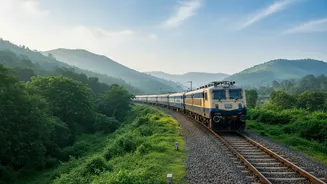
The real game-changer for budget and solo travel to these parks is the Indian Railways network. Instead of expensive flights or long, tiring bus journeys, you can board an overnight train from major hubs like Delhi, Mumbai, or Kolkata and wake up near the wilderness. The strategy is simple: save a night on accommodation and travel while you sleep. Key railway stations act as gateways. For Bandhavgarh, the nearest stations are Umaria (32 km) and Katni (97 km). For Kanha, the most convenient railheads are Jabalpur (160 km) and Gondia (145 km). Pench is best accessed from Nagpur (about 92 km away), a major junction with excellent connectivity from across the country. Booking a sleeper or 3AC ticket is a cost-effective way to travel, offering a chance to meet fellow travellers and experience a slice of Indian life.
From Station to Safari
Arriving at a dusty, rural railway station at dawn is part of the adventure. From these stations, the final leg of the journey to the park gates is typically covered by road. Outside stations like Umaria, Katni, Jabalpur, and Nagpur, you will find a host of options. Shared jeeps are a popular and economical choice for backpackers. You can also hire a private taxi, which can be surprisingly affordable if you team up with other travellers heading in the same direction. It is always a good idea to have some cash handy for this part of the journey. The drive itself, often taking between one to four hours, is a wonderful transition from the hustle of the train to the tranquility of the jungle, passing through small villages and changing landscapes.
A Backpacker's Den
The areas around these national parks are no longer just for luxury tourists. A growing ecosystem of budget-friendly accommodation has sprung up to cater to backpackers. You can find basic guesthouses, homestays, and even safari hostels that offer dorm beds and private rooms at a fraction of the cost of high-end lodges. These places are not only easy on the wallet but are also fantastic places to meet other wildlife lovers, share stories, and find companions to split the cost of safari jeeps. Many budget accommodations can also help you book your safaris, making the process much simpler for a solo traveller.
The Solo Traveller's Handbook
Travelling solo, especially for women, requires some planning but is entirely manageable and safe with a few precautions. Always let a friend or family member know your itinerary. Dress modestly to respect local customs. When booking safaris, ask your guesthouse to help you join a group to share the jeep, which significantly cuts down costs. It's often safer and more convenient to use public transport or pre-booked taxis rather than trying to hitchhike. Hostels and popular guesthouses are great for finding travel buddies. Finally, while the goal is to see a tiger, don't let it be the only focus. Enjoy the journey, the sounds of the jungle, the diverse wildlife, and the incredible experience of being in the wild heart of India.