


The Pressure Cooker of Tradition
In India, festivals are deeply communal and family-centric. From Diwali pujas to family gatherings, the cultural script often revolves around the family unit. This can make single individuals feel conspicuous. Psychologists note that because these events
emphasise family milestones like marriage and children, being single can feel like a deviation from the norm, triggering a sense of isolation. The constant, well-meaning questions from relatives—'When are you settling down?'—and the curated perfection of couples on social media add to what experts call 'social comparison overload'. This intense environment, where one's life choices are implicitly measured against a traditional timeline, creates a unique form of social and psychological pressure. For many, this makes family gatherings feel less like a celebration and more like an examination of their personal life.
From FOMO to Intentionality
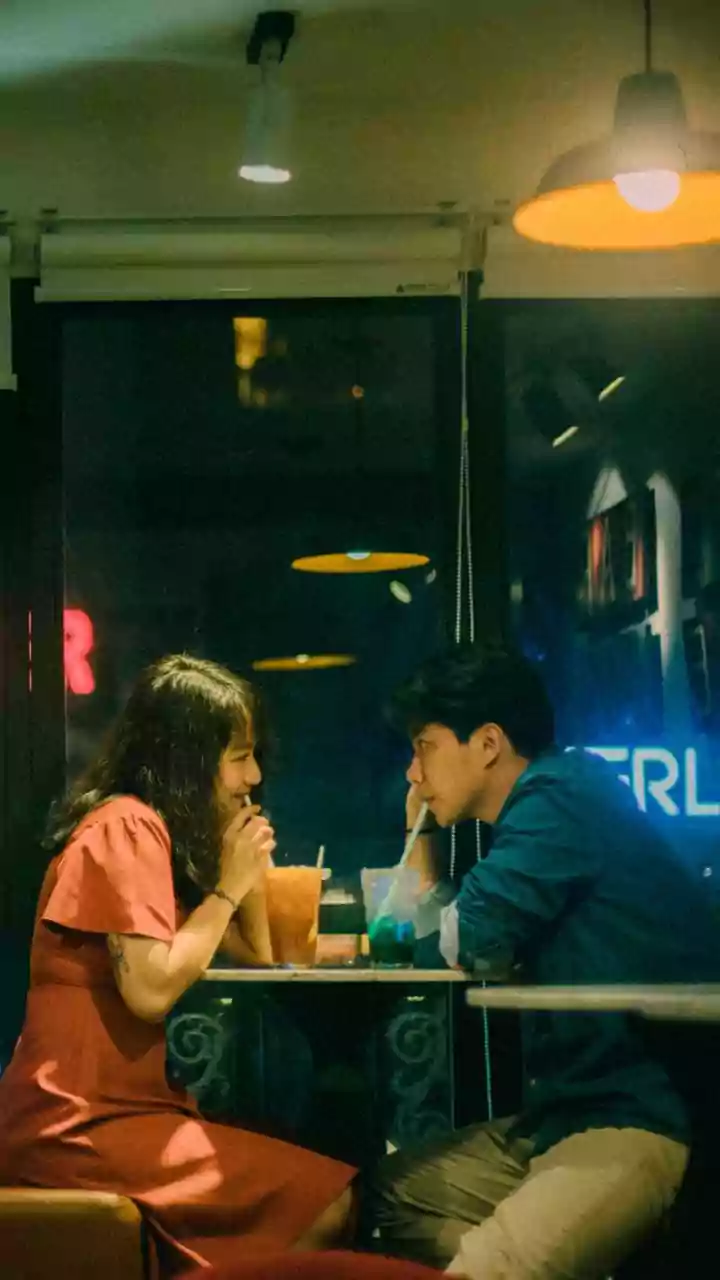
The fear of missing out (FOMO) is a powerful force during festivals, with studies showing that around 32% of singles feel particularly lonely without a partner during this time. The temptation to find a 'plus-one' for parties is strong, leading to a trend some call 'festival dating'. However, a surprising counter-trend is emerging. Recent survey data from October 2026 shows that many singles are becoming more aware of this temporary loneliness and are actively resisting the urge to jump into a relationship just to avoid it. One survey found that nearly 49% of singles are intentionally delaying matching with someone during the festive season to avoid what they call a 'FOMO connection'. This indicates a significant shift from reacting to social pressure to acting with intention. Singles are starting to distinguish between genuinely liking someone and simply hating the feeling of being alone during the celebrations.
The Festival as a Compatibility Test
Increasingly, singles are using the festive season as a practical litmus test for compatibility. A survey from a dating app revealed that two in five singles see festivals like Navratri and Durga Puja as a way to gauge a potential partner's cultural alignment, values, and family dynamics. Indifference towards traditions has become a dealbreaker for a significant number of young daters, not necessarily for religious reasons, but because it signals a lack of emotional connection or respect for one's background. Observing how a date interacts with family, their attitude towards traditions, or even their food habits during celebrations provides valuable insights that go beyond a typical first date. This period of high social and familial visibility helps singles assess whether a potential partner fits into their life in a meaningful, long-term way.
Redefining Celebration and Companionship
In response to the pressures, many singles are also proactively redefining what celebration looks like. Instead of focusing on the absence of a romantic partner, there is a growing emphasis on 'chosen family'. Studies show that a significant portion of young Indians—around 36% in one survey—prefer celebrating festivals with friends. This involves creating new traditions, hosting friends-only parties, or volunteering for community events to build a sense of connection and purpose. By focusing on self-care and strengthening platonic bonds, they actively reduce feelings of loneliness and find joy outside the conventional romantic framework. This shift allows them to enjoy the festive spirit on their own terms, prioritising their well-being over conforming to external expectations.