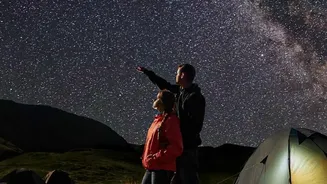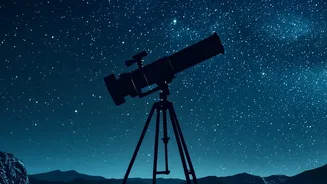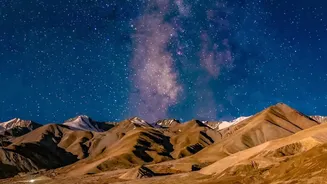




Imagine a place so dark the Milky Way casts a shadow. That’s Spiti Valley, a high-altitude desert in the Himalayas with some of the best night skies on Earth. Planning a trip here requires care, but the reward is a view of the cosmos you'll never forget.
Why Spiti’s Skies Are World-Class
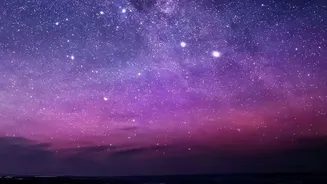
Spiti Valley delivers a stargazing experience that is nearly impossible to find elsewhere. Its combination of high altitude (averaging 12,500 feet), dry air, and near-zero light pollution creates a crystal-clear window to the universe. Located in a rain shadow, the region sees very little cloud cover, even during monsoon season. The air is so thin and transparent that stars don't twinkle; they burn with a steady, intense light. On a clear, moonless night, the Andromeda Galaxy is visible to the naked eye, and the Milky Way is bright enough to feel like a celestial river overhead.
Timing Your Trip with the Cosmos
The single most important factor for a successful stargazing trip is the moon. Plan your visit around the new moon—the week centered on it provides the darkest skies. A full moon, while beautiful, will wash out the fainter stars and the Milky Way. The best months for clear skies are September and October, after the summer dust has settled. However, if you want to see the bright, vibrant core of the Milky Way, you need to visit between April and August. The period from June to September offers a great balance of accessible roads, manageable temperatures, and brilliant night skies.
The Journey In: Choosing Your Route
There is no airport or train station in Spiti, so the final leg of your journey will be by road. You have two main options, and your choice has major implications for acclimatization. The route from Shimla via Kinnaur is longer (2-3 days of driving) but allows for a gradual ascent, which is highly recommended for first-time visitors to avoid altitude sickness. The route from Manali is faster but involves crossing high passes like Kunzum La (14,931 ft) in a single day, a rapid gain in altitude that is much riskier. This Manali-Kaza road is also only open from roughly June to mid-October, while the Shimla route is accessible year-round, weather permitting.
Respect the Altitude: Acclimatization is Key
Acute Mountain Sickness (AMS) is a serious risk and can ruin your trip. The key is to ascend slowly. If you take the Shimla route, plan for overnight stops at lower altitudes like Narkanda and Kalpa before moving higher. Once you reach Kaza (around 12,000 feet), spend at least two nights there to let your body adjust before exploring higher villages. The golden rule is 'climb high, sleep low'; take day trips to higher altitudes but return to a lower elevation to sleep. Stay hydrated by drinking three to four liters of water daily, eat carbohydrate-rich meals, and avoid alcohol for the first few days. Consult your doctor about preventative medication like Acetazolamide (Diamox) before you travel.
Permits for International Travelers
While Indian citizens do not need a special permit for Spiti Valley, foreign nationals do. If you enter via the Shimla–Kinnaur road, you'll need a Protected Area Permit (PAP), often called an Inner Line Permit (ILP), for the stretch that runs close to the Tibetan border. This permit can be obtained from government offices in Shimla, Reckong Peo, or Kaza. It generally requires a group of at least two people applying through a registered travel agency. The Manali route does not require this permit.
Prime Camping and Stargazing Hotspots
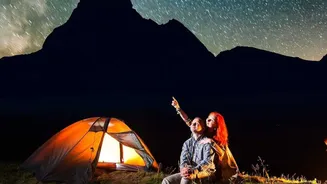
While the sky is incredible everywhere in Spiti, some spots are legendary. Langza, with its iconic Buddha statue, offers a stunning foreground for astrophotography. Nearby, Kibber and Komic are among the highest inhabited villages in the world, providing unobstructed, 360–degree views of the sky. For the ultimate dark–sky experience, Chandratal Lake is unmatched. There are no permanent buildings here, just campsites set up during the summer months, ensuring absolutely no light pollution. The lake's surface often reflects the stars, creating a surreal, otherworldly scene.
Packing for the High Desert
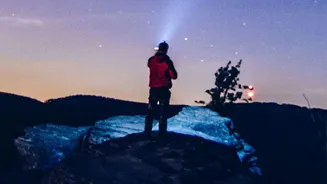
Even in summer, temperatures in Spiti can drop below freezing at night. Layering is essential. Your packing list must include thermal base layers, a fleece or down jacket for insulation, and a windproof and waterproof outer shell. Don't forget woolen socks, gloves, a warm cap, and a neck gaiter. Due to the high altitude, UV radiation is intense, so SPF 50+ sunscreen, sunglasses, and lip balm are non–negotiable. A headlamp is crucial for navigating in the dark at campsites. Finally, carry a basic medical kit with remedies for headaches, stomach issues, and any prescription medications.