


Why Iron Matters
Iron is an essential mineral that plays a central role in keeping you healthy and energised. Its most critical job is to help create haemoglobin, a protein in your red blood cells responsible for carrying oxygen from your lungs to every part of your body.
Without enough iron, your body can't produce enough of these oxygen-carrying cells, leading to fatigue, weakness, and a condition known as iron deficiency anaemia. This is particularly relevant in India, where vegetarian diets are common and iron deficiency is a widespread concern.
The Tale of Two Irons: Heme vs. Non-Heme
Not all dietary iron is created equal. There are two main types: heme and non-heme. Heme iron is found in animal products like meat, poultry, and fish. Your body finds this type very easy to absorb. Non-heme iron, on the other hand, comes from plant-based sources like lentils, beans, spinach, tofu, and whole grains. While these foods are excellent for you, non-heme iron is absorbed much less efficiently by the body, with absorption rates ranging from just 2% to 20%. This is the key challenge for vegetarians and anyone relying heavily on plant-based foods for their iron intake.
The Heroic Role of Vitamin C
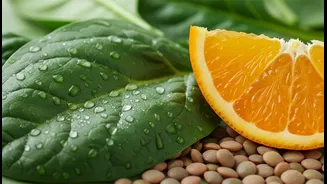
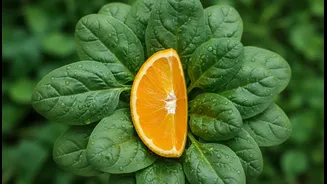
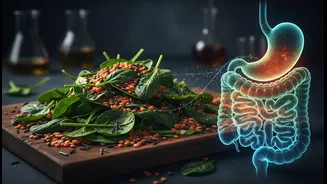
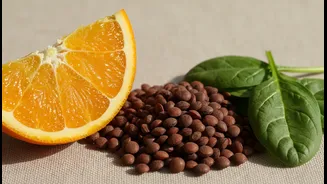
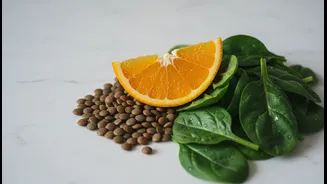
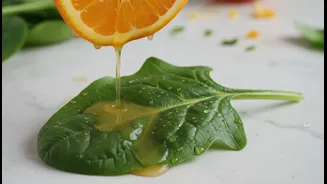
This is where citrus fruits and certain vegetables come into play as superheroes for iron absorption. Vitamin C, or ascorbic acid, is a powerful enhancer of non-heme iron. When you consume Vitamin C-rich foods alongside plant-based iron sources, it works its magic in your digestive system. It helps convert the non-heme iron into a form that is much easier for your body to absorb. The effect is significant; some studies suggest Vitamin C can increase iron absorption by up to six times. This is why a simple, traditional practice like squeezing lemon juice over a bowl of dal or a spinach curry is not just for flavour—it's a nutritional masterstroke.
Your Go-To List of Iron Boosters
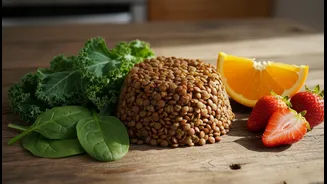
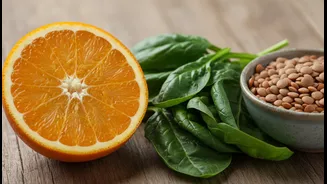
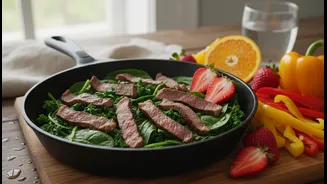
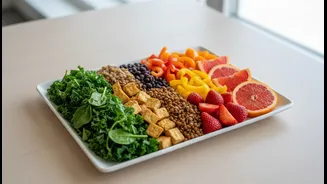
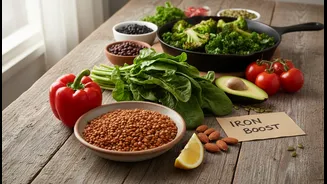
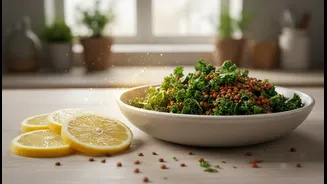
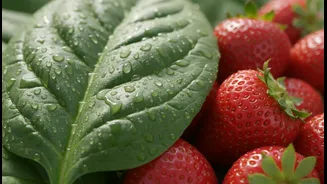
To maximise your iron intake, think in pairs. The goal is to combine a food high in non-heme iron with a food high in Vitamin C in the same meal. Beyond just citrus fruits like lemons and oranges, many other foods are packed with Vitamin C. Excellent sources include bell peppers (especially red and green), broccoli, tomatoes, strawberries, amla (Indian gooseberry), and dark leafy greens like spinach and kale, which conveniently contain both iron and Vitamin C. So, a spinach salad with a lemon dressing, or a lentil soup with tomatoes and bell peppers, are perfect examples of smart food pairing.
Watch Out for the Inhibitors
Just as some compounds enhance iron absorption, others can hinder it. The main culprits are phytates and polyphenols. Phytates, or phytic acid, are found in the very foods that are rich in iron, such as whole grains, lentils, and beans. They can bind to iron and prevent its absorption. Polyphenols, found in tea and coffee, also significantly reduce iron absorption. This means having tea or coffee with your meal can undo many of your good intentions. Calcium from dairy products can also interfere with the absorption of both heme and non-heme iron. The trick is not to avoid these foods, but to time them correctly—enjoy your chai or coffee at least an hour before or after your iron-rich meals.
Putting It All Together: Smart Meal Ideas
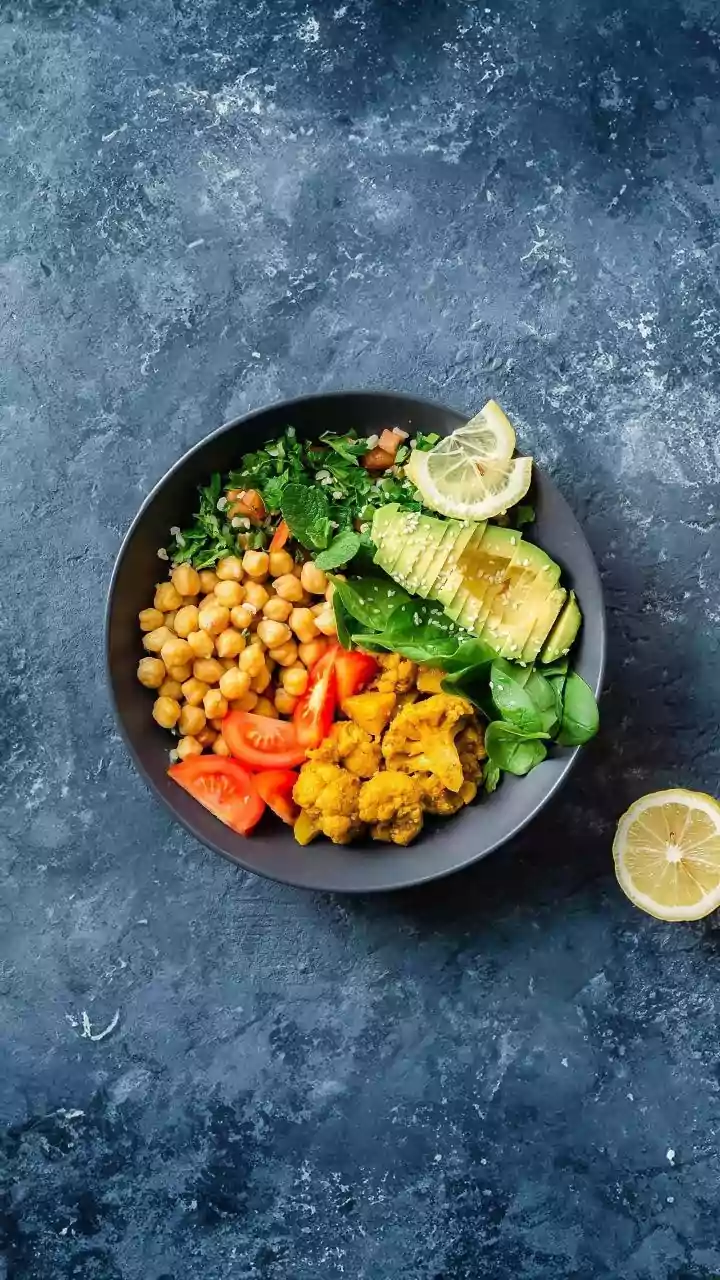
Making these principles a part of your daily diet is easier than it sounds. For breakfast, try oatmeal with strawberries and nuts, avoiding milk if you are focused on iron intake. For lunch, a chickpea salad with chopped bell peppers, tomatoes, and a lemon-tahini dressing is an excellent choice. You could also have a quinoa bowl with black beans, corn, and a side of orange slices. For dinner, a classic lentil (dal) or bean curry cooked with tomatoes, onions, and garlic, served with a side of sautéed spinach with a generous squeeze of lemon, works wonders. By consciously pairing your foods, you are not just eating a meal; you are creating a synergy that boosts your health from the inside out.