
The New Rules of the Urban Jungle
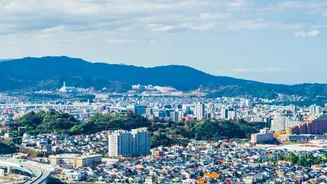
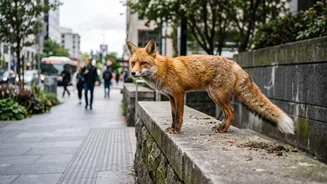
For wildlife, the city is an environment of extremes. It offers an abundance of food from overflowing bins and generous humans, but it also presents a dense maze of glass, concrete, and deadly traffic. Species that thrive in these settings are often those
with high behavioural flexibility, meaning they can adjust their habits to solve new problems. This 'synurbanization'—the adaptation of wildlife to city life—is a survival strategy. Animals that can learn and adjust to the constant presence of people and infrastructure are the ones that succeed, passing on their clever behaviours to the next generation.
Learning to Look Both Ways
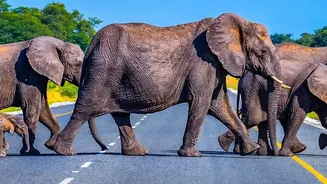
Roads are one of the biggest dangers in the urban landscape, accounting for millions of animal deaths each year. Yet, some animals are displaying remarkable 'street smarts'. Scientists studying coyotes in Chicago found that some individuals patiently wait for gaps in traffic or even for the flow of cars to stop at a red light before attempting to cross. They appear to understand the one-way flow of traffic on divided highways, only looking in the direction of oncoming cars. While viral stories of coyotes pressing crosswalk buttons have been debunked as AI fabrications, observations of them using crosswalks in cities like Boston are real. Similarly, carrion crows in Japan have famously learned to use cars as tools. They place hard-to-crack walnuts on the road at traffic lights, wait for cars to run them over, and then retrieve the cracked nuts once traffic has passed. This isn't just a random accident; researchers have documented it as a systematic, intentional behaviour.
A Shift in Schedule and Song
To avoid the most dangerous and disruptive parts of city life—namely, us—many animals have simply changed their schedules. Species like bears and coyotes have become more nocturnal in urban areas, moving and feeding after sunset to minimize human contact. This shift allows them to take advantage of the city's resources with less risk. Noise pollution also forces adaptation. To be heard over the constant din of traffic and construction, some city birds have changed their songs, singing at a higher pitch or at different times of the day, such as late at night when the city is quieter.
Not Just Learning, But Evolving?
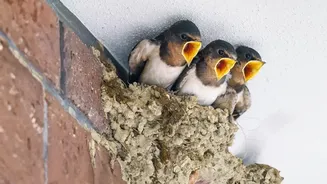
The pressures of city living may be doing more than just encouraging new behaviours; they might be driving rapid evolution. Some scientists point to small but significant physical changes in urban animal populations. For instance, cliff swallows living near highways have been observed to have shorter wingspans on average than their rural counterparts. This physical trait could make them more agile, helping them to better dodge oncoming vehicles. In Puerto Rico, city-dwelling anole lizards have developed more sticky scales on their toe pads, an adaptation that helps them grip smooth surfaces like glass and painted concrete. Even the diet of city life can leave a genetic mark. Mice in New York have evolved genes that help them metabolize the fatty fast food scraps they often find, a change similar to one seen in humans after we moved on from a hunter-gatherer lifestyle.
The Brainy Bunch
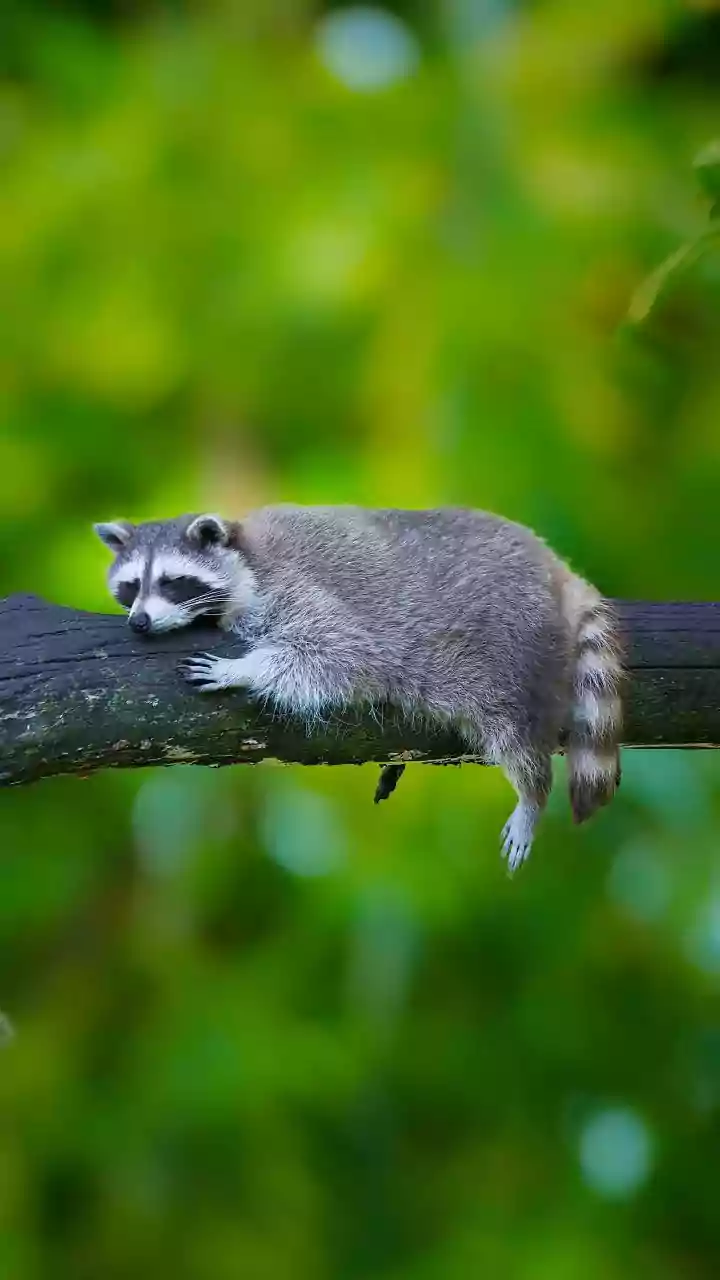
It is no surprise that some of the most successful urban dwellers are animals already known for their intelligence and problem-solving skills. Corvids (the family of crows and ravens), raccoons, and coyotes are famously adaptable. Their cognitive abilities allow them to navigate complex environments, remember food sources, and learn from their interactions with the human world. These animals don't just survive in cities; they exploit them, turning our infrastructure and our habits to their advantage. Their success provides a living example of how intelligence is a key toolkit for adapting to a world that is rapidly changing.