




More Than Just Scenic Views
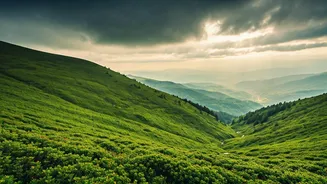
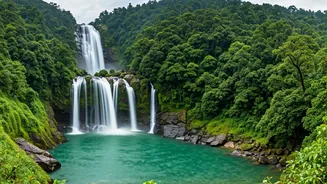
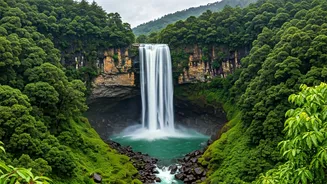
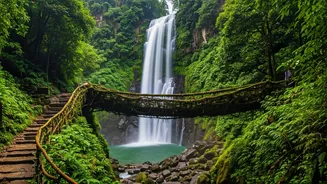
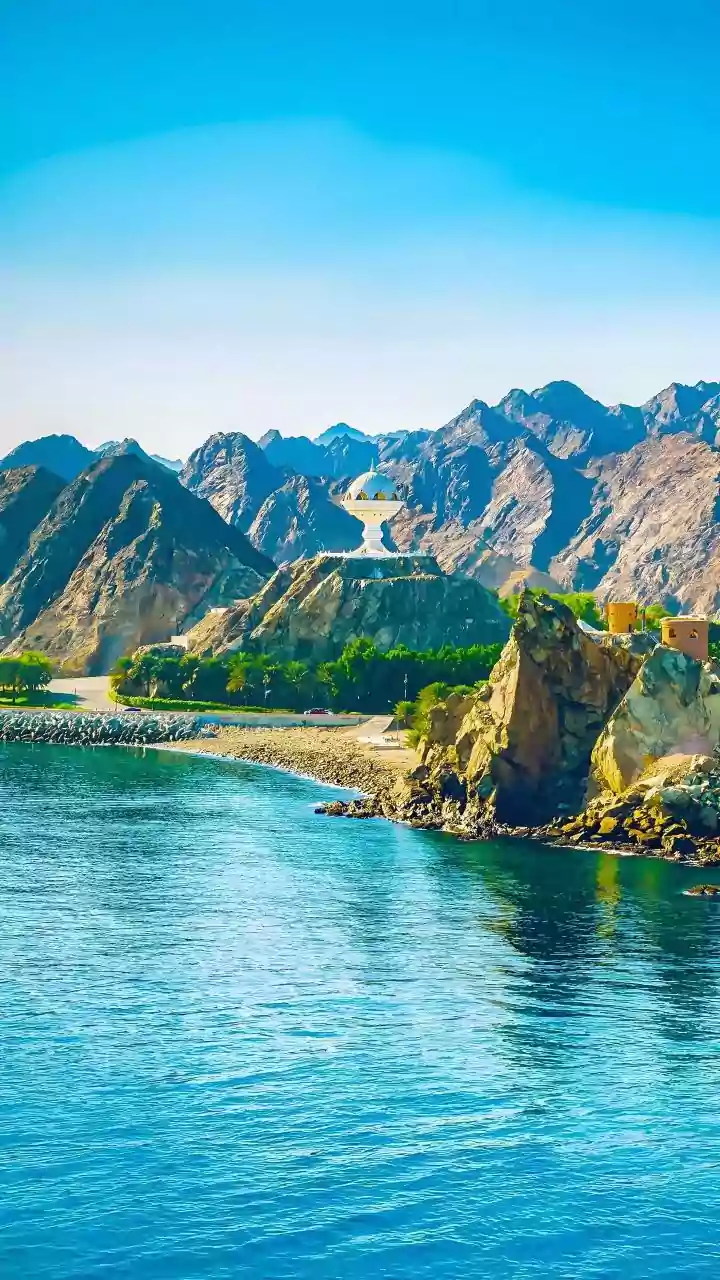
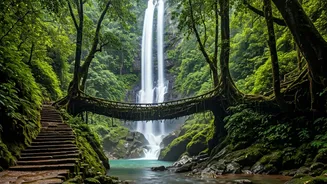
For years, the 'Abode of the Clouds' has been synonymous with lush green landscapes, the misty hills of Cherrapunji, and the crystal-clear waters of the Umngot River. While these natural wonders remain a significant draw, a cultural shift is redefining
Meghalaya's tourism landscape. Increasingly, travellers are planning their entire trips around the state's rich calendar of festivals. This move from passive sightseeing to active cultural participation marks a new chapter for tourism in the region, offering a deeper, more immersive experience that connects visitors with the heritage of the Khasi, Garo, and Jaintia tribes.
Shillong Cherry Blossom Festival: A Modern Marvel
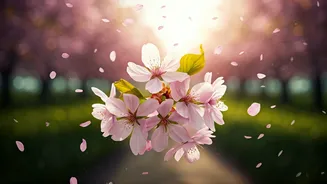
Perhaps the most famous example of this trend is the Shillong Cherry Blossom Festival. Held annually in November, it transforms the state capital into a spectacle of pink and white. Unlike many of the state's ancient festivals, this is a modern event that started in 2016 to promote tourism. It blends the natural beauty of the autumn cherry blossoms with a vibrant lineup of live music, featuring both international and local artists. The festival has grown exponentially, attracting tens of thousands of attendees who come for the concerts, food stalls, and the sheer beauty of walking under blooming trees at venues like Ward's Lake. It has successfully positioned Shillong as a major November destination, proving that a well-marketed cultural event can become a powerful tourism driver.
Wangala Festival: The Hundred Drums Roar
Deep in the Garo Hills, the Wangala Festival offers a powerful, rhythmic experience that is worlds away from Shillong's pop concerts. Known as the 'Festival of 100 Drums', this post-harvest celebration is a thanksgiving to Misi Saljong, the Sun God of fertility. Usually held in November, the festival is a pulsating display of Garo culture. Men and women in colourful traditional attire and feathered headgear dance in synchronised lines to the thunderous beat of long, oval-shaped drums. The main state-sponsored event in Tura attracts visitors from across India and abroad, but smaller, more intimate celebrations can be found in remote villages, offering a raw and authentic glimpse into ancient traditions. For cultural purists, planning a trip to witness Wangala is a top priority.
Nongkrem Dance Festival: A Sacred Tradition
For those seeking a deeply spiritual and ancient ceremony, the Nongkrem Dance Festival is a must-see. This five-day event, held annually in November near Shillong in Smit, is the most important festival of the Khasi people. It is a thanksgiving ceremony for a good harvest and community prosperity. The festival is presided over by the Syiem (chief) and the high priestess. Its most iconic feature is the dance of young, unmarried women in exquisite silk attire and heavy gold ornaments, who move gracefully in the inner circle while men, holding swords, perform a more vigorous dance in the outer circle, symbolizing protection. The Pomblang, or goat sacrifice, is a key ritual, highlighting the festival's deep-rooted religious significance. Attending Nongkrem offers a profound connection to Khasi heritage.
How to Plan Your Festival Trip
Timing your visit to Meghalaya around a festival adds an unforgettable layer to your experience. The best period for many key festivals like Wangala and the Cherry Blossom Festival is November, which also coincides with pleasant post-monsoon weather. To reach Meghalaya, most travellers fly or take a train to Guwahati, Assam, which is about a three-hour scenic drive from Shillong. Accommodation ranges from hotels and hostels in Shillong to a growing number of homestays in more rural areas, which offer a more authentic stay. It's crucial to confirm festival dates in advance, as they can vary slightly each year based on lunar calendars or administrative decisions. Booking flights and stays well ahead of time is recommended, especially for popular events like the Cherry Blossom Festival, as the state sees a significant influx of visitors.