




A Deceptive Beauty from Above
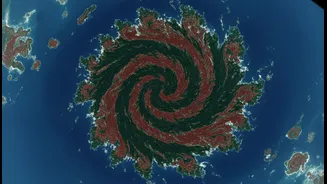
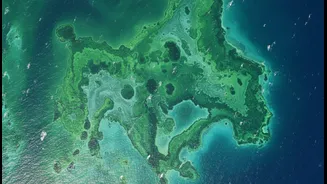
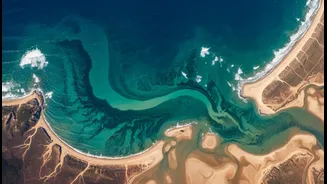
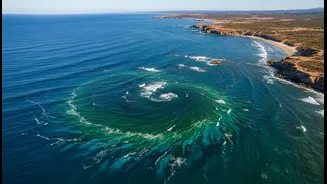
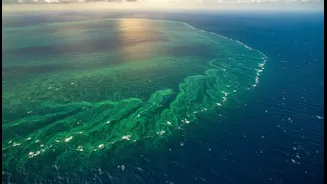
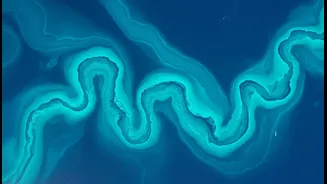
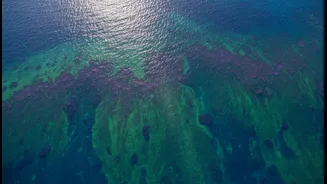
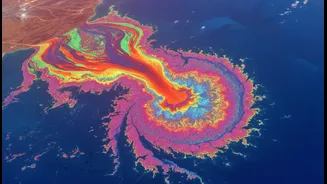
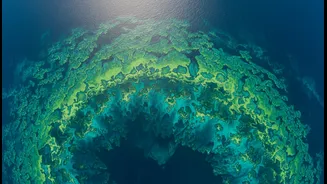
What NASA's satellites reveal are not abstract art pieces but enormous congregations of microscopic, plant-like organisms called phytoplankton or algae. When conditions are right, their populations can explode into blooms covering hundreds, sometimes
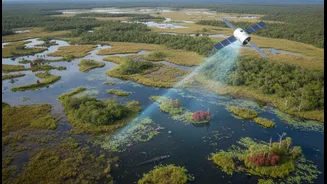
thousands, of square kilometres. Satellites like NASA's Aqua and Terra, along with newer missions like PACE, are equipped with special sensors that detect the chlorophyll in these organisms. By measuring the 'colour' of the ocean, scientists can map the size, density, and movement of these blooms with incredible precision, providing a vital, big-picture view that is impossible to get from the surface alone.
The Recipe for a Bloom
Algal blooms are not a new phenomenon; they are a natural part of ocean life. However, scientists have noted a troubling increase in their frequency, size, and duration around the world, including along India's coasts. The recipe for these super-blooms has three main ingredients: sunlight, slow-moving water, and, most critically, an overabundance of nutrients. These nutrients, primarily nitrogen and phosphorus, act like a super-fertiliser for algae. They pour into our coastal waters from agricultural runoff (fertilisers and manure), urban stormwater, and sewage discharge, effectively 'overfeeding' the algae and setting the stage for explosive growth.
When Good Blooms Go Bad
Not all blooms are disastrous. In fact, phytoplankton form the base of the marine food web and produce about half of the oxygen we breathe. The problem arises with so-called Harmful Algal Blooms, or HABs. While only a small fraction of algae species are toxic, the ones that are can be devastating. These HABs can produce potent toxins that sicken or kill fish, marine mammals, and birds. The toxins can accumulate in shellfish like clams and mussels, posing a serious risk to human health if consumed, leading to conditions like Paralytic Shellfish Poisoning. Along India's west coast, blooms of species like Noctiluca and dinoflagellates have been linked to massive fish mortality events.
Creating Marine 'Dead Zones'
Even non-toxic blooms can be incredibly destructive. When a massive bloom runs its course, the billions of algae die and sink to the ocean floor. There, bacteria get to work decomposing them. This decomposition process consumes enormous amounts of dissolved oxygen in the water. The result is a condition known as hypoxia (low oxygen) or anoxia (no oxygen), creating vast 'dead zones' where fish, crabs, and other marine life literally suffocate and cannot survive. These dead zones can persist for months, crippling local fisheries and ecosystems. One of the world's most infamous dead zones appears annually in the Gulf of Mexico, but the phenomenon is global.
A Global Thermometer for Ocean Health
Ultimately, the view from space serves as a critical diagnostic tool for our planet's health. The increasing scale and frequency of algal blooms are a clear symptom of two major human-driven pressures: nutrient pollution from land and the effects of climate change. Warmer ocean waters, another consequence of climate change, create more stable conditions that allow algae to thrive and can extend their growing season. Scientists in India and the U.S. are collaborating to better understand these trends, particularly in the Arabian Sea, where warming waters are linked to more frequent HABs. The vibrant, alarming swirls seen by NASA are a direct reflection of human activity on land, making them a powerful indicator of the stress our oceans are under.