


A Legacy Fired in Clay
Rajasthan's history is deeply intertwined with its pottery. For centuries, artisans have passed down skills that transform humble clay and quartz into objects of immense beauty and utility. The most famous of these is arguably Jaipur's Blue Pottery. With
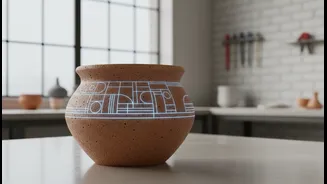
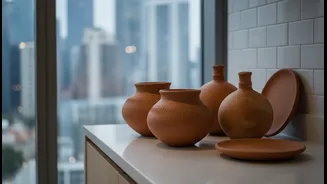
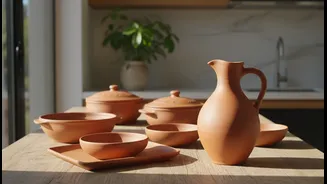
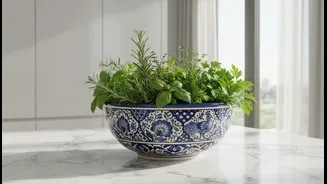
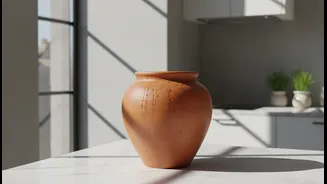
its Turko-Persian origins, this craft is unique because it doesn't use clay. Instead, a dough made from quartz powder, glass, and other materials is shaped, painted with intricate floral or geometric motifs using cobalt oxide, and fired at low temperatures. This results in its iconic blue and white patterns. Then there is the rustic terracotta art from villages like Molela, where artisans craft narrative plaques and utilitarian wares from the local riverbed clay, depicting deities and scenes from daily life. These crafts are not just products; they are stories of a region, its people, and their enduring artistic traditions.
The Modern Kitchen's Canvas
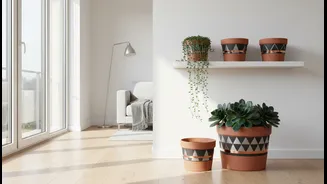
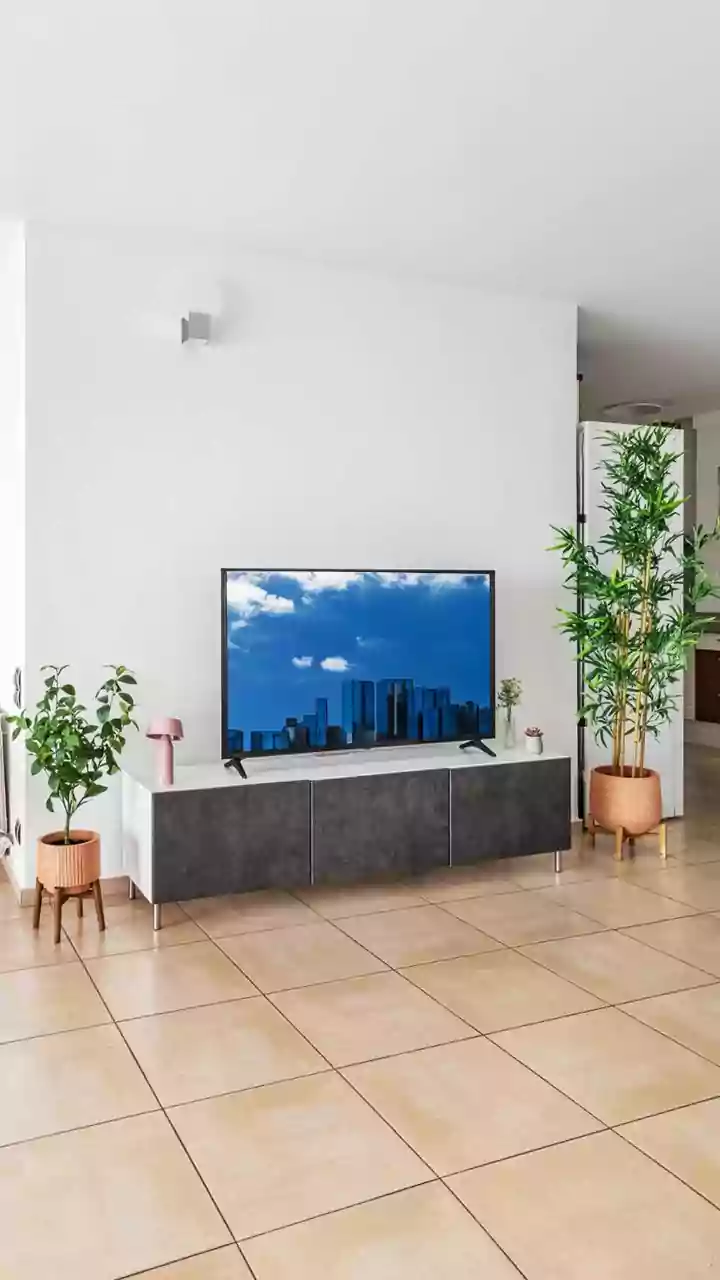
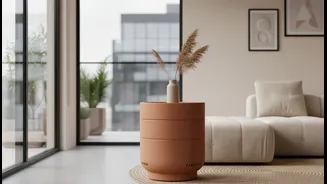
So, why is this centuries-old craft suddenly appearing in contemporary kitchens? The answer lies in a growing desire for authenticity and character in our living spaces. As many homes start to look the same with mass-produced items, there's a conscious shift towards pieces with a story and soul. Designers and homeowners are increasingly looking to blend traditional Indian decor with clean, modern lines to create a fusion that feels both current and culturally rooted. Rajasthani pottery, with its vibrant colours and handmade imperfections, offers the perfect antidote to generic design. It brings warmth, texture, and a sense of history into the kitchen, a space that is often the heart of the home. This trend is about more than just aesthetics; it's about making conscious choices to support local artisans and preserve a rich cultural heritage.
From Utility to Artful Integration
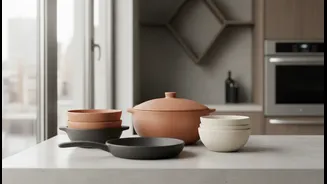
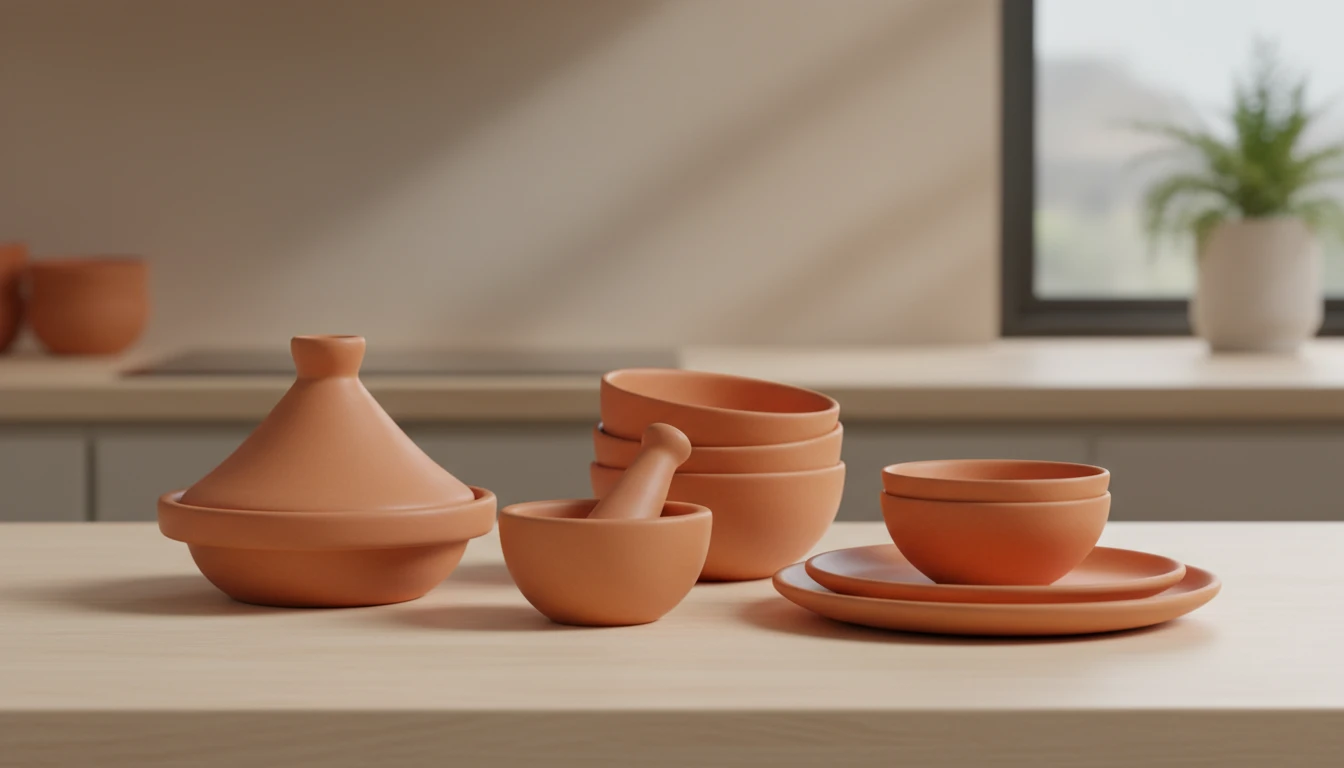
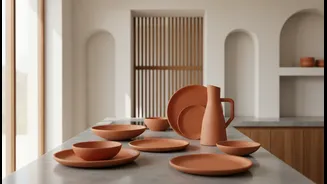
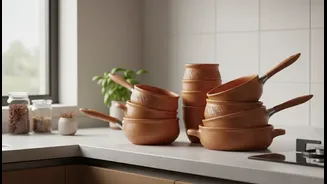
The integration of Rajasthani pottery into modern kitchens is wonderfully creative and goes far beyond a simple decorative vase. The iconic blue pottery, once mainly for decorative items like trinket boxes and coasters, is now being used for a wide range of functional and beautiful kitchenware. You can find everything from dinner sets, serving bowls, and spice jars to mugs and platters. Architects and interior designers are taking it a step further, using hand-painted blue pottery tiles to create stunning, bespoke backsplashes or flooring inlays that transform the kitchen. Similarly, the earthy appeal of terracotta is being embraced for more than just water pots. Glazed terracotta tiles offer a durable and rustic flooring option, while handcrafted bowls and serveware bring a natural, sun-baked warmth to the dining table.
A Lifeline for Artisans
This renewed interest from the urban market is a crucial lifeline for the artisan communities that have been the custodians of these crafts for generations. For years, many traditional arts faced a decline due to competition from cheaper, mass-produced goods and changing tastes. The fusion with contemporary design provides a new and vital market, ensuring that these skills don't just survive but thrive. The collaboration between designers and artisans is key. Designers bring an understanding of modern aesthetics and functional requirements, helping artisans adapt their traditional motifs and forms for a new audience. This partnership creates economic stability for the craftspeople, allowing them to continue their practice and pass their knowledge to the next generation, preserving what UNESCO has called an endangered craft in the case of Molela.