
Getting to the City of Joy
Mandu, or the 'City of Joy' as Emperor Jehangir once called it, is surprisingly accessible. From Indore, the journey is a short and scenic drive of about 95 kilometres, taking roughly 2 to 3 hours by car or taxi. For the most budget-conscious, a frequent
bus service runs from Indore to Dhar, from where you can easily find local transport for the remaining 35 km to Mandu. The bus from Indore to Dhar costs approximately ₹100–₹150. From Bhopal, the road trip is longer, covering around 287 kilometres. A cab is the fastest option, taking about 5 to 6 hours, but state and private buses also connect Bhopal to Mandu, often via Indore or Dhar, offering a more economical choice. Train travel is not direct, as Mandu's nearest major railway station is in Ratlam (124 km away) or Indore, making road travel the most practical option for this weekend trip.
Affordable Stays Amidst History
Mandu offers a range of accommodation that won't break the bank. For a comfortable and reliable option, the MP Tourism-run Malwa Resort is a popular choice, providing decent rooms and lovely views. Several budget guesthouses and hotels are scattered around the main town, with some offering rooms for as little as ₹600 to ₹1500 per night. Places like Mandu Sarai and various Jain Dharmshalas provide very basic, low-cost options for travelers who prioritise savings. Booking in advance is always a good idea, especially for weekend trips during the peak monsoon season when the city is at its most beautiful and popular.
Monsoon Marvels: Palaces and Pavilions
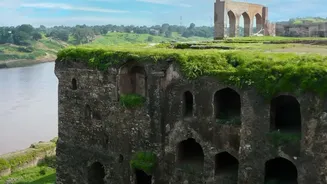
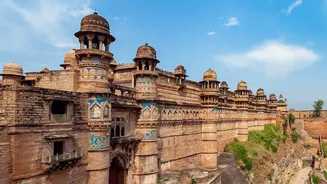
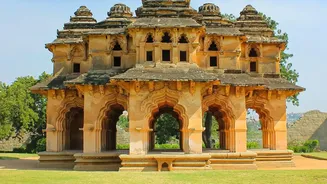
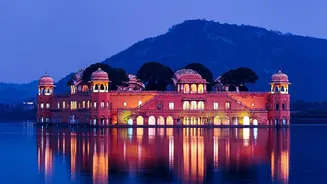
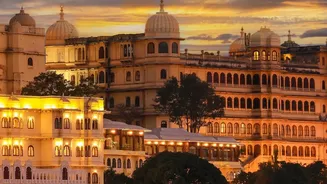
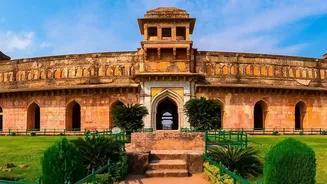
The true magic of Mandu is unveiled during the monsoon. The star attraction is the Royal Enclave, featuring the magnificent Jahaz Mahal. This 'Ship Palace', poised between two artificial lakes, truly looks like a vessel afloat on misty waters during the rains. Nearby is the Hindola Mahal, or 'Swinging Palace', so named for its distinctive sloping walls. The entire complex comes alive with lush greenery and reflective puddles, making for breathtaking views. A short distance away lies the enduring symbol of Mandu's romantic past: Roopmati's Pavilion. Perched on a hilltop, it offers panoramic views of the Narmada river valley below, a sight Queen Roopmati cherished. Legend says she would gaze at the river from here, a view that becomes even more dramatic when monsoon clouds roll in.
Exploring Beyond the Main Sights
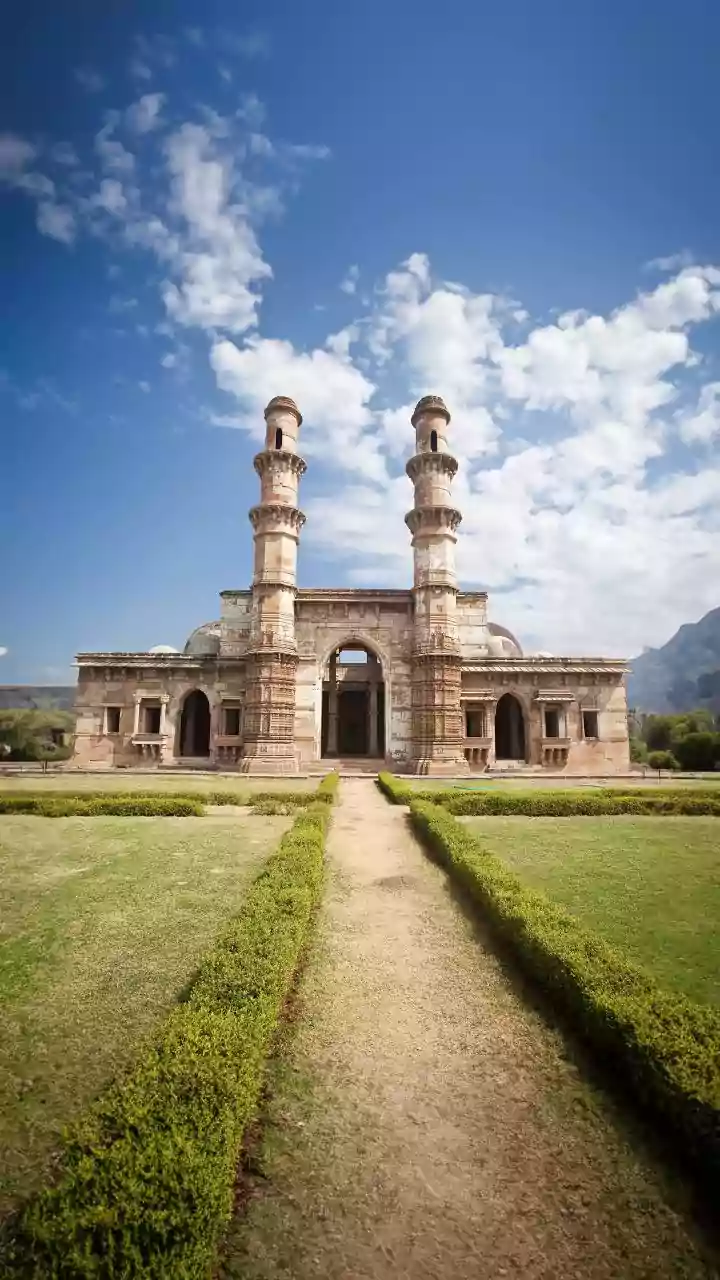
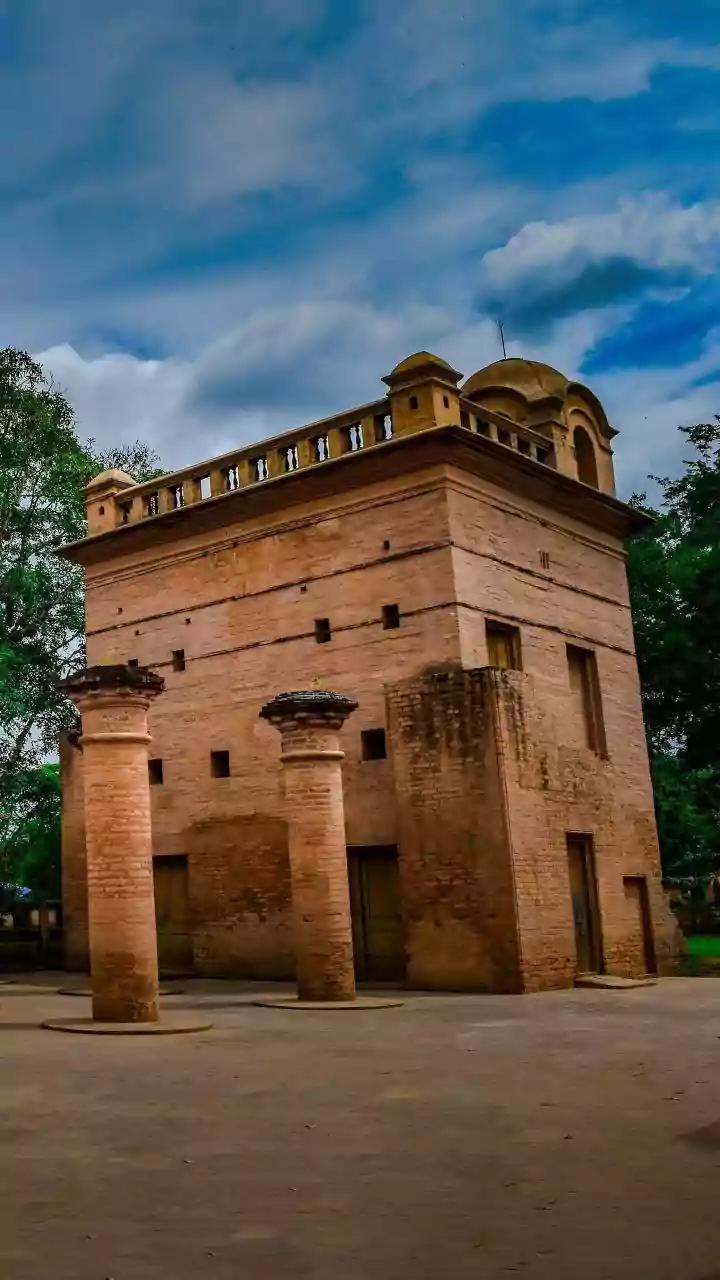
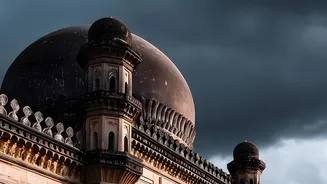
While the main palaces are captivating, Mandu's charm extends to its other monuments. Hoshang Shah's Tomb, a beautiful marble mausoleum, is considered a precursor to the Taj Mahal. The grand Jami Masjid, inspired by the great mosque of Damascus, showcases impressive scale and design. For a taste of local life and flavour, explore the small market near Jahaz Mahal for simple handicrafts. Don't leave without trying local Malwa cuisine; dishes like dal bafla and poha are must-tries. Many local eateries offer authentic food at very reasonable prices. As you wander, you'll stumble upon numerous smaller tombs, gateways (darwazas), and stepwells like the Champa Baoli, each with a story to tell.
A Sample Weekend Budget
A weekend trip to Mandu can be remarkably affordable. From Indore, a round trip by bus could cost as little as ₹400 per person. A budget hotel for one night might be around ₹1000-₹1500. Food for two days can be managed within ₹800-₹1000 if you stick to local eateries. Monument entry fees are minimal for Indian nationals, typically around ₹5-₹25 per major site. Local transport, like hiring a bicycle or using auto-rickshaws, might add another ₹500. All in all, a solo traveler from Indore could potentially manage the entire weekend trip in under ₹3000. For those coming from Bhopal, the main additional cost would be transportation, which would be higher due to the longer distance.