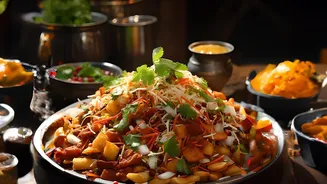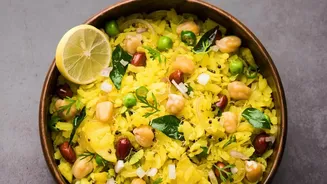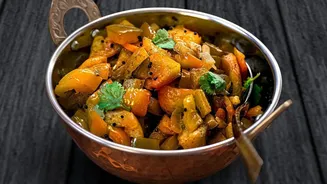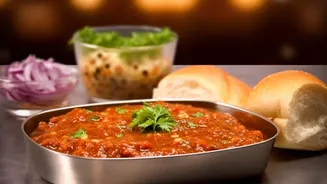


A Culinary Remix
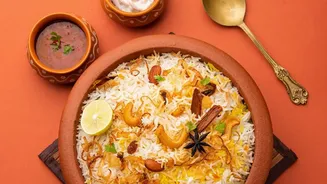
The traditional Indian festive spread, long defined by recipes passed down through generations, is undergoing a vibrant transformation. While classics like gulab jamun, chole bhature, and biryani remain central to celebrations, they are increasingly sharing
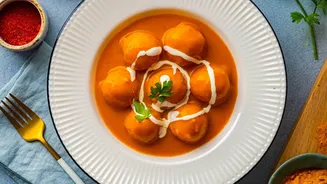
the table with innovative fusion dishes. Think of desserts like gulab jamun cheesecake, rasmalai tiramisu, or thandai mousse cake. Savoury offerings are also getting a makeover, with chefs and home cooks alike experimenting with everything from paneer lasagna to tandoori chicken garlic bread. This isn't about replacing tradition but reinterpreting it, creating a culinary dialogue between India's rich heritage and a world of new flavours and techniques.
The Global Pantry Arrives
This evolution is fueled by a growing accessibility to global ingredients and ideas. International flavours and formats are no longer exotic but have become part of the urban Indian palate. This has emboldened chefs to incorporate Western concepts into Indian sweets and savouries. For example, the structure of a parfait or trifle is being used to present classic flavours like motichoor and rabri in a new, layered format. European desserts like cheesecakes and macarons are being infused with distinctly Indian flavours such as saffron, cardamom, and paan. Even cooking techniques are being borrowed, with methods like sous-vide being used to achieve impossibly tender textures in traditional meat curries, preserving nostalgic flavour profiles with modern precision.
Chefs and Home Cooks as Innovators
Professional chefs are at the forefront of this culinary shift, moving beyond simple fusion to a more thoughtful, contemporary Indian cuisine. They are digging into regional biodiversity and forgotten grains, using their platforms to tell the story behind the ingredients. This movement is not just about novelty; it's rooted in a newfound confidence in Indian food, which no longer feels the need to translate itself for a global audience. This confidence trickles down to home cooks, who are inspired by social media and food blogs to experiment in their own kitchens. The result is a democratisation of food innovation, where a home chef in one city can try a fusion recipe popularised by a chef in another.
Driven by a New Generation's Palate
The demand for these new festive experiences is largely driven by a younger, globally-exposed generation. Having grown up with more diverse food options, they crave both the comfort of tradition and the excitement of novelty. They are more willing to experiment and are often the ones seeking out and sharing these new food trends. Simultaneously, there's a growing health consciousness influencing festive menus. This has led to a rise in demand for sweets made with natural sweeteners like jaggery and dates, or baked and air-fried versions of traditionally deep-fried snacks like gujiya. This push for 'better-for-you' indulgences allows for celebration without compromise, aligning with modern wellness values.
Evolution, Not Erasure
Does this wave of innovation threaten to dilute centuries of culinary heritage? Most food experts believe the opposite is true. This trend is seen not as an erasure of tradition but as a sign of its dynamism. Indian cuisine has always been adaptable, absorbing influences throughout its history, from Portuguese vinegar in Goan vindaloo to the rich legacy of Mughal cooking. The current fusion trend is simply the latest chapter in this ongoing story. By presenting traditional flavours in modern formats, chefs are making them relevant and exciting for a new generation, ensuring that these culinary traditions continue to thrive rather than fade into memory.