





The Irresistible Pull of Nostalgia
The most potent force behind this trend is nostalgia. For audiences who grew up watching films like 'Jab We Met' or 'Yeh Jawaani Hai Deewani', re-releases offer a chance to relive cherished memories on the big screen. It’s an opportunity to recapture
the magic of a first date, a family outing, or a college friendship. In an era of endless new content on streaming platforms, the comfort of a familiar story provides a unique emotional security. This isn't just about older generations; it’s a powerful marketing tool that taps into a collective cultural memory, turning a movie ticket into a trip down memory lane.
A Savvy and Sustainable Business Model
Beyond sentiment, the re-release trend is rooted in solid business logic. For theatre owners, old films are low-risk, low-cost assets. They are a perfect solution for filling programming gaps, especially during weeks or months with no major new blockbusters, ensuring a steady stream of patrons. While some might assume these screenings draw small crowds, the results have been spectacular. Films like 'Sanam Teri Kasam' and 'Tumbbad' not only drew significant audiences but actually surpassed their original lifetime box office collections upon their re-release. Even with modest occupancy rates of 30-40%, cinemas earn valuable revenue from ticket sales and concessions, making it a financially viable strategy.
Introducing Classics to a New Generation
This isn't just a trend for those who saw the films the first time around. Exhibitors are discovering a whole new audience in Gen Z and younger millennials. For many younger viewers, iconic films like 'Rockstar' or 'Gangs of Wasseypur' might only be known through social media clips or family conversations. Re-releases provide an opportunity for them to experience these cultural touchstones in their intended format: on the big screen. Directors and producers also see it as an experiment to gauge if classic themes and storytelling still resonate with today's youth, offering valuable insights for future projects.
From Movie Screening to Cultural Event
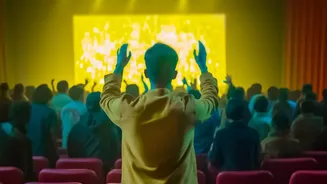
The success of re-releases lies in framing them as more than just a movie. They have become cultural events. Screenings are often timed to coincide with a film's anniversary or an actor's birthday, creating a sense of occasion. Fan communities have turned these events into celebrations, with audiences dressing up as their favourite characters and singing along to every song. This communal experience is something that watching at home on a streaming service simply cannot replicate. It reinforces the idea of the cinema as a unique social space, proving that even with films readily available online, the theatrical experience remains a powerful draw.
A Second Chance for Sleeper Hits
One of the most fascinating outcomes of this trend is the revival of films that didn't find commercial success during their initial run. Movies like 'Laila Majnu' and the horror-thriller 'Tumbbad' developed a cult following over the years through word-of-mouth and online discussions. Their re-releases were met with overwhelming demand, giving them a second life and the box office success they initially missed. This phenomenon demonstrates that a film's legacy is no longer sealed on its opening weekend. It validates the artistic vision of filmmakers whose work was perhaps ahead of its time, proving that great cinema can always find its audience, even if it takes a few years.