




The Art of the Roll
Folding clothes is a habit, but for travel, rolling is superior. It significantly compresses garments, freeing up precious luggage space. Tightly rolled clothes are also less prone to deep-set wrinkles than folded ones. For T-shirts, lay the shirt flat,
fold the sleeves in, and roll tightly from the bottom up. For trousers and jeans, fold them in half vertically and roll from the waistband down. Some travellers swear by the 'ranger roll', where you create a cuff at one end to tuck the rolled bundle into itself, making a tight, secure package that won't unravel.
Choose Your Fabrics Wisely
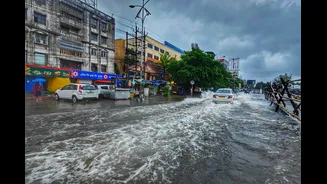
The monsoon's humidity is as much a challenge as the rain itself. Cotton, a common favourite, is a poor choice for this season as it absorbs moisture and takes a long time to dry. Instead, opt for synthetic fabrics like polyester and nylon or lightweight wool blends. These materials are quick-drying and wick moisture away from the body, keeping you comfortable even in damp conditions. A few quick-dry T-shirts, a pair of synthetic trousers, and appropriate undergarments will serve you much better than a suitcase full of cotton. These are ideal for the unexpected splash or a full-blown downpour, as they can be air-dried in a hotel room overnight.
A Fortress for Your Electronics
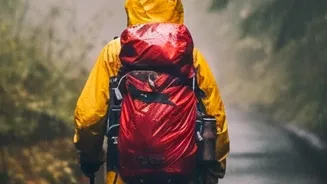
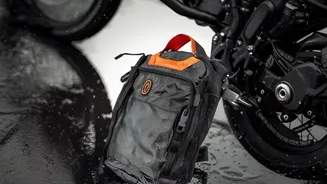
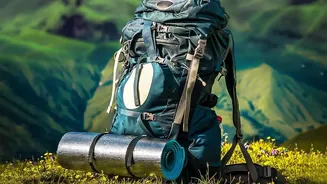
Nothing dampens the spirit like a water-damaged phone, camera, or laptop. Protecting your expensive tech is non-negotiable. The first line of defence is a high-quality waterproof backpack or a reliable rain cover for your existing bag. For individual items, invest in waterproof pouches or dry bags. These are available in various sizes and can seal your gadgets away from any moisture. For a DIY solution, double-bagging electronics in zip-top bags works well for preventing splash damage. As an extra precaution against ambient humidity, toss a few silica gel packs into your electronics bag and luggage compartments to absorb excess moisture.
The Power of Layering and Compartmentalising
Packing cubes are a traveller's best friend, and during the monsoon, waterproof or water-resistant versions are a game-changer. They not only keep your clothes organised but also provide an extra layer of protection against water. Use one cube for clean, dry clothes and bring a spare one to quarantine wet or dirty items, preventing dampness from spreading through your entire bag. This system also helps in managing laundry on the go. Always pack a lightweight waterproof jacket or poncho; it can be quickly thrown over your clothes when a sudden shower hits.
Essential Monsoon Footwear
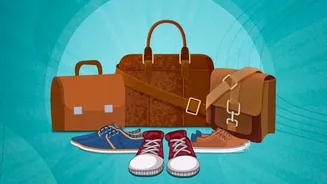
The right footwear can make or break a monsoon trip. Leather shoes are a definite no, as they get ruined by water. Closed shoes can trap water and become uncomfortable. The best options are waterproof sandals with good grip or rubber floaters. These allow your feet to dry quickly and prevent slips on wet, mossy surfaces. If you plan on trekking or walking through rugged terrain, a pair of quick-dry trekking shoes with anti-skid soles is a worthy investment. Always carry a pair of simple flip-flops for indoor use.
Don't Forget the Extras
A few small items can prove invaluable. Pack a quick-dry microfibre towel, which is more absorbent and dries faster than traditional cotton towels. Insect repellent is a must, as the monsoon season sees an increase in mosquitoes. A basic first-aid kit with antiseptic wipes, bandages, and medication for common ailments like fever and stomach upsets is also crucial. Finally, a reusable bag for wet clothes is essential for keeping them separate and being environmentally conscious.