





From Convenience to Craft
For decades, the Indian coffee experience at home was defined by convenience. A spoonful of instant coffee powder, hot water, milk, and sugar was the default recipe. This was driven by mass-market brands offering speed and a long shelf life. Instant coffee is essentially
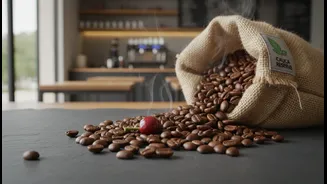
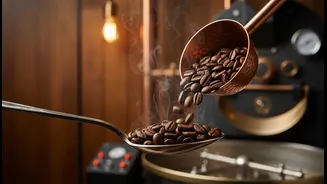
pre-brewed coffee that has been dehydrated. In contrast, single-origin coffee comes from a specific farm or region, allowing its unique environmental factors—soil, climate, altitude—to create a distinct flavour profile, much like 'terroir' in wine. This shift from a generic, often bitter taste to a world of nuanced flavours is at the heart of the new coffee movement.
The Search for Authentic Flavour
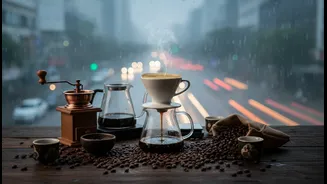
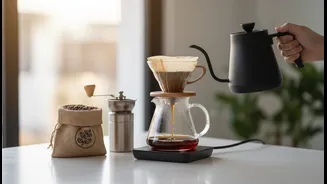
The primary driver for this change is taste. Urban millennials, exposed to global trends via travel and social media, have developed more discerning palates. They are moving beyond the one-dimensional bitterness often associated with the Robusta beans used in much instant coffee. Single-origin coffees, typically made from higher-quality Arabica beans, offer a complex spectrum of notes—from fruity and floral to nutty and chocolatey. This generation isn't just drinking coffee; they are exploring it. Local roasters and cafes play a huge role in this education, hosting cupping sessions and teaching consumers about different brewing methods like pour-overs and AeroPress that highlight these unique flavours.
An Experience, Not Just a Beverage
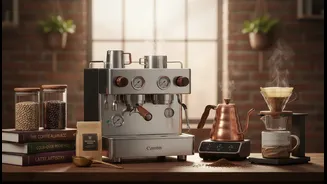
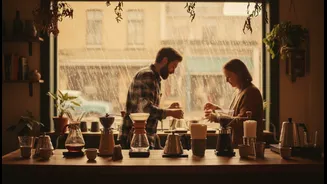
For many younger consumers, coffee is a lifestyle statement. The ritual of grinding fresh beans, the precision of a pour-over, or a visit to a thoughtfully designed café has become an experience in itself. These cafes act as 'third places'—a social hub between home and work where people connect, work, and unwind. This contrasts sharply with the purely functional nature of instant coffee. The aesthetic appeal, from latte art to minimalist packaging, also makes specialty coffee highly shareable on social media, turning a personal preference into a visible cultural trend.
Conscious Consumption and Traceability
Millennials and Gen Z are increasingly making value-driven purchases. They want to know the story behind what they consume. Single-origin coffee offers exactly that: traceability. Consumers can often learn about the specific estate where the beans were grown, the farmers who grew them, and the journey from farm to cup. This transparency resonates with a desire to support ethical and sustainable practices, such as fair pay for farmers and environmentally friendly cultivation. This search for authenticity and a connection to the source is something large, faceless commercial brands often struggle to provide.
The Health and Wellness Angle
There's also a growing perception that freshly brewed coffee is a healthier choice. Single-origin beans, which are often roasted in small batches, are seen as fresher and more natural. The process avoids the chemical dehydration used for some instant coffees and gives the consumer full control over what goes into their cup—no hidden sugars or additives. While all coffee consumed in moderation has potential health benefits like improved focus, health-conscious individuals are increasingly wary of processed products, giving freshly ground coffee an edge.