


The End of the Traditional Off-Season
For decades, Rajasthan's tourism calendar was predictable: a bustling peak season from October to March and a sweltering, quiet summer followed by a monsoon lull. That is no longer the case. The rainy season, from July to September, has emerged as a new,
sought-after travel period for domestic tourists. Travel experts note that hotels which once saw occupancy plummet are now reporting a significant uptick as soon as the rains begin, with some properties expecting over 70% occupancy, especially on weekends. This shift signals the end of the traditional off-season, transforming the monsoon into a vital secondary peak for the state's hospitality industry. Travellers are now planning these monsoon trips well in advance, indicating that a trip to a rain-soaked Rajasthan is no longer a spontaneous decision but a deliberate travel choice.
From Arid Plains to Emerald Hills
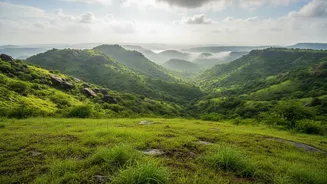
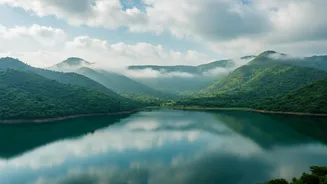
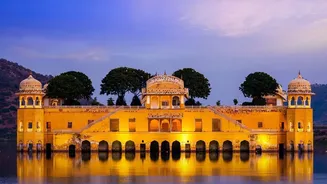
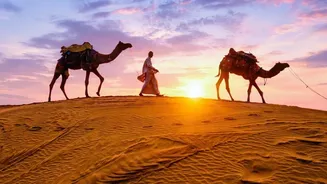
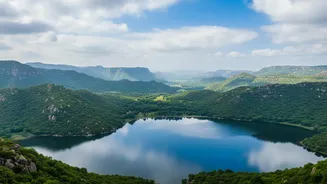
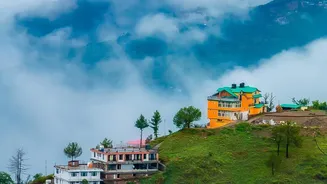
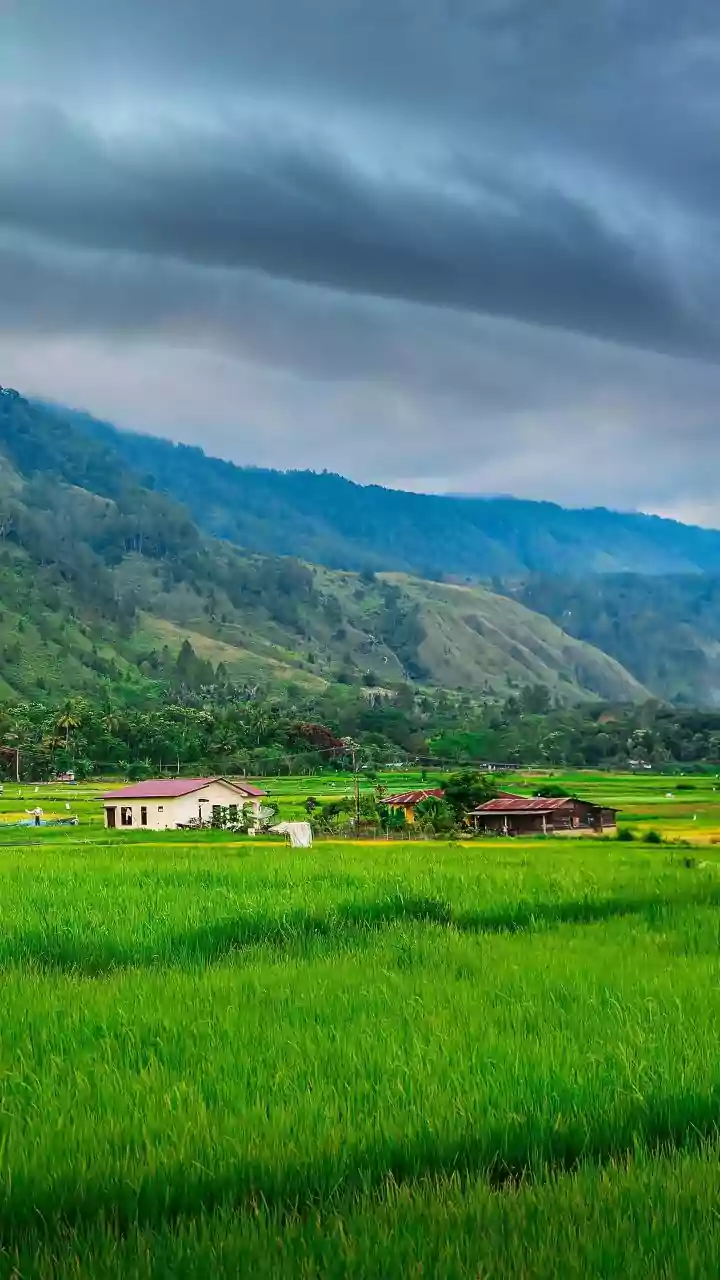
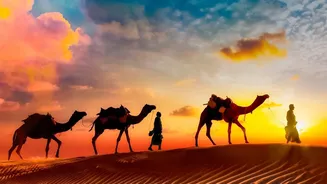
The primary driver behind this booking rush is the state's dramatic seasonal transformation. The monsoon breathes new life into Rajasthan’s landscapes, particularly in the Aravalli belt. Regions that are parched and brown for most of the year turn into a panorama of lush, green hills and valleys. In Udaipur, the city's famed lakes like Pichola and Fateh Sagar fill to the brim, their waters reflecting majestic palaces against overcast skies. Destinations like Mount Abu, the state's only hill station, become shrouded in mist, with waterfalls appearing on the hillsides. This 'green tourism' offers a completely different perspective of Rajasthan, contrasting sharply with its global image as a golden desert. The cooler temperatures, dropping significantly from the summer highs, also make exploring forts and markets a far more pleasant experience.
Udaipur and Beyond: The Monsoon Hotspots
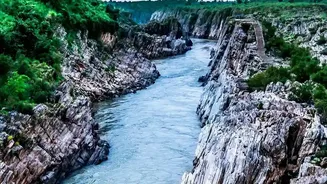
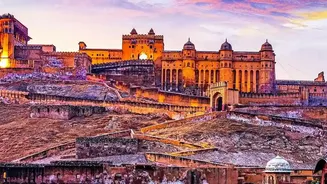
While the entire state benefits from the pleasant weather, the tourist surge is concentrated in areas that undergo the most dramatic green makeover. Udaipur consistently ranks as the number one monsoon destination, with its combination of lakes, palaces, and verdant hills proving irresistible. Just beyond, the drive to Kumbhalgarh Fort reveals a UNESCO World Heritage site wrapped in clouds and surrounded by a now-lush wildlife sanctuary. Mount Abu offers a classic hill station experience, drawing families and couples with its cool air and misty viewpoints. But travellers are also venturing to lesser-known gems. Bundi, with its ancient stepwells (baoris) filling with rainwater, offers a quieter alternative. Similarly, Banswara in the south, nicknamed the 'City of a Hundred Islands', showcases a landscape more akin to the Western Ghats during this season.
Why Now? The Drivers of the Surge
Several factors are fuelling this trend. The rise of social media plays a significant role, with captivating images and videos of a green Rajasthan inspiring wanderlust. Post-pandemic travel habits have also cemented a preference for domestic, experience-led journeys. Modern Indian travellers are increasingly looking for unique and personal experiences over conventional sightseeing, and the monsoon offers a novel way to engage with a familiar destination. Furthermore, practical considerations make the season attractive. With it still being a shoulder season compared to winter, travellers can often find better deals on hotels and fewer crowds at major attractions, making a luxury or heritage stay more accessible. This affordability has even sparked a new trend of couples choosing Rajasthan for destination weddings during the monsoon.
A Boost for the Economy, A Challenge for Sustainability
This monsoon boom is a significant economic advantage for Rajasthan. Tourism contributes roughly 15% to the state's economy and is a major employer, so extending the tourist season provides more stable, year-round income for millions, from hotel owners to local artisans. It helps stabilize revenue and employment in a sector that was once highly seasonal. However, the rise in year-round tourism also brings challenges. Increased footfall can put a strain on heritage sites and fragile ecosystems. While the monsoon surge is currently driven by domestic tourism and is less intense than the winter peak, it underscores the need for sustainable practices to ensure that Rajasthan's natural and cultural treasures are preserved for future generations, rain or shine.