









The Siren Song of Late-Night Revenue
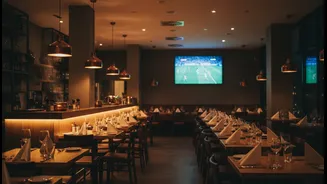
For Indian restaurants, major sporting events like the T20 World Cup or the FIFA World Cup are a golden opportunity. During the recent T20 World Cup final, some food and beverage companies reported a revenue jump of up to 50%. Chains like The Beer Cafe
saw their highest single-day revenue in over a decade. This surge is driven by fans eager for a communal viewing experience, happily paying for special menus, themed cocktails, and often, a cover charge. This is not just about one-off events. As lifestyles in urban India change, a growing number of people are dining and ordering food late into the night, a trend accelerated by late match timings. This demand creates a powerful incentive for restaurants to extend their hours, turning quiet nights into their most profitable periods. The promise is clear: more hours mean more customers, higher average bills, and a significant boost to the bottom line.
The Reality of Rising Overheads
However, keeping the lights on and the kitchen running into the early hours is an expensive affair. The most immediate impact is on operational costs. Electricity bills, gas consumption, and water usage all increase. Furthermore, late-night operations often require special licenses, which can be costly and subject to complex regulations that vary by city. Another significant expense is security. Ensuring the safety of patrons and staff late at night is non-negotiable and adds to the payroll. Then there are logistical challenges, such as arranging safe, late-night transport for employees, which becomes an added employer responsibility. A less obvious cost is the legal minefield of broadcast rights. Many owners have discovered that their standard television subscription does not cover commercial screening, leading to legal notices and demands for expensive commercial licenses from broadcasters.
The Human Cost of Extra Hours
Perhaps the most significant and least visible cost is the toll on employee wellness. The hospitality industry is already notorious for high-pressure environments and long, irregular hours, leading to severe burnout. Extending service for late-night matches pushes staff to their limits. This chronic stress contributes to India's broader burnout epidemic, where the lines between work and life have become dangerously blurred. For restaurant owners, this translates into a severe staffing crisis. The industry is already struggling with high employee turnover, with many kitchen and service staff quitting with little to no notice. Finding and retaining reliable employees willing to work anti-social hours is a constant battle. This leads to higher recruitment costs, inconsistent service quality, and a perpetual state of operational instability that can undermine the very customer experience the restaurant is trying to enhance.
Is It Worth It? The Strategic Calculation
The decision to chase late-night revenue is not a simple yes or no; it is a strategic balancing act. The most successful operators are those who plan meticulously. This includes creating limited, high-margin late-night menus to streamline kitchen operations and control food costs. They use efficient reservation systems to manage crowds and prevent being overwhelmed. Smart staffing is also crucial, involving rotating shifts, offering competitive incentives for late hours, and fostering a supportive work culture to mitigate burnout and retain talent. The time zone of the sporting event itself is a major factor. A tournament in a favorable time zone, like the Qatar World Cup, is far more commercially viable than one in North America, where late kick-offs clash with municipal closing times and staff availability. Ultimately, restaurants must weigh the potential for a 30-40% revenue spike against the tangible costs of overheads and the intangible, but very real, cost of employee churn.