



From Obstacle to Main Attraction
The conventional wisdom for travel in India was always to avoid the monsoon months of June through September. The logic seemed sound: rains could cause delays, wash out roads, and keep you stuck indoors. But an increasing number of travellers are discovering
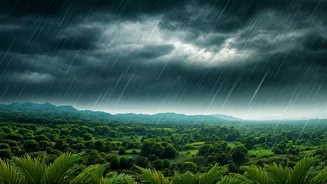
what was hiding in plain sight: the monsoon doesn't just disrupt the landscape, it transforms it into a living masterpiece. This new approach to travel reframes the rain as the main event. It’s a shift in perspective that treats the entire season as a destination in itself. Instead of planning a trip despite the rain, people are travelling specifically for the rain, seeking out the unique beauty and atmosphere it creates.
Nature's Canvas in the Western Ghats
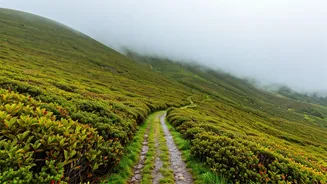
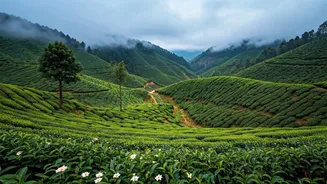
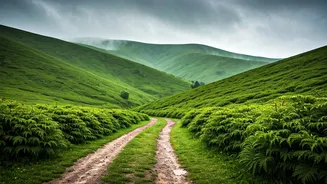
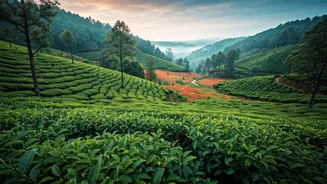
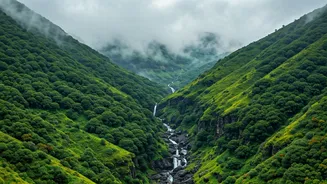
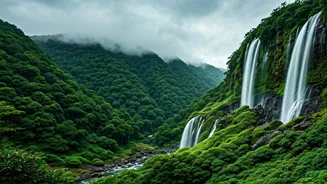
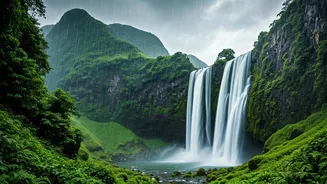
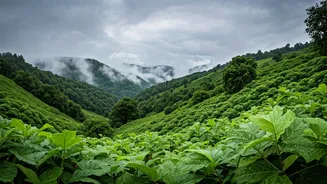
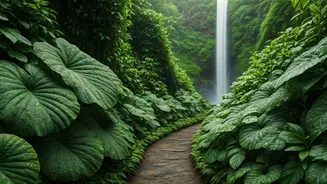
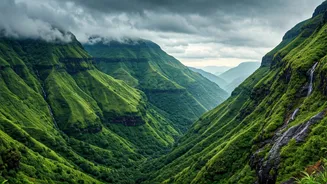
Nowhere is this transformation more evident than in the Western Ghats, a UNESCO World Heritage site older than the Himalayas. Spanning states like Maharashtra, Goa, Karnataka, and Kerala, this mountain range sheds its dusty summer coat and cloaks itself in countless shades of vibrant green. Places like Munnar in Kerala, with its mist-shrouded tea gardens, and Coorg in Karnataka, known as the 'Scotland of India', become ethereal wonderlands. The air fills with the scent of wet earth (petrichor), and waterfalls like Abbey and Attukal, which are mere trickles in the dry season, roar back to life, creating dramatic, powerful spectacles. This seasonal rebirth offers an immersive experience, turning a simple drive or trek into a journey through a living, breathing work of art.
The Ephemeral Masterpiece of Kaas Plateau
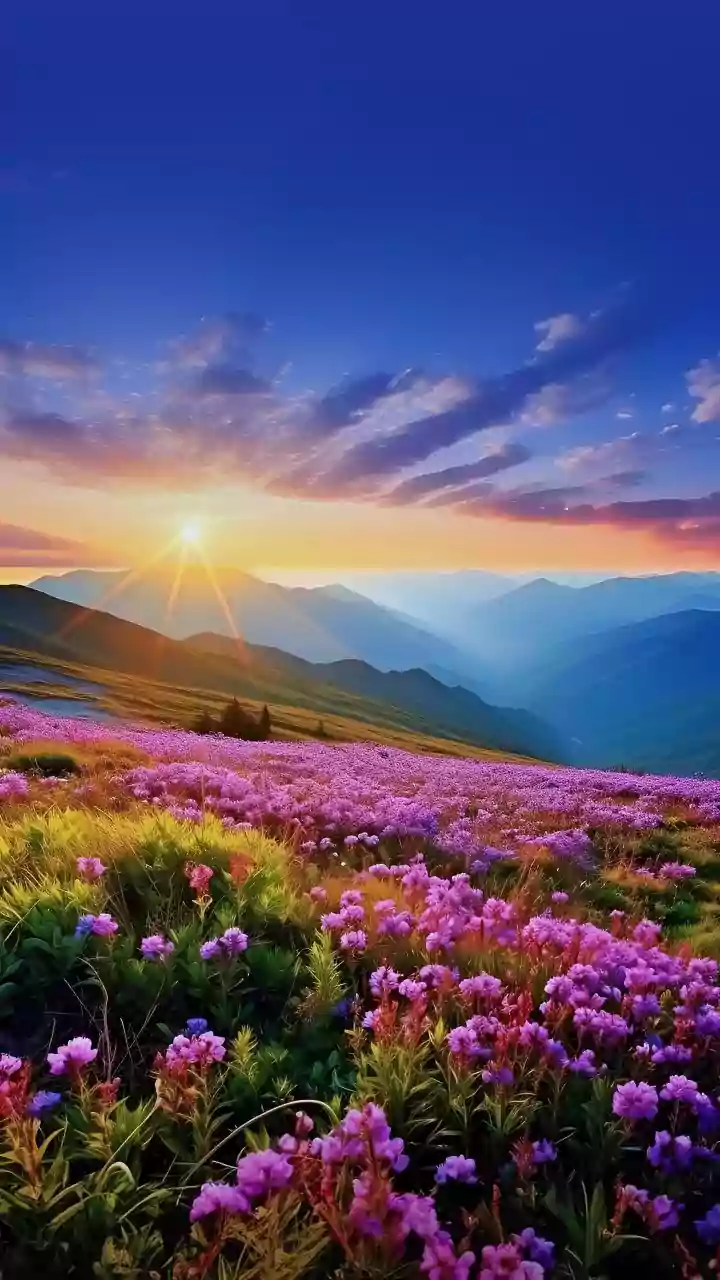
Perhaps the most literal example of this trend is the annual blooming at Kaas Plateau in Maharashtra. For a few short weeks between August and October, this volcanic plateau, also known as Maharashtra's 'Valley of Flowers', becomes a carpet of over 850 species of wildflowers. The bloom is a direct result of the monsoon rains, and the colours of the plateau can change every week as different species blossom, creating a transient, evolving masterpiece. This natural spectacle, with its fields of pink, purple, and yellow, has become a pilgrimage for photographers and nature lovers who come to witness a phenomenon that is both grand in scale and delicate in detail.
The Photographer's Muse
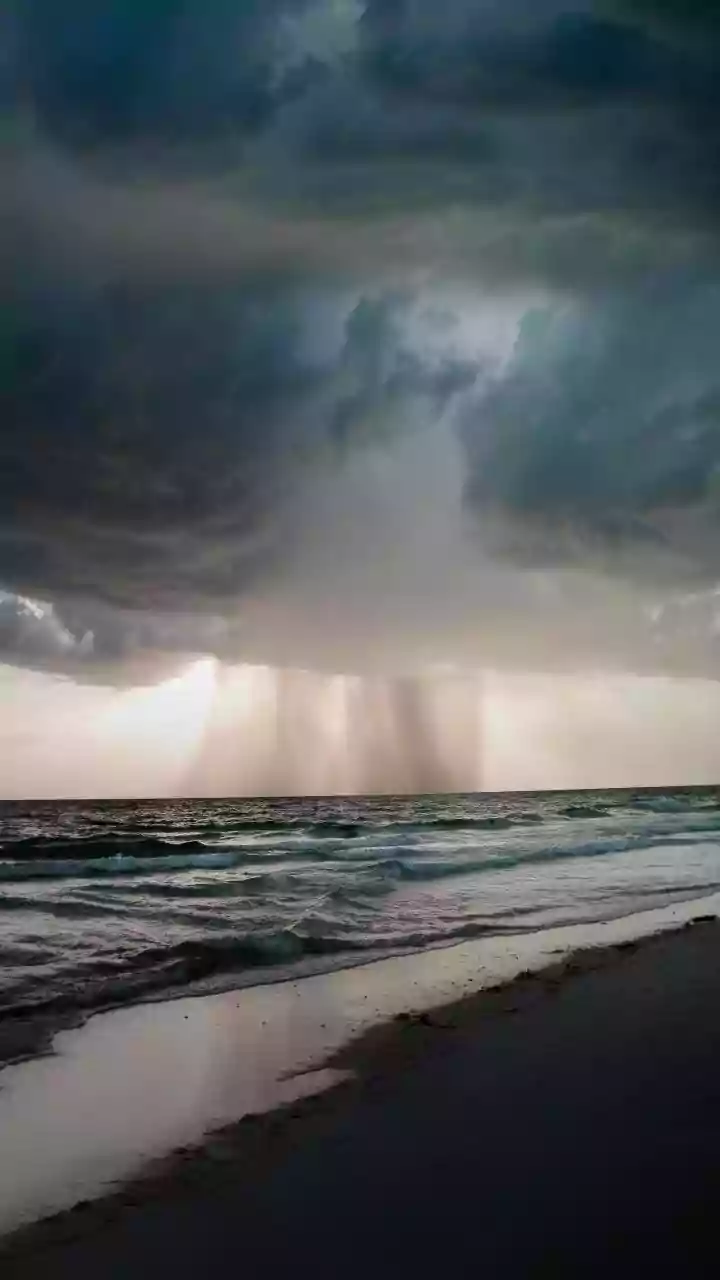
This artistic appreciation for the monsoon is heavily fuelled by photography. The soft, diffused light, misty atmosphere, and saturated colours of the rainy season create a moody, evocative aesthetic that is highly prized. Destinations known for their monsoon beauty, like Lonavala in Maharashtra or Shillong in Meghalaya, are now hotspots for photographers seeking to capture dramatic landscapes. The trend is also moving beyond just landscapes. Specialised photography tours now focus on the macro world that awakens during the rains, from rare frogs and reptiles in the rainforests of Agumbe to the firefly mating rituals that illuminate forests in parts of the Sahyadris. These tours help travellers see the intricate, artistic details of the ecosystem.
Embracing the Art of Monsoon Travel
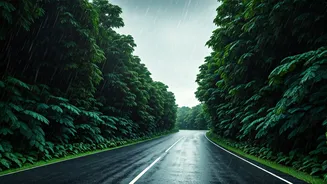
Participating in this trend is simpler than it sounds. It begins with choosing the right destination. For lush greenery and waterfalls, the hill stations of the Western Ghats are ideal. For a unique cultural experience, Goa offers a quieter, greener version of itself, with festivals like Sao Joao celebrating the arrival of the rains. For a true spectacle, plan a trip to see the flowers at Kaas Plateau. The key is to be prepared. Pack waterproof gear, expect a slower pace, and be open to the unexpected beauty that a rain-swept landscape can offer. Recent data shows a significant increase in searches for such destinations, proving that more Indians are choosing their monsoon getaways based on the unique experiences they offer, from wellness and spirituality in Rishikesh to the cool mountain air of Mussoorie.