


What Laxman Actually Revealed
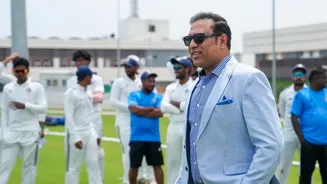
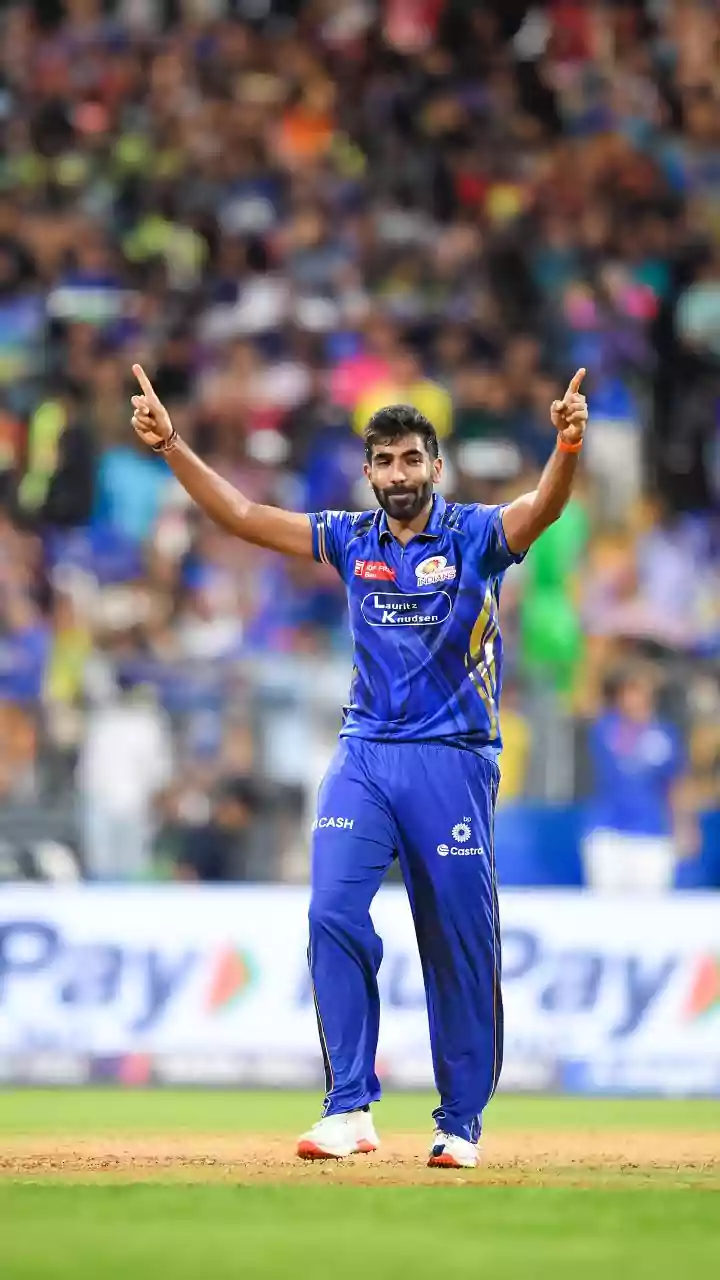
Contrary to a dramatic 'revelation,' VVS Laxman’s recent comments were more of a firm clarification and a defense of the BCCI's Centre of Excellence (CoE), which he heads. Amid growing concerns over a long list of injured players, including Jasprit Bumrah
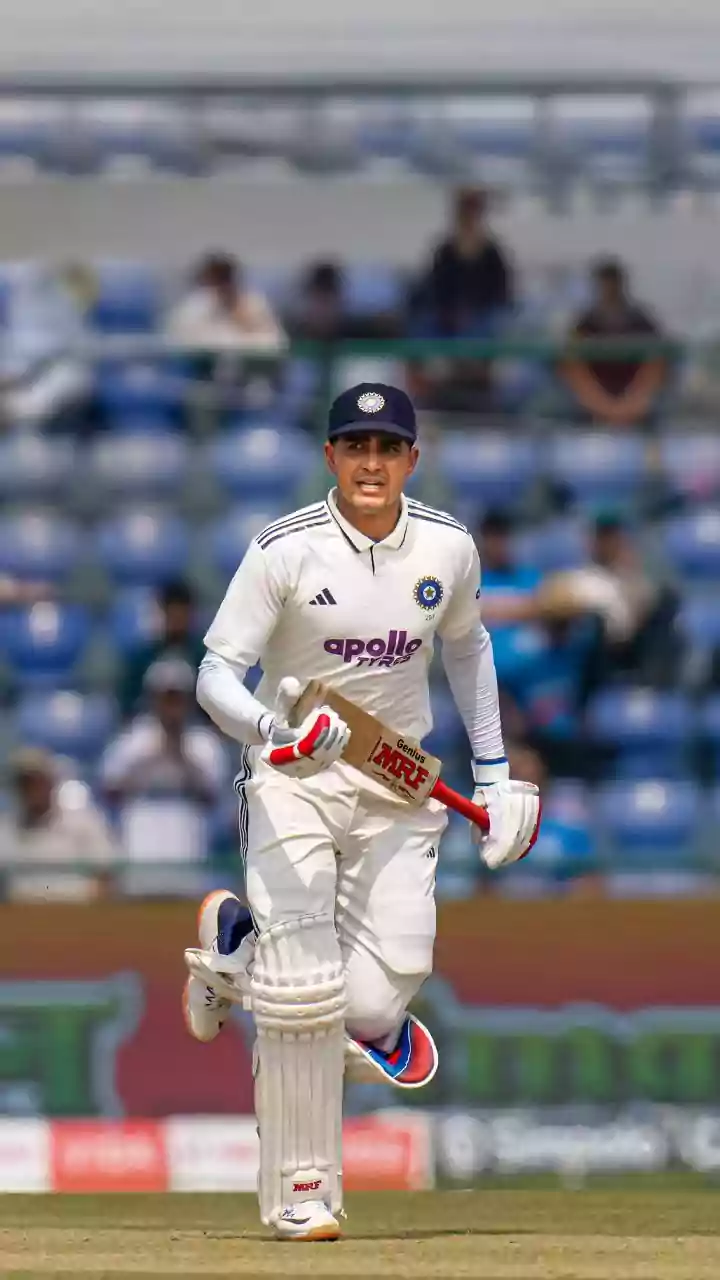
and Sai Sudharsan, Laxman addressed the media to explain the CoE's role. He emphasized that the CoE is not merely a rehabilitation center but a high-performance hub that continuously monitors around 150 male and female cricketers throughout the year. He detailed a transparent, data-driven process where the CoE provides detailed fitness reports to selectors before any player is chosen, especially those returning from injury. The 'shock' was less in the content and more in the context: a public defense was needed at all, highlighting the intense scrutiny and pressure on the system.
The Core of the Conflict: Club vs. Country
The fundamental issue is the classic 'club vs. country' debate, intensified by the IPL's immense financial stakes. The BCCI, through the NCA, is responsible for the long-term fitness and availability of players for national duty. However, during the two-month IPL window, these players are under contract with franchises that have invested crores in them. Franchise officials have previously expressed that the BCCI cannot simply dictate terms and rest a healthy player, as they have a contract to honour. This creates a natural point of friction. The board wants to manage workloads to prevent burnout before major international tournaments, while franchises want their star players on the field to win matches and provide value for their investment. This tension has existed for years, with franchises reportedly hesitant to share confidential player data with the NCA.
The NCA's Mandate Under Laxman
Under VVS Laxman, the NCA, now called the Centre of Excellence, aims to be the central authority on player fitness and performance. Laxman stressed that there is a brilliant coordination between the CoE, team management, and the selection committee. The process involves rigorous, data-driven benchmarks that players must meet before returning. This includes completing 'Return To Play' matches to prove their readiness. Laxman also pushed back against reports of players using personal trainers at the facility, stating that all activity is documented on an Athlete Management System (AMS) with GPS tracking. His defense paints a picture of a highly structured system designed to protect players, but it also underscores the challenges in enforcing these standards across the board, especially when players are not under the BCCI's direct supervision.
The Franchises' Point of View
IPL franchises operate as high-stakes businesses. They invest significant capital in player auctions and brand building, and their success is directly tied to on-field performance. From their perspective, once a player is contracted and fit, he is their asset for the duration of the tournament. Franchises employ their own world-class physios and strength-and-conditioning coaches. They argue that if the BCCI expects full data transparency during the IPL, franchises should also be privy to player data for the other ten months of the year, given their multi-year investments. Furthermore, some have raised concerns about the practicality of daily data uploads to the BCCI's systems, viewing it as a laborious process that adds to their staff's workload. The core of their argument is that they are partners in a player's career, not just temporary custodians.
A System Under Stress
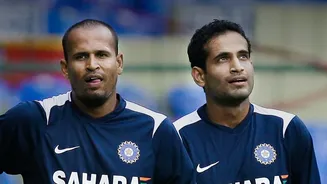
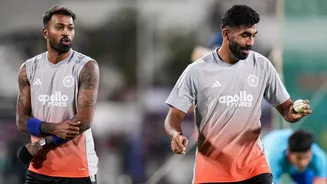
This is not a new problem. Player injuries post-IPL have been a recurring theme, often derailing India's international campaigns. The current injury list, which has included key players like Jasprit Bumrah, Hardik Pandya, and others, has brought the issue to a boil. In response, the BCCI has recently moved to tighten fitness protocols, reintroducing the Bronco Test and a mandatory 2km run with stricter time limits. Reports suggested these changes were made after concerns that fitness evaluations were becoming inconsistent, with some senior players allegedly given easier targets to clear. The constant injuries and the subsequent rule changes highlight a system under immense stress, trying to balance the demands of a relentless cricket calendar with the physical limitations of its athletes.