


The Zero-Waste Powerhouse
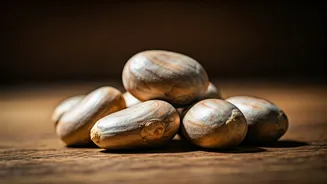
When you tackle a whole jackfruit, you’re often left with a pile of large, pale seeds—sometimes hundreds of them. For many, these end up in the compost or the bin. However, in many parts of South and Southeast Asia, these seeds are a treasured ingredient.
Far from being waste, they are a food source in their own right, celebrated for their versatility and nutritional punch. By saving them, you're not just getting a free ingredient; you're participating in a more sustainable, nose-to-tail approach to fruit consumption. A single fruit can contain anywhere from 100 to 500 edible seeds.
Packed with Surprising Nutrition
Jackfruit seeds are more than just filler; they are dense with nutrients. They are an excellent source of protein, carbohydrates, and dietary fiber. They also contain important minerals like potassium, magnesium, and iron, as well as B vitamins such as thiamine and riboflavin, which help your body convert food into energy. The fiber and resistant starch found in the seeds can aid digestion and promote a healthy gut microbiome by feeding beneficial bacteria. Studies have also highlighted their antioxidant content, which may help combat inflammation.
The Crucial Rule: Always Cook Them
This is the most important step: you must never eat jackfruit seeds raw. Raw seeds contain compounds called antinutrients, specifically tannins and trypsin inhibitors, which can interfere with your body's ability to absorb essential minerals and digest protein. The good news is that heat completely deactivates these compounds, making the seeds safe and nutritious to eat. So, whether you choose to boil, roast, or bake them, cooking is a non-negotiable first step before they can be enjoyed.
How to Prepare Your Seeds
Preparing jackfruit seeds is simple. The two most popular methods are boiling and roasting. To boil: Place the clean seeds in a pot, cover them with water, and bring to a boil. Let them simmer for 20-30 minutes, or until they are tender enough to be easily pierced with a fork. Once cooked, drain the water and let them cool. To roast: Preheat your oven to 200°C (400°F). Spread the seeds on a baking sheet and roast for about 20 minutes, or until they are browned and toasted. After cooking, the thin, papery white outer skin can be peeled off. The translucent brown layer underneath is edible, though some people prefer to remove it for a smoother texture.
A Unique Flavour and Texture
Once cooked, jackfruit seeds have a mild, pleasant flavour and a starchy, firm texture. Many people compare them to chestnuts, Brazil nuts, or potatoes. Their neutral taste makes them incredibly versatile, as they readily absorb the flavours of spices and sauces they are cooked with. Eaten on their own after roasting, they become a satisfying, nutty snack. When added to other dishes, they provide a hearty, substantial element similar to a starchy vegetable.
Simple Ways to Use Jackfruit Seeds
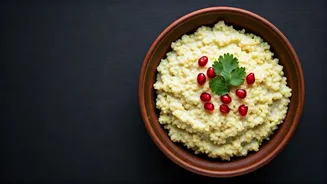
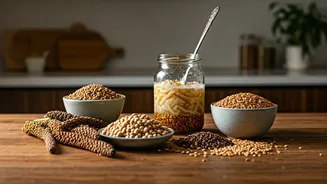
Once your seeds are cooked and peeled, the culinary possibilities are vast. You can treat them much like you would potatoes or chestnuts. Simple Snack: Toss roasted or boiled seeds with a little salt, pepper, and garlic powder for an easy, satisfying snack. Hearty Curries and Stews: Add boiled seeds to your favourite vegetable or lentil curry for extra bulk and protein. They absorb the flavours beautifully and add a wonderful texture. Creative Hummus: Swap out chickpeas for boiled jackfruit seeds to make a creamy, unique hummus. Blend them with tahini, lemon juice, garlic, and olive oil for a delicious dip. Ground into Flour: For the more adventurous cook, dried seeds can be ground into a gluten-free flour, which can be used as a thickener in soups or incorporated into baked goods.