





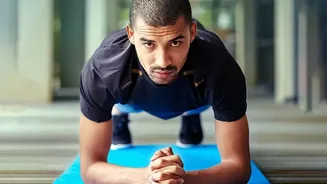

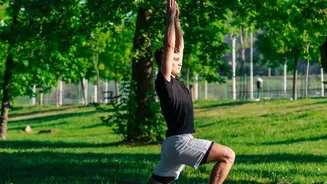
Starting an exercise routine is exciting, but the fear of joint pain can hold many back. The good news is that gentle, low-impact movement is the key to building strength safely. But the workout itself is only half the story.
Embracing Low-Impact Movement
For beginners or anyone with
joint sensitivity, the idea of high-impact activities like running can be daunting. This is where joint-friendly exercise shines. These low-impact activities minimise the stress and jarring force on your joints, particularly the knees, hips, and ankles. Instead of pounding movements, they focus on smooth, controlled motions that build strength, improve flexibility, and boost cardiovascular health without causing pain. Strengthening the muscles around your joints provides better support, which can reduce pain and improve overall function, making everyday activities easier.
Your Go-To Gentle Exercises
Starting a new routine is easier when you have great options. Swimming and water aerobics are top-tier choices, as the water's buoyancy supports your body weight, removing almost all impact from your joints. Stationary cycling is another excellent low-impact option that builds leg strength and endurance. Walking is perhaps the most accessible exercise; start on flat surfaces with supportive shoes to protect your joints. Practices like gentle Yoga and Tai Chi are also highly recommended. They combine slow, deliberate movements with breath control to enhance flexibility, balance, and strength, all while being kind to your body.
The Unsung Hero: Why Rest Is Essential
It may seem counterintuitive, but you don't get stronger during your workout. You get stronger while you rest. Every time you exercise, you create microscopic tears in your muscle fibres. This is a normal and necessary part of the process. It's the signal that tells your body it needs to rebuild and adapt. However, this repair can only happen when you give your body a break. Without adequate rest, you are simply breaking down muscle tissue without giving it the chance to heal, which increases your risk of injury and burnout.
The Science of Recovery
During rest, your body gets to work on a remarkable process. It triggers what is known as muscle protein synthesis, where cells repair the tiny tears in your muscles, making them stronger and more resilient than before. Your body also uses this time to replenish its energy stores, specifically glycogen, which is the fuel your muscles use during exercise. Quality sleep is one of the most powerful recovery tools, as it's when your body releases growth hormone, which is crucial for muscle repair. Proper nutrition, especially protein and carbohydrates after a workout, provides the raw materials needed for this rebuilding process.
Listening to Your Body's Signals
So, how do you know when you need to rest? Your body will tell you. Persistent fatigue that doesn't go away with a good night's sleep is a major sign. Other indicators of overtraining include lingering muscle soreness that lasts more than a couple of days, a decline in your workout performance, mood changes like irritability, and even getting sick more often. For beginners, a good rule of thumb is to take a rest day between workout sessions. Rest days don't have to mean sitting on the couch; 'active recovery' like a gentle walk or stretching can help reduce stiffness and improve circulation without stressing the body.