






Toy Story: Friendship, Fear, and Growing Up
On the surface, Toy Story is a simple adventure about lost toys trying to get home. But its genius lies in a storyline that speaks directly to different life stages. For kids, it’s a thrilling journey with talking toys, a bumbling space ranger, and a mean
neighbour. For adults, it's a surprisingly deep story about friendship, identity, and the anxiety of being replaced. The central conflict between Woody and Buzz isn't just a rivalry; it's a tale of jealousy and learning to accept change. Woody's fear of obsolescence is something every adult understands, while kids connect with the simple emotions of wanting to be a favourite. The film’s narrative is a masterclass in weaving complex themes into an accessible plot, creating an experience where a parent and child can watch the exact same scene and be captivated for entirely different reasons.
The Lion King: A Timeless Tale of Responsibility
The Lion King elevates the family movie beyond a simple cartoon by tackling grand, universal themes. It is a story about legacy, loss, and finding your place in the 'Circle of Life'. For children, the appeal is in the clear-cut battle between the heroic Mufasa and the villainous Scar, the funny sidekicks Timon and Pumbaa, and Simba’s journey from cub to king. But for adults, the story offers a sophisticated look at family dynamics, betrayal, and the weight of responsibility. Simba’s reluctance to return to Pride Rock isn't just about fear; it's about confronting past trauma and accepting his duties—a core struggle of adulthood. This layering of coming-of-age drama with adventure makes it an enduring classic that offers new meaning with every rewatch.
Shrek: Satire, Sincerity, and Jokes for Everyone
Shrek tore up the fairytale rulebook in 2001, and its storyline remains a perfect pick for families because it was one of the first animated films designed to entertain adults as much as children. The plot is packed with visual gags and silly situations for the younger audience, like Donkey's non-stop chatter and the Gingerbread Man's interrogation. Simultaneously, it’s loaded with clever satire and pop culture references that fly right over kids' heads and land squarely with parents. The film playfully mocks classic Disney tropes, but its story also has a genuine, sincere heart. The core message—that true beauty is on the inside and that you shouldn't judge an ogre by his cover—is a valuable lesson presented without feeling preachy. This dual-level humour ensures no one feels left out.
Finding Nemo: A Story Told From Two Perspectives
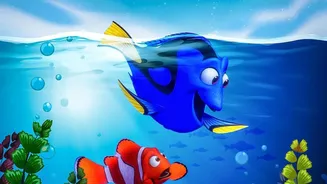
The narrative brilliance of Finding Nemo is in its parallel structure. The film simultaneously follows two distinct journeys, each with its own emotional stakes. We see Marlin, the overprotective father, confronting the vast, dangerous ocean to find his son. His story is one of overcoming fear and learning to trust. At the same time, we follow Nemo's journey in a dentist's office aquarium, where he must learn to be brave and resourceful on his own. This split narrative keeps the pace dynamic and engaging for all ages. Kids are hooked by the colourful sea creatures and Nemo’s escape plan, while adults connect deeply with Marlin's parental anxiety and the universal theme of letting go. By telling both sides of the story, the film creates a complete emotional arc that resonates with the fears and hopes of both parents and children.