

Why Trains are a Backpacker’s Best Friend
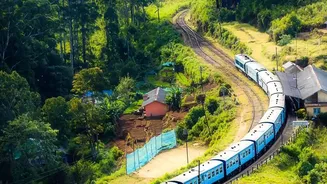
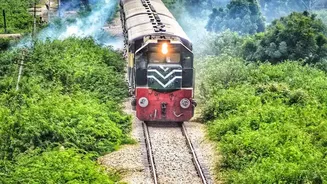
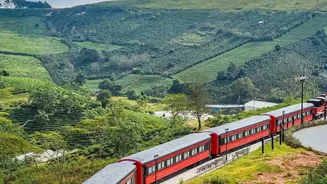
Sri Lanka’s trains are more than just a mode of transport; they are a core part of the travel experience. For a fraction of the cost of a private car, you get front-row seats to some of the world's most breathtaking scenery. A journey from Kandy to Ella,
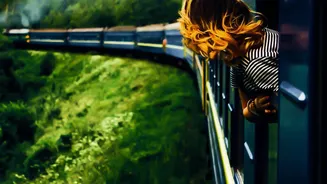
for instance, can cost as little as ₹300-600 for a seven-hour ride through emerald tea plantations and misty mountains. In contrast, a taxi for the same route can set you back over ₹5,000. For Indian travellers, the bustling carriages, vendors selling 'short eats', and friendly local commuters can feel both familiar and exciting, offering an authentic slice of Sri Lankan life that you simply cannot get from a sealed, air-conditioned car.
The Unmissable Scenic Routes
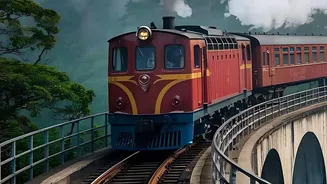
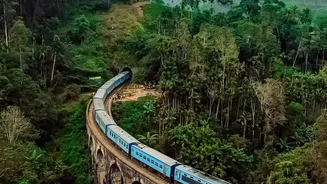
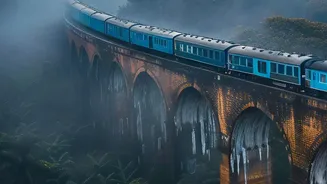
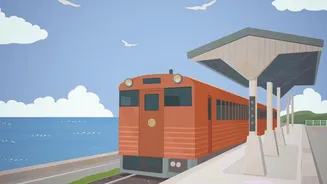
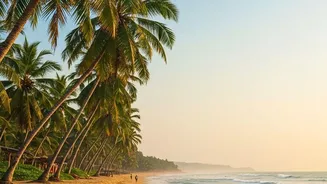
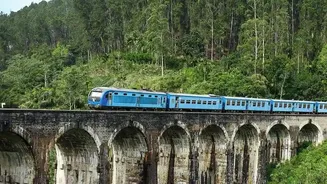
While many lines offer beautiful views, two routes stand out. The Kandy to Ella train ride is legendary and consistently ranked among the world's most scenic journeys. This 6-7 hour trip winds through the heart of Hill Country, passing lush tea estates, charming villages, and iconic sights like the Nine Arch Bridge near Ella. For the best daylight views and photo opportunities, try to book a morning train. The other must-do is the coastal line from Colombo to Galle. This journey offers spectacular views of the Indian Ocean, with the tracks running just metres from the shoreline for large stretches. It’s a quicker ride, usually around 2.5 hours, making it an easy and rewarding trip.
Decoding the Classes: Comfort vs. Cost
Sri Lankan trains typically offer three classes, and choosing the right one is key to managing your budget. First Class provides air-conditioning and reserved seats, but the windows are often sealed, which can detract from the experience. Third Class is the most basic and cheapest option, with wooden benches and no reservations, making it crowded but incredibly authentic. For most backpackers, Second Class hits the sweet spot. It offers cushioned seats, fans, and windows that open for those iconic photo opportunities. It's crucial to distinguish between 'reserved' and 'unreserved' second-class tickets. A reserved seat guarantees you a spot, while an unreserved ticket means you might have to stand, especially on popular routes.
Mastering the Art of Booking
For popular routes like Kandy to Ella, booking in advance is essential, as reserved seats can sell out weeks ahead, especially during peak season. You can book up to 30 days in advance. The official Sri Lanka Railways website (seatreservation.railway.gov.lk) is the primary portal for online booking. Be prepared for a system that can sometimes feel a bit dated but is functional. Alternatively, reliable third-party sites like 12Go Asia can book tickets for a small fee. If you're flexible or taking a less-travelled route, you can buy unreserved tickets at the station just before your journey. A clever trick is to travel in the opposite direction of most tourists; for example, the Ella to Kandy route is often less crowded than Kandy to Ella.
More Tips for the Savvy Indian Traveller
Your savings don't have to stop with the train ticket. Pack your own water and snacks for the journey, though trying the spicy peanuts and 'vada' from onboard vendors is a must-have experience. For accommodation, look for guesthouses or homestays near train stations to save on tuk-tuk fares. Remember that for Indian passport holders, Sri Lanka often offers a visa-free entry or a simple Electronic Travel Authorization (ETA) process, making it an even more accessible destination. Always check the latest visa requirements before you travel. By embracing public transport and local experiences, your money goes much further, allowing for a richer and more memorable adventure.