




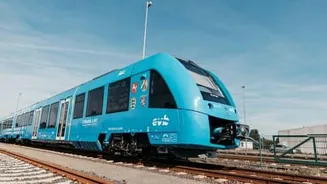


The Milestone: India's First Hydrogen Train
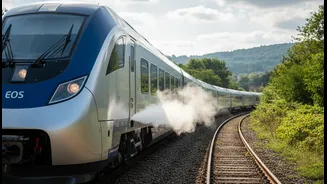
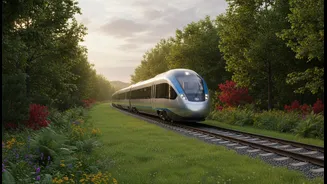
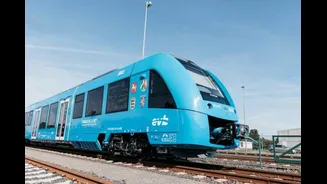
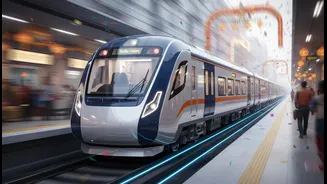
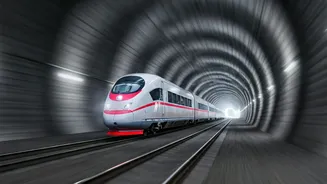
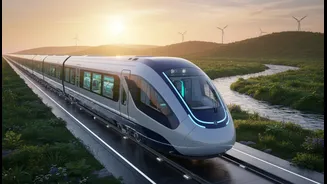
The big news is the impending launch of India's first hydrogen-powered train. Set to be flagged off on July 17, 2026, this train marks a monumental step in the nation's journey towards clean and sustainable mobility. The pilot service will run on the Jind-Sonipat
route in Haryana. This launch is more than just a new train on the tracks; it's a powerful statement of intent, aligning with the 'Make in India' initiative and propelling the country into a select group of nations, including Germany and Japan, that are actively developing hydrogen rail technology.
How It Works: The Science of Clean Power
So, how does a hydrogen train run without pollution? The magic lies in hydrogen fuel cell technology. Instead of a diesel engine, the train uses a propulsion system where hydrogen reacts with oxygen inside a fuel cell to generate electricity. This electricity then powers the train's motors. The only by-products of this chemical reaction are heat and water vapour, meaning there are no harmful carbon emissions or smoke. The new 10-coach train, designed by the Research Design and Standards Organisation (RDSO) and built at the Integral Coach Factory (ICF) in Chennai, is equipped with a powerful 2,400 kW system and can travel about 250 kilometres on a single refuelling.
The Bigger Picture: Net Zero by 2030
This hydrogen train is a flagship project in Indian Railways' ambitious mission to become a 'Net Zero Carbon Emitter' by 2030. This is a massive undertaking for the world's fourth-largest rail network. To achieve this goal, the Railways has been aggressively pursuing a multi-pronged strategy. This includes the rapid electrification of its broad-gauge network, with nearly all of it already electrified, a significant jump from a decade ago. Furthermore, Indian Railways is heavily investing in renewable energy, installing hundreds of megawatts of solar and wind power capacity to green its energy supply. The hydrogen train initiative, particularly the 'Hydrogen for Heritage' plan to run 35 such trains on scenic routes, is a key part of this decarbonisation strategy.
What It Means for Passengers
For passengers on the Jind-Sonipat line, this new train promises a faster, cleaner, and quieter journey. The hydrogen train is expected to cover the nearly 90-kilometre route in about an hour, a significant improvement over the two hours taken by the current diesel service. With a total capacity of 2,600 passengers and 682 seats, it offers a high-capacity solution for daily commuters. The fares have been kept highly affordable, making it a cost-effective and environmentally friendly travel option. The successful implementation of this pilot project could pave the way for the technology to be rolled out on other routes, reducing India's dependence on diesel and improving air quality.
The Road Ahead and Its Challenges
While the launch is a significant victory, the journey ahead involves scaling the technology. After extensive trials at speeds up to 120 kmph, the train is cleared for an operational speed of 75 kmph. The successful commercial run on the Jind-Sonipat section will be crucial. The cost of producing green hydrogen and setting up the necessary refuelling infrastructure across the vast rail network are considerable hurdles. However, experts believe that as more hydrogen-powered trains are introduced, the costs will gradually decrease. This pilot project is designed to provide invaluable data and operational experience to guide the future expansion of zero-emission rail travel across India.