





Understanding the Chaos
Heavy rain impacts travel in more ways than just getting you wet. For road travellers, the primary dangers are waterlogging, which can stall vehicles and hide dangerous potholes, and reduced visibility. Slippery road surfaces significantly increase braking
distances, making accidents more likely. For rail networks, tracks can become submerged or damaged by landslides, as seen in recent disruptions on major routes like the Mumbai-Pune corridor. In aviation, heavy rain and strong winds hamper visibility and aircraft movement, leading to delayed departures, and in severe cases, flight diversions or cancellations. These factors cascade, creating a ripple effect of delays across the country.
Your Pre-Travel Checklist
Before you even step out of the door, a few simple checks can save you a world of trouble. First, check the latest weather forecasts from a reliable source like the India Meteorological Department (IMD) for your specific route and destination. Don't rely on general state-level updates; look for district-level warnings. Next, use real-time traffic apps and check the websites or social media accounts of your airline or Indian Railways for status updates. Fully charge your phone and a power bank. If driving, ensure your car's essentials—wipers, tyres, and brakes—are in top condition. It’s also wise to pack an umbrella, a waterproof bag for your documents, and some snacks and water in case of long waits.
Tips for Navigating the Roads
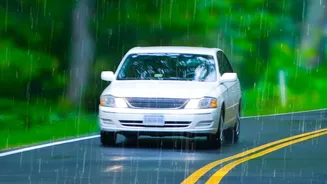
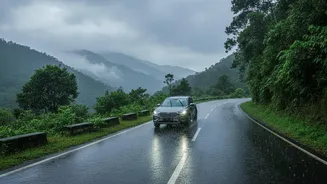
If you must drive, your new mantra should be 'slow and steady'. Reduce your speed significantly to give yourself more time to react and to avoid aquaplaning on waterlogged patches. Maintain at least double the usual following distance from the vehicle in front of you. Using your low-beam headlights, even during the day, is crucial for improving visibility for both yourself and other drivers. Avoid driving through large puddles or flooded streets, as you can't be sure of the water's depth or what debris might be hidden underneath. If your car stalls in water, do not try to restart the engine, as this can cause severe and permanent damage.
For Train and Air Travellers
For those relying on public transport, staying informed is key. Airlines and railway authorities frequently post updates on social media and their official websites regarding delays and cancellations. If your flight is cancelled due to weather, you are generally entitled to a full refund or a seat on an alternative flight. While monetary compensation isn't usually provided for weather-related events, airlines are often required to provide meals and refreshments during prolonged delays, and even accommodation for overnight disruptions. If your train is cancelled or significantly diverted, check with railway authorities about refund procedures. Always have your booking details handy and be prepared for last-minute platform or gate changes.
When to Postpone Your Trip
Ultimately, safety is the most important consideration. Authorities often advise residents in the worst-affected areas to avoid unnecessary travel altogether. The IMD has issued alerts for extremely heavy rainfall in states like Assam, Meghalaya, West Bengal, Kerala, and Karnataka, raising the risk of landslides and flash floods. If your travel plans involve hilly or remote areas, the danger is significantly higher. A journey delayed is always better than one that ends in a risky situation. If you are on the road and visibility drops to a dangerous level, find a safe place to pull over—well off the road—and wait for conditions to improve.