







From Basecamp to Main Attraction
The traditional travel script is being rewritten. For decades, the accommodation was a functional necessity—a basecamp from which to explore a destination. Today, a significant shift is underway where the stay itself is the star of the show. According
to the 'How India Travels 2026' report by Booking.com and VIDEC Consultants, Indian travellers are increasingly choosing alternative accommodations like villas, apartments, and homestays, not just for a bed, but for the experience they offer. This trend, dubbed 'stay-led travel', sees travellers prioritising properties that provide more than just comfort; they seek places that are destinations in their own right. In fact, a staggering 87% of travellers believe these alternative stays help create more meaningful memories.
The Search for Authentic Experiences
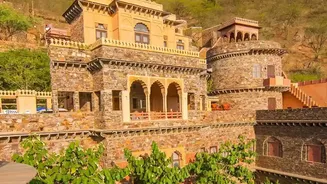
So, what's driving this change? A deep-seated desire for authenticity. Modern Indian travellers are moving beyond cookie-cutter hotel rooms and crowded tourist spots. They crave genuine connections with local culture, food, and people. The report found that 85% of travellers choose alternative stays specifically for the authentic local experiences they provide. This could mean waking up in a heritage haveli in Rajasthan, enjoying home-cooked meals at a farm stay in Punjab, or learning about local traditions from a homestay owner in the Northeast. These properties are no longer just four walls and a roof; they are gateways to immersive cultural experiences that a standard hotel often cannot replicate.
More Space, More Togetherness
Another powerful driver is simple practicality, especially for families and groups. The days of booking multiple, disconnected hotel rooms for a family vacation are numbered. The 'How India Travels' report notes that villas and large apartments are overwhelmingly booked by groups, with about four out of five such transactions made for families or friends travelling together. These stays offer shared living rooms, kitchens, and private spaces that allow for quality time and shared activities, from late-night chats to cooking meals together. For multi-generational families living in different cities, a large villa becomes the perfect reunion spot, offering a blend of privacy and togetherness that hotels are not structurally designed for.
The 'Bleisure' and Business Traveller
It’s not just leisure travellers driving this trend. The corporate world is also looking beyond conventional hotels. 'Bleisure'—the blending of business and leisure—is on the rise, and so is the appeal of alternative stays for work trips. Business travellers accounted for 19% of bookings in alternative accommodations in FY26, a figure projected to hit 21% by FY27. Professionals cite having more living space, a separate workspace, and the ability to accommodate family as key reasons for choosing apartments or aparthotels. For a few days of work in another city, having a kitchen and a living room offers a level of comfort and flexibility that is changing the face of business travel.
A Growing Market with New Destinations
This shift is not just changing traveller behaviour; it's reshaping India's tourism map. The demand for unique stays is fuelling growth in Tier-2 cities and emerging leisure destinations. While metros and classic holiday spots still dominate, listings for alternative accommodations have more than doubled in cities like Ghaziabad, Indore, and Ayodhya between June 2025 and June 2026. This expansion brings new destinations into focus and provides capacity where traditional hotel supply is lacking. With the alternative accommodation market in India projected to reach a gross booking value of ₹415 billion by FY29, it's clear this is no longer a niche segment but a central pillar of the country's travel economy.