





From Heirloom to High Fashion
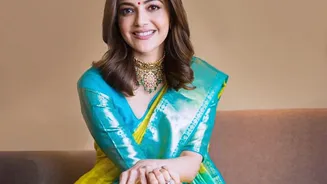
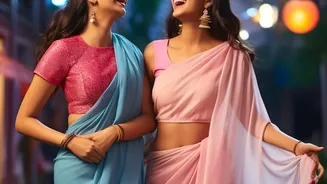
The long-standing practice of repurposing old clothes, once a quiet act of frugality, is now a celebrated fashion statement. Young Indians are looking at their mothers' and grandmothers' closets not as archives, but as a treasure trove of high-quality,
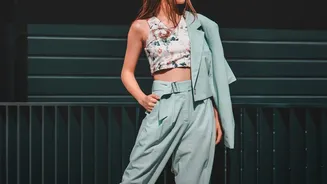
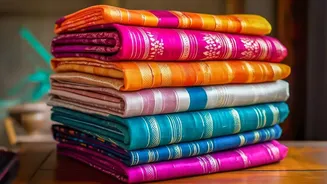
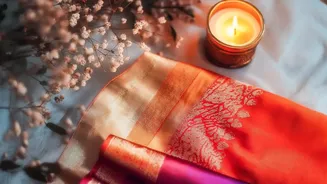
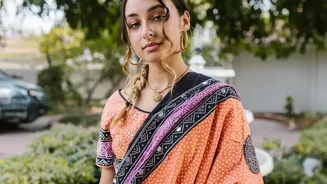
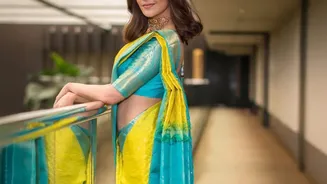
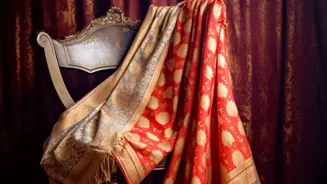
unique textiles. The idea is simple yet revolutionary: take a vintage silk saree, with its irreplaceable hand-woven zari and naturally aged dyes, and transform it into a contemporary silhouette. The co-ord set—a matching two-piece outfit, like a crop top with trousers or a jacket with a skirt—has become the perfect canvas for this transformation. It deconstructs the traditional six yards into versatile, wearable pieces that fit a modern lifestyle, blending sentimental value with street-style chic.
A Stitch in Time for Sustainability
This trend is powered by a growing eco-consciousness, especially among Gen Z. The fashion industry is one of the world's largest polluters, responsible for 10% of humanity's carbon emissions and immense textile waste. Upcycling offers a powerful, personal antidote. By giving a new life to an existing garment, it drastically reduces the need for new production, saving critical resources like water—it takes around 2,700 litres to make a single new cotton t-shirt. This movement champions 'slow fashion', moving away from the wear-once culture of fast fashion. It’s a conscious choice to value what we already have, reducing our carbon footprint and making a style statement that is both ethical and unique.
The Modern Makeover
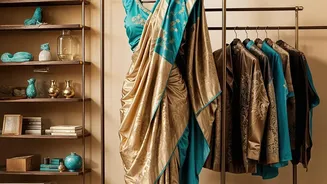
So how does a classic Kanjeevaram or Banarasi become a modern co-ord set? The process is a blend of creativity and careful craftsmanship. Heavier silks are ideal for structured pieces like pantsuits, jackets, and corsets. Lighter georgettes and crepes are perfect for more fluid styles like sharara sets or flowing kaftans. Young women are working with local tailors and boutique designers who specialize in upcycling to create custom pieces. The pallu, often the most ornate part of the saree, might become the front of a jacket, while the body is used for matching wide-leg pants. The result is a one-of-a-kind outfit that's impossible to find in a fast-fashion store, carrying a story in every thread.
More Than Just a Trend
Wearing an upcycled ancestral saree is about more than just sustainability; it's an act of cultural storytelling. For many young Indians, it’s a way to connect with their heritage on their own terms. It bridges the generation gap, turning a garment that might have felt formal or outdated into something that expresses personal identity. An outfit made from a mother's wedding saree carries her memories and strength, woven into a form that fits the daughter's life today. This tangible connection to family history, combined with the individuality of a custom-made outfit, makes each piece deeply personal and meaningful. It’s a quiet revolt against mass production, championing craftsmanship and personal narrative.