




In India, rice is more than just a staple; it's the heart of countless meals. A culinary journey through the country reveals how this humble grain is transformed into spectacular dishes, each reflecting the unique flavours of its region.
Bisi Bele Bath from Karnataka
Meaning 'hot lentil
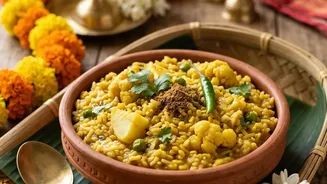
rice' in Kannada, Bisi Bele Bath is a soulful one-pot meal that perfectly embodies the complexity of Karnataka's cuisine. It’s a rich medley of rice, toor dal (pigeon peas), assorted vegetables, tamarind, and a special spice blend known as Bisi Bele Bath powder. Tracing its origins to the royal kitchens of the Mysore Palace, this dish is a harmonious blend of tangy, spicy, and savoury notes. The final flourish is a tempering of ghee, mustard seeds, and curry leaves, which elevates it from a simple dish to a feast. Mastering this recipe means understanding the art of balancing numerous ingredients to create a single, cohesive flavour profile.
Hyderabadi Biryani from Telangana
Perhaps one of India's most famous culinary exports, Hyderabadi Biryani is a testament to the royal legacy of the Nizams. It’s a dish born from a blend of Mughlai and local culinary traditions. The magic lies in the 'dum pukht' method, where marinated raw meat is layered with partially cooked Basmati rice, saffron-infused milk, and fried onions. The pot is sealed and slow-cooked, allowing the meat to become tender and the rice to absorb all the aromatic essences of the spices. To master this dish is to master the technique of patience and precision, ensuring each grain of rice is separate yet full of flavour.
Pulihora from South India
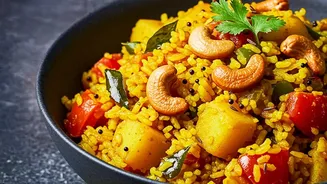
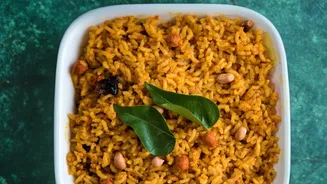
Pulihora, also known as Puliyodarai or Tamarind Rice, is a staple in the southern states of Andhra Pradesh, Tamil Nadu, and Karnataka. Its signature tangy taste comes from a flavourful paste made of tamarind pulp cooked with spices. This is then mixed into cooked rice along with a tempering of mustard seeds, lentils, peanuts, and curry leaves, which adds a delightful crunch and aroma. Often served as 'prasadam' (a religious offering) in temples, Pulihora holds cultural significance and is cherished for its perfect balance of sour, spicy, and savoury notes. It's a simple dish that showcases how a few key ingredients can create an explosion of flavour.
Masale Bhat from Maharashtra
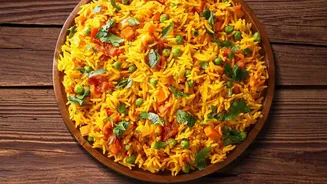
A celebrated dish from Maharashtra, Masale Bhat is a fragrant and spicy rice preparation that is a highlight of festive and wedding menus. Its distinct taste comes from Goda Masala, a unique Maharashtrian spice blend with sweet and pungent notes. The rice is typically a short-grain variety like Ambemohar, which is known for its aroma. It's cooked with an assortment of vegetables like ivy gourd, brinjal, and potatoes, making it a wholesome and flavourful one-pot meal. Garnished with fresh coriander and grated coconut, mastering Masale Bhat is about embracing the bold, aromatic spices of the region.
Kashmiri Pulao from Kashmir
Unlike the fiery dishes from other regions, Kashmiri Pulao is a picture of subtlety and fragrance. This mild, slightly sweet rice dish is cooked in milk and flavoured with whole spices like cinnamon, cloves, and cardamom. Its beauty lies in the generous use of nuts like almonds and cashews, and a mix of fresh and dried fruits such as apples, pomegranate seeds, and raisins. Saffron strands lend the dish a beautiful colour and a delicate aroma. It's a celebration of the rich produce of the Kashmir valley, and mastering it involves understanding how to create a rich yet gentle flavour profile that is both comforting and regal.
Neychoru (Ghee Rice) from Kerala
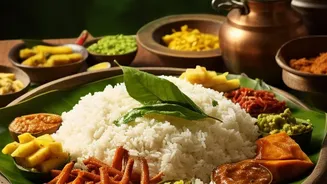
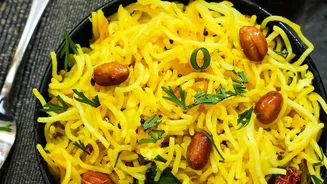
Neychoru, or Ghee Rice, is a simple yet incredibly aromatic dish from the Malabar region of Kerala. The recipe's soul is the use of a short_grain,
fragrant local rice called Kaima or Jeerakasala,
cooked with a generous amount of ghee and whole spices like cinnamon,
cloves,
star anise,
and bay leaf.
The dish is then garnished with cashews,
raisins,
and thinly sliced onions,
all fried to a golden brown in ghee.
While it sounds simple,
the key is in using high_quality ingredients to let the fragrance and richness shine through.
It's a versatile dish that pairs beautifully with a spicy curry,
demonstrating the elegance of minimalist cooking.