






The Social Hub vs. The Private Cocoon
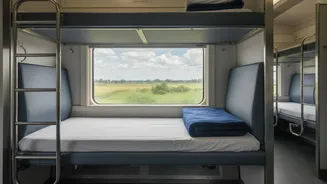
The fundamental difference lies in how you experience the journey. A lower berth is the communal heart of the compartment. During the day, it transforms into a shared seating area for all passengers in the bay, making it a hub for conversations, card
games, and shared meals. This is great for families, groups, or solo travellers looking to socialise. However, this constant activity means privacy is virtually non-existent until the official sleeping time, typically from 10 p.m. to 6 a.m. In contrast, the upper berth is your private escape. Once you climb up, that space is yours for the entire journey, free from the obligation of sharing. You can lie down, read, or sleep at any time without disturbing or being disturbed by others.
Accessibility and Convenience
When it comes to ease of access, the lower berth is the undisputed winner. There’s no climbing involved, making it the ideal and often reserved choice for senior citizens, pregnant women, and passengers with mobility issues. Frequent trips to the washroom or a desire to stretch your legs are hassle-free. Accessing your luggage, which is typically stored under the seat, is also far simpler from a lower berth. For upper berth passengers, every trip down requires navigating the small ladder, which can be particularly tricky in a moving train, especially in the middle of the night.
Sleep Quality and Disturbance
If uninterrupted sleep is your top priority, the upper berth is your best bet. You are elevated above the general commotion of the aisle, including the movement of fellow passengers and the calls of vendors. This isolation often leads to a more peaceful rest. Lower berth passengers, on the other hand, are more exposed to noise and light. The proximity to the aisle means you're more likely to be disturbed by people passing by or the opening and closing of doors at stations. During the day, it's nearly impossible to get uninterrupted rest as the berth is a shared space.
The Coveted Window Seat
For many, the romance of train travel is synonymous with watching the world go by from a window seat. The lower berth offers this quintessential experience. You get a front-row seat to India's diverse landscapes, from bustling cities to serene countryside, all while sipping on railway chai. The upper berth offers no such view. While you might catch a glimpse from a distance, you are largely disconnected from the scenery outside. This is a significant trade-off for those who enjoy the visual aspect of the journey.
Security of Your Belongings
Both berths come with their own security considerations. With a lower berth, your main luggage is stored directly underneath you, which can feel secure. However, smaller items and the bags themselves are more accessible to passersby in the aisle, raising concerns about theft. Many upper berth travellers feel a greater sense of security for their belongings. Bags can be tucked away at the head or foot of the berth, or chained to a nearby handle, making them less accessible to anyone but you. It creates a personal, secure nook away from the main traffic of the coach.
What About Side Berths?
The calculus changes slightly for side berths. The Side Lower gives you a dedicated two-person seating area and a large window, but it's often narrower and right next to the busy aisle. The Side Upper offers excellent privacy, often preferred by solo travellers, but it can feel more cramped than the main upper berths. In many AC coaches, curtains provide extra privacy for side berth passengers, a feature often missing for the main bay berths except in higher classes like 2A.