





Mistake 1: Assuming More is Better
The most frequent error in feeding any diet, premium or not, is simply giving too much. Pet obesity is a major health crisis, contributing to diabetes, heart disease, arthritis, and a shorter lifespan. Premium foods are often more calorie-dense, meaning
smaller portions are required. Many owners don't use a measuring cup and 'guesstimate' portions, which almost always leads to overfeeding. Even a few extra pieces of kibble each day can add up to significant weight gain over time. The feeding guides on the bag are a starting point, but your pet's true needs depend on their age, breed, and activity level.
Mistake 2: Falling for Marketing Buzzwords
Labels that boast terms like "premium," "holistic," "natural," or "human-grade" can be misleading. These words often have no legal or regulated definition in the pet food industry, making them powerful marketing tools rather than indicators of nutritional superiority. A higher price doesn't always correlate with better quality; sometimes it just reflects fancier packaging and advertising costs. Instead of being swayed by attractive marketing, learn to read the actual ingredient list and, most importantly, the nutritional adequacy statement.
Mistake 3: Getting Caught in the 'Grain-Free' Trap
One of the most persistent myths is that grain-free diets are inherently healthier. For most pets, this is simply not true. Grains like corn and rice are not just "fillers"; they provide essential nutrients and energy. In fact, true grain allergies are quite rare in pets. Conversely, some studies have suggested a potential link between certain grain-free diets (particularly those high in legumes) and a serious heart condition in dogs called dilated cardiomyopathy (DCM). Unless your vet has diagnosed a specific grain allergy, there is no scientific reason to avoid grains.
Mistake 4: Not Reading the Label Correctly
The ingredient list is your most powerful tool, but only if you know how to read it. Ingredients are listed by weight, so the first few items make up the bulk of the food. Look for a specific, named animal protein (like 'chicken' or 'salmon') at the top. Be wary of vague terms like "meat by-products" or generic "meat meal." High-quality by-products, such as organ meats, can be highly nutritious, but ambiguity is a red flag. Also, check for the AAFCO (Association of American Feed Control Officials) statement, which confirms the food is "complete and balanced" for your pet's specific life stage (e.g., puppy, adult, senior).
Mistake 5: Overdoing the 'Healthy' Extras
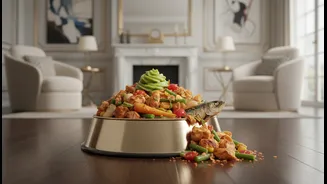
Gourmet pet ownership often comes with the temptation to supplement a premium diet with extras like toppers, mixers, or human foods. While a small, pet-safe vegetable is fine, these additions can quickly unbalance a carefully formulated diet. Treats and toppers should make up no more than 10% of your pet's total daily calorie intake. Overfeeding treats is a fast track to obesity and can lead to pets becoming picky about their main meals. Homemade diets are another pitfall; without guidance from a veterinary nutritionist, they are often nutritionally incomplete and can cause serious deficiencies.