




Focus on Superior Drainage
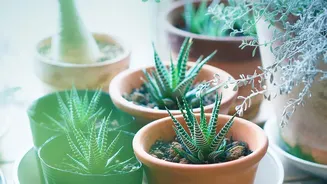
The single biggest threat to your herbs during the rains is root rot from waterlogged soil. Unlike garden beds, pots can easily become oversaturated. First, ensure every pot has drainage holes; no exceptions. If your pots are sitting directly on the floor,
elevate them slightly using bricks, bottle caps, or pot feet. This simple step prevents water from collecting at the base and allows excess moisture to escape freely. Before the monsoon arrives, consider amending your soil with perlite or coarse sand to make it less dense and more porous, which dramatically improves drainage.
Provide Shelter Without Sacrificing Light
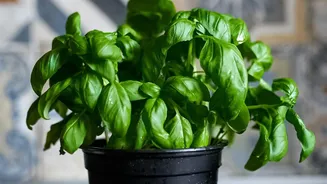
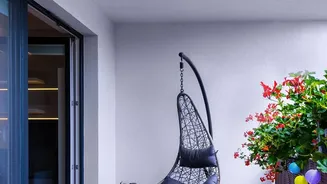
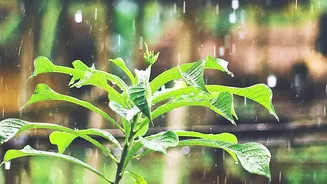
While you want to protect your herbs from the direct force of heavy rain, you don't want to deprive them of sunlight. For smaller pots containing delicate herbs like basil, the easiest solution is to move them to a covered part of the balcony where they still receive bright, indirect light. For larger planters, you can create a temporary, transparent shield using a plastic sheet. This buffers the impact of heavy raindrops, which can damage tender leaves, without blocking essential sunlight.
Adjust Your Watering Schedule
It seems obvious, but many gardeners forget to change their watering habits during the monsoon. With high humidity and frequent rain, your plants need far less manual watering. The golden rule is to check the soil first. Stick your finger about an inch or two into the soil; if it feels damp, do not water. Overwatering is the leading cause of root rot during this season, so it's better to err on the side of caution. Plants in open areas might not need any extra water at all, while those under cover will still need monitoring.
Watch Out for Pests
The damp, humid conditions of the monsoon are a breeding ground for pests like slugs, snails, aphids, and fungus gnats. Regularly inspect your plants, paying close attention to the undersides of leaves and the surface of the soil. Snails and slugs leave silvery trails and chew irregular holes in leaves, and they are most active in wet weather. Fungus gnats, which look like tiny flies, hover around overly moist soil. To prevent infestations, ensure good air circulation between your pots and consider a preventative weekly spray of neem oil solution.
Special Care for Delicate Basil
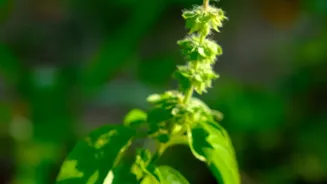
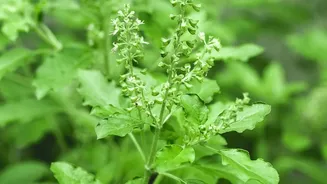
Basil is particularly sensitive to overwatering and cool, damp conditions. Its leaves can quickly develop black spots or fungal issues like gray mold in a humid environment. For basil, providing shelter from direct rain is non-negotiable. It thrives with consistent moisture but hates sitting in water, so excellent drainage is key. It's also a good idea to prune basil regularly, pinching off the top sets of leaves. This promotes bushier growth and improves air circulation around the plant, which helps prevent fungal diseases from taking hold.
How to Manage Hardy Mint
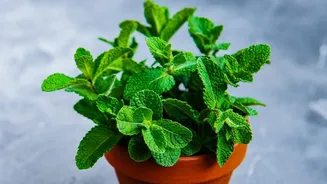
Mint is far more resilient than basil and can handle more moisture, but it's not invincible. Its biggest issue is its tendency to spread invasively, but in a pot, the main concern is still root rot if drainage is poor. Even though mint loves moist conditions, the soil shouldn't be perpetually soggy. Pruning mint is also beneficial during the monsoon. Trimming it back helps maintain good airflow through its dense foliage, which can otherwise trap humidity and lead to fungal problems. Also, be sure to remove any yellow or blackened stems to keep the plant healthy.