






The Science of Hair and Humidity
To understand why your hair rebels in humid weather, you first need to know its basic structure. Each hair strand is protected by an outer layer called the cuticle, which is made of overlapping scales, much like shingles on a roof. When your hair is healthy
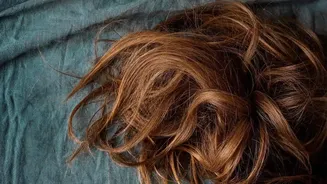
and well-moisturised, these cuticles lie flat, creating a smooth, shiny surface. However, hair is also porous, meaning it can absorb moisture from the air. Humid air is laden with water molecules. When these molecules penetrate the hair shaft, they form temporary hydrogen bonds with the keratin proteins inside. This influx of moisture causes the hair strand to swell unevenly, forcing the cuticle scales to lift and creating the rough texture we know as frizz.
The Air-Drying vs. Blow-Drying Debate
For years, air-drying has been promoted as the healthier, damage-free option. After all, avoiding heat seems logical. However, recent science suggests this isn't the full story, especially in high humidity. When hair is wet, it's in its most fragile state. The internal structure swells as it absorbs water, and the longer it remains wet, the more stress it endures. This prolonged swelling, known as hygral fatigue, can weaken the hair strand over time, making it more prone to breakage. In a humid environment, air-drying means your hair stays damp for longer, continuously exposed to both the water from your shower and the moisture in the atmosphere, which can encourage more frizz and even scalp issues.
Smarter Blow-Drying for Humid Weather
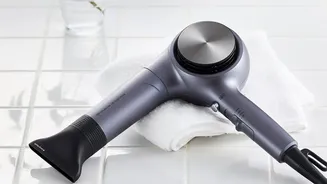
This doesn't mean you should blast your hair with high heat. The key is to blow-dry strategically. A controlled blow-dry can actually be less damaging than letting hair air-dry for hours. By quickly removing excess water, you minimize the time the hair shaft stays swollen and vulnerable. The airflow from a dryer helps to smooth and close the cuticle layer, which is your best defence against humidity. A sealed cuticle not only looks shinier but also acts as a barrier, preventing ambient moisture from getting in and disrupting your style. The goal is not to scorch your hair into submission, but to efficiently dry it while sealing that protective outer layer.
Your Step-by-Step Humidity-Proof Drying Plan
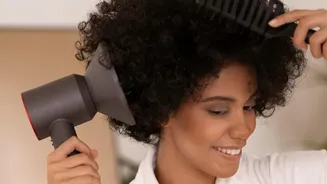
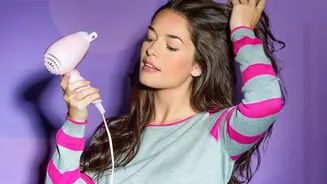
To master your drying technique, follow a few simple rules. First, never rub your hair aggressively with a standard cotton towel. This roughs up the cuticle and creates instant frizz. Instead, gently squeeze and blot your hair with a microfiber towel or an old t-shirt to absorb as much water as possible without friction. Next, apply your leave-in products, like a conditioner or a heat protectant serum, to damp, not sopping wet, hair. Then, begin blow-drying on a medium heat and speed setting. Always point the nozzle downwards, following your brush from root to tip. This motion encourages the cuticles to lie flat. Once your hair is about 80-90% dry, switch to the cool shot button. This blast of cold air helps to lock the cuticle in its smooth, closed position, creating a final seal against humidity.
The Finishing Touches
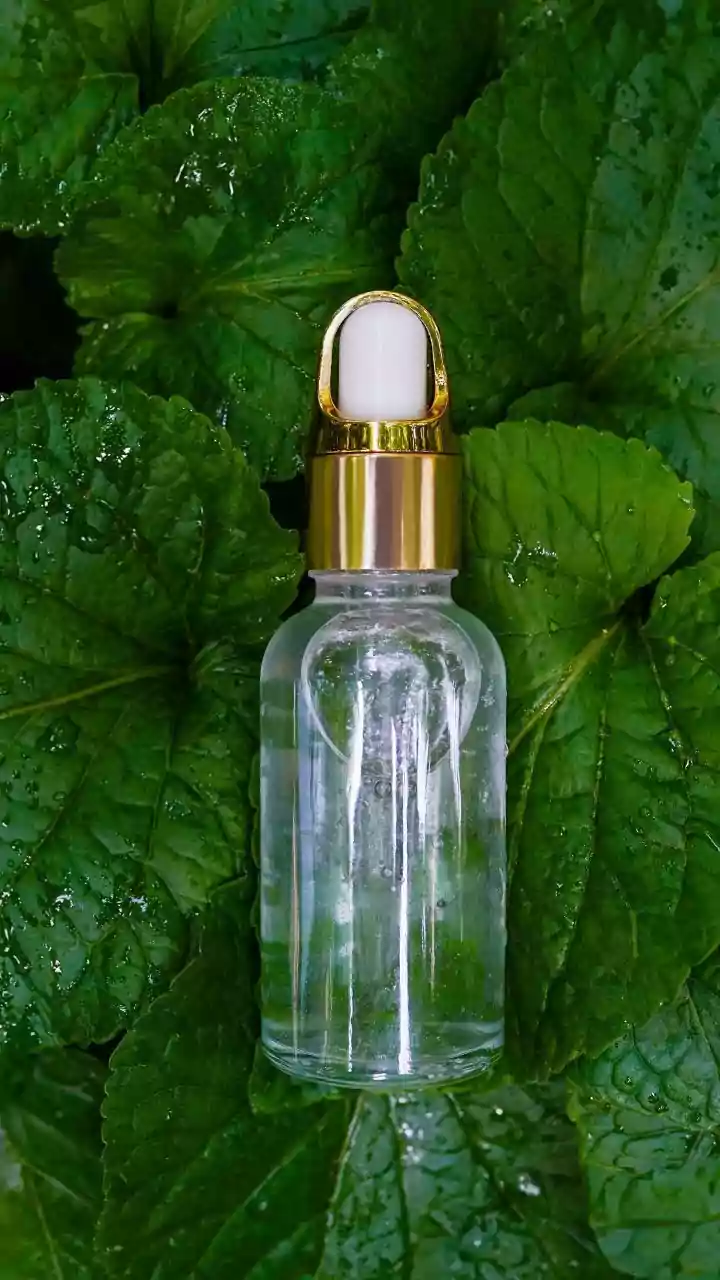
Even with the perfect drying technique, a little extra reinforcement goes a long way. Once your hair is completely dry and cool, you can use a finishing product. A lightweight anti-frizz serum or a humidity-blocking hairspray can provide an additional shield. Look for products with silicones or natural oils that coat the hair shaft, further repelling environmental moisture. Apply a small amount, focusing on the mid-lengths and ends. This final step ensures that all your hard work pays off, keeping your hair smooth and manageable, even when the air outside is thick with moisture.