







The Art of the Financial Pause
A purchase pause, sometimes called a spending freeze or a waiting period, is a straightforward strategy: before buying any non-essential item, you commit to waiting for a set amount of time. This isn't about permanent deprivation; it's about creating
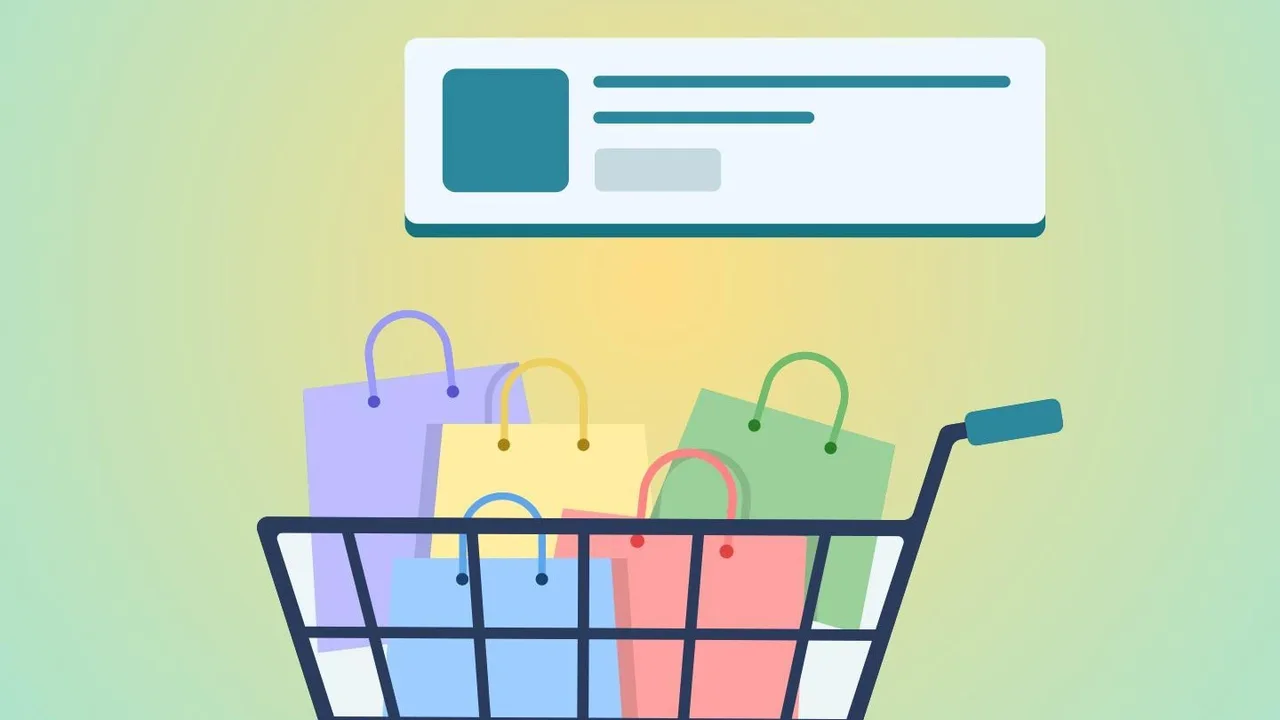
a mandatory cooling-off period between the impulse and the action. The length can be whatever works for you. Some people apply a 24 or 72-hour rule for smaller online buys, while others use a 30-day list for more significant purchases. The core idea is to intentionally break the cycle of instant gratification that modern shopping, especially online, is built to encourage.
Why Waiting Works Wonders
Impulse buying is often driven by emotion, not logic. Stress, boredom, or even excitement can trigger a desire to spend, providing a temporary dopamine hit that feels like a solution. This is what marketers often count on, using tactics like limited-time offers and social proof to create a sense of urgency. A purchase pause works by giving your rational brain time to catch up with your emotional one. The initial dopamine spike from wanting something fades, allowing you to assess the purchase with a clearer head. This simple delay helps you distinguish a temporary, emotion-fueled desire from a thought-out, needs-based decision.
How to Start Your Own Pause
Implementing a pause is simple, but it requires a clear plan. First, define your rules. Decide what counts as a non-essential purchase for you. This could be anything from takeout coffee and new clothes to electronics and home decor. Next, set your timeframe. If you're new to this, a 7-day freeze on all non-essential spending can be a great start. For specific items you want, a popular method is the 30-day rule: write down the item and the date, and if you still want it after a month, you can consider buying it. It also helps to remove temptation. Unsubscribe from marketing emails, delete shopping apps, and avoid 'just browsing' as a pastime.
A Tool for Financial Clarity
The most powerful outcome of a purchase pause isn't just the money you save, but the self-awareness you gain. By tracking the things you want to buy, you start to see patterns in your spending triggers. You might notice you're most tempted to shop online late at night or after a stressful day at work. Many people find that after the waiting period is over, the desire for most items on their list has vanished. This process reveals what you genuinely value versus what was simply an impulsive craving. It transforms spending from a reactive habit into an intentional choice, putting you back in control of your financial narrative.
Beyond the Bank Account
The benefits of this practice extend far beyond your finances. By buying less, you naturally reduce clutter in your home and lessen your environmental footprint by consuming fewer resources. It can also spark creativity, encouraging you to make do with what you already have or find free ways to entertain yourself. Many people report a significant reduction in buyer's remorse and decision fatigue. Ultimately, a purchase pause isn't just about saying 'no' to things; it's about creating the space to say 'yes' to your bigger goals, whether that's saving for a major purchase, paying down debt, or simply living a more intentional and less cluttered life.