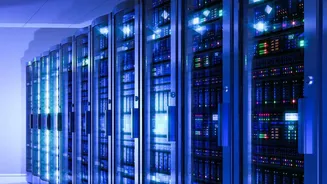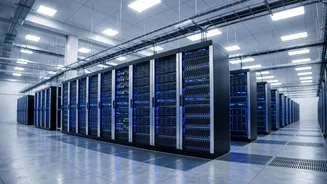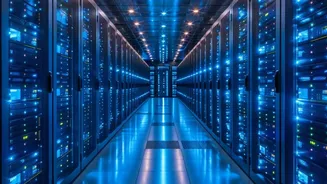




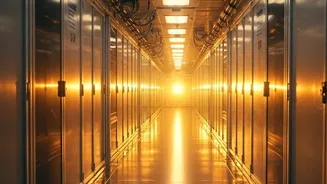


India is on the verge of a data centre 'supercycle'. A recent Crisil Ratings report forecasts a staggering fivefold increase in capacity to 7.5 gigawatts by March 2030, backed by over ₹3 lakh crore in investments. This isn't just growth; it's a boom.
The Engine of Digital India
At the heart of every video stream, online transaction, and AI-powered query lies a data centre. These facilities are the physical backbone of the digital world, and India's are set for a monumental expansion. According to a new analysis by Crisil Ratings, the country's installed data centre capacity will surge from its current level to approximately 7.5 gigawatts (GW) by March 2030. To put that into perspective, it's a five-times increase that will require investments exceeding ₹3 lakh crore. This explosive growth is being driven by a perfect storm of factors: the relentless march of enterprise digitalisation, skyrocketing data consumption by a billion-plus population, and, most significantly, the compute-heavy demands of generative artificial intelligence (GenAI).
AI and Hyperscalers Fuel the Fire
The primary catalyst for this investment supercycle is the unprecedented demand from GenAI and cloud computing. Global 'hyperscalers'—the tech giants that dominate cloud services—are aggressively expanding their footprint in India. These companies are expected to lease between 75-80% of India's data centre capacity by fiscal 2030, up from about 60-65% in 2026. The demand is so robust that developers are finding it easier to secure upfront commitments. Nearly half of the upcoming capacity is already pre-booked under long-term contracts, significantly reducing investment risks. These contracts are also getting longer, extending from a previous norm of 10-12 years to 15-20 years, which provides developers with strong revenue visibility and financial stability.
India's Competitive Edge
India is not just a market; it's an increasingly attractive destination for building data centres. According to Crisil Director Anand Kulkarni, India has key structural cost advantages over its Asia-Pacific rivals. Development costs, including land and labour, are roughly 20% lower than in competing markets. Coupled with more affordable power tariffs, this results in rental rates that can be 30-35% cheaper. Furthermore, India's ability to develop large data centre campuses powered by renewable energy aligns perfectly with the sustainability goals of global hyperscalers, adding another layer to its competitive appeal.
Growing Pains on the Horizon
However, this rapid, large_scale expansion is not without its challenges. The single biggest hurdle identified by the Crisil report is the strain on power infrastructure. An estimated three_fourths of the new capacity (around 6 GW) is expected to be concentrated in just three cities: Visakhapatnam, Mumbai, and Hyderabad. By 2030, the power required by data centres in these cities could equal a significant portion of their current peak electricity demand—as high as 80% in Visakhapatnam and 60% in Mumbai. This creates a critical need for timely grid connectivity and major upgrades to power transmission infrastructure to avoid becoming a bottleneck for growth. Another risk is customer concentration. While long_term contracts with hyperscalers offer stability, an over_reliance on a few large clients could give them significant bargaining power, potentially putting pressure on rental prices in the future.