




Scotland's Answer to the Fjords
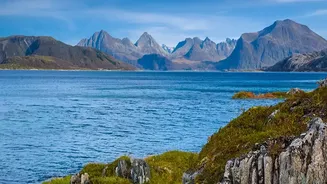
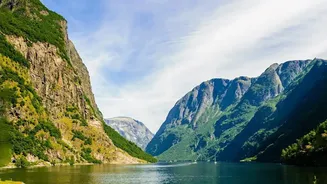
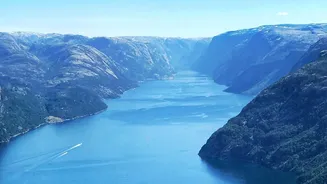
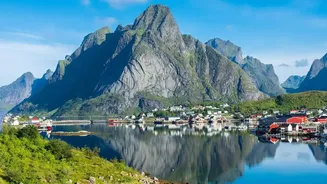
While geologically distinct, Scotland's sea lochs offer an experience every bit as dramatic as their Norwegian counterparts. Carved by ancient glaciers and flooded by the sea, these long, deep inlets are essentially fjords by another name. They share
the same awe-inspiring characteristics: steep-sided mountains plunging directly into dark, tidal waters, creating a landscape of raw, untamed grandeur. Some, like the inner reaches of Loch Hourn, are considered among the most fjord-like in all of Scotland, creating a narrow, enclosed world of immense natural power. The key difference is often one of scale, but what the Scottish lochs might lack in sheer size, they make up for in atmosphere, intimacy, and a profound sense of wildness.
Journey to the 'Rough Bounds'
The most spectacular of these fjord-like lochs are found on the remote west coast, particularly in the area known historically as the 'Garbh-Chrìochan' or 'Rough Bounds'. This region includes the Knoydart peninsula, often called 'Britain's last wilderness' because it has no connection to the mainland road network. Here, Loch Nevis ('Loch of Heaven') and Loch Hourn ('Loch of Hell') cleave the land, creating a dramatic peninsula accessible only by boat or a long hike. A boat journey here is the best way to grasp the majesty of mountains like Ladhar Bheinn rising sheer from sea level. The experience is one of entering a world set apart, where the landscape, not human activity, dictates the terms.
More Than Just Waterways
A tour of this coastline reveals much more than the sea lochs themselves. The journey is a passage through layers of history, culture, and nature. The waters are gateways to the Inner Hebrides, including the famous Isle of Skye with its jagged Cuillin mountains, and the smaller isles of Mull, Iona, and Eigg. This is a landscape rich in wildlife, with opportunities to spot seals, dolphins, sea eagles, and even whales. The coastline is dotted with ancient castles like Eilean Donan, perched at the confluence of three lochs, and the ruins of fortresses that speak to a history of clan rule and Viking raids. Exploring this region means engaging with a living culture, from the whisky produced in distilleries like Oban to the Gaelic heritage that still echoes through the glens.
How to Explore the Western Coast
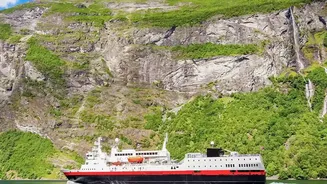
There are several ways to experience this magnificent coastline, each offering a different perspective. For the most immersive views, smallship cruises are ideal. Vessels like the 'Lord of the Glens' are purposebuilt to navigate the narrow lochs and canals, including the historic Caledonian Canal which links the east and west coasts through Loch Ness. These tours offer the advantage of reaching remote areas like the Knoydart peninsula and islands that are otherwise difficult to access. For those who prefer to stay on land, scenic driving routes like the North Coast 500 and the Argyll Coastal Route offer unforgettable vistas, though they only provide a shorebased view of the sea lochs. Independent boat trips and ferries also operate from hubs like Mallaig and Oban, providing day tours or passage to the islands.
Planning Your Scottish Voyage
The primary season for touring Scotland's west coast runs from spring through autumn, generally April to October, when the weather is milder and wildlife is more active. Many cruise operators now offer itineraries that focus solely on the Scottish Highlands and Islands, while some even combine the highlights of Scotland with the fjords of Norway, offering a comprehensive tour of Europe's northern scenic wonders. When choosing a tour, look for those that specialize in smallgroup travel, as this often allows for more flexibility and access to quietererer secluded anchorages. Whether you opt for a weeklong cruise through any Hebrides or a day trip into a single sea loch, the experience of Scotland's ruggeder fjordlike coast is sure to leave a lasting impression.