






The Benefits: Why July is Prime Time
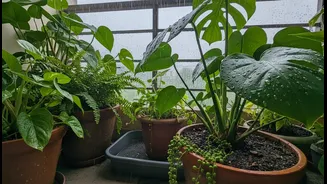
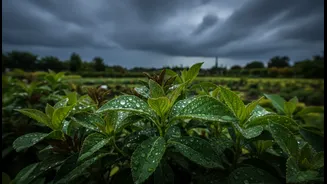
The monsoon is nature’s invitation to get your hands dirty. The cooler temperatures and higher humidity create ideal conditions for many plants to thrive, reducing the stress they face during the hot, dry summer months. The most obvious benefit is the abundant
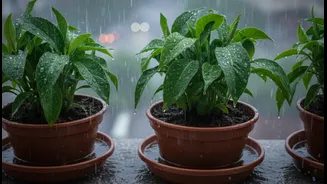
natural watering, which cuts down on your daily chores and conserves water. This period of consistent moisture softens the soil, making it easier to work with, and boosts seed germination rates. For many plants, growth accelerates, leading to lusher foliage and more vibrant flowers. According to horticultural experts, the survivability of new saplings planted in June and July is significantly higher than in dry weather.
The Risks: Waterlogging and Pests
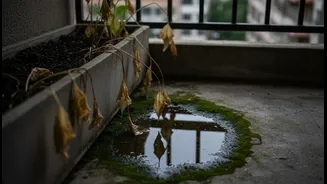
The biggest challenge during the Bengaluru monsoon is an excess of a good thing: water. Persistent heavy rain can lead to waterlogged soil, which suffocates roots and can cause root rot, one of the most common reasons plants fail during this season. Symptoms include wilting leaves despite wet soil and yellowing lower leaves. High humidity also creates a perfect breeding ground for fungal diseases like powdery mildew and leaf spot. Furthermore, pests such as slugs, snails, and aphids multiply rapidly in the damp environment, posing a threat to your vegetables and flowers.
The Solution: Mastering Drainage
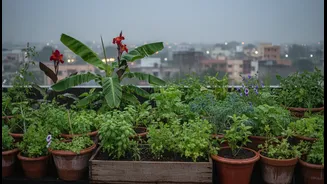
Proactive water management is the key to a successful monsoon garden. First, ensure every pot has adequate drainage holes at the bottom to let excess water escape. Elevating your pots on stands or bricks is a simple but highly effective trick to prevent them from sitting in stagnant water. For those planting in the ground, creating raised beds can significantly improve drainage. It's also wise to amend your soil. Mixing in organic matter like compost or materials like perlite creates a looser, better-aerated structure that allows water to drain more freely.
Smart Monsoon Planting: What to Grow Now
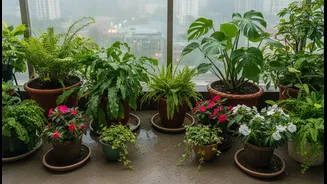
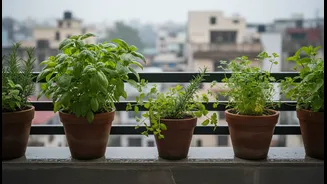
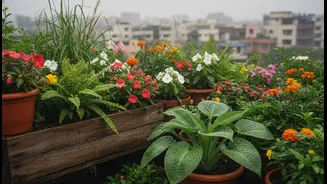
Choosing the right plants for the season is crucial. July is an excellent time to sow seeds for a variety of vegetables that love the rain. Leafy greens such as spinach and amaranth flourish in these conditions. It's also the perfect moment to plant gourds, beans, okra, chilies, and brinjal. For those who love flowers, monsoon-friendly choices like hibiscus, bougainvillea, jasmine, and marigolds will add a splash of colour to your garden. However, it's generally best to avoid planting tomatoes now, as they are highly susceptible to fungal diseases in the humid weather.
Pest and Disease Management
Stay vigilant to keep pests and diseases at bay. Regular inspection is your first line of defense. Check the undersides of leaves for common pests like aphids and mealybugs. To prevent fungal growth, ensure good air circulation by not overcrowding your plants and pruning excess foliage. A preventive spray of neem oil mixed with water every 10-14 days can be highly effective against both pests and fungal issues. If you spot any diseased leaves, remove them immediately to prevent the problem from spreading.