




Understanding the GRAP System
The core of Delhi-NCR's pollution control strategy is the Graded Response Action Plan (GRAP). It's an emergency response system that activates increasingly stringent measures as the air quality deteriorates. Managed by the Commission for Air Quality Management
(CAQM), GRAP is divided into four stages triggered by the Air Quality Index (AQI). Stage I kicks in when the air is 'Poor' (AQI 201-300), Stage II for 'Very Poor' (AQI 301-400), Stage III for 'Severe' (AQI 401-450), and Stage IV for 'Severe Plus' (AQI above 450). These measures are cumulative, meaning restrictions from lower stages remain in place as higher stages are invoked. The CAQM often acts preemptively based on weather forecasts, implementing restrictions before the air quality officially crosses a threshold.
The Rules for Outstation Vehicles
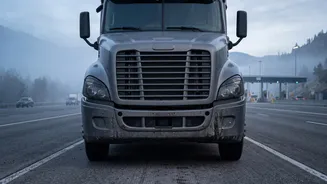
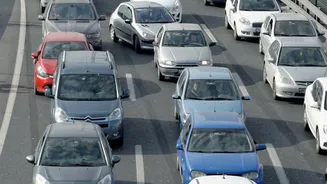
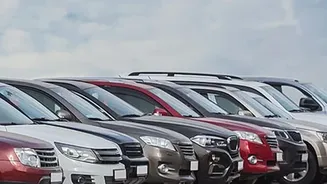
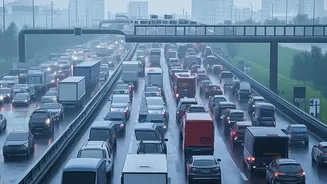
The restrictions specifically targeting outstation vehicles are a critical component of this plan. As pollution levels rise, certain vehicles registered outside Delhi are barred from entering the city. Under Stage III of GRAP, there is a strict ban on BS-III petrol and BS-IV diesel light motor vehicles (four-wheelers) in Delhi and surrounding NCR districts like Gurugram, Faridabad, Ghaziabad, and Gautam Buddh Nagar. When conditions worsen to Stage IV, the rules get even tighter. Light commercial vehicles registered outside Delhi are not permitted entry, and all interstate buses must operate on either electric, CNG, or BS-VI diesel engines to enter the capital.
Permanent Winter Action Plan
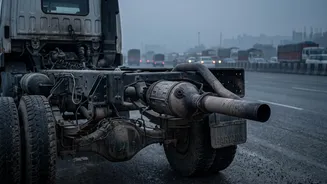
Beyond the reactive GRAP stages, Delhi has also instituted a more permanent 'Winter Action Plan' that runs annually. For instance, a blanket restriction is often in place from November 1 to January 31. During this period, all vehicles registered outside Delhi must be BS-VI compliant to enter the city. This rule aims to curb the influx of older, more polluting vehicles during the months when meteorological conditions are most likely to trap pollutants. Another key enforcement measure is the 'No PUC, No Fuel' policy, which denies petrol, diesel, or CNG to any vehicle lacking a valid Pollution Under Control certificate, further pressuring drivers to ensure their vehicles meet emission norms.
Exemptions to the Rule
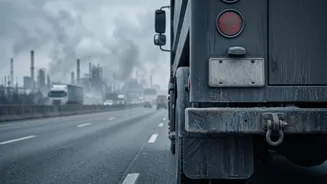
While the restrictions are broad, they are not absolute. Several categories of vehicles are exempt from these bans to ensure essential services are not disrupted. Vehicles running on cleaner fuels like CNG and electricity are generally permitted. Furthermore, all emergency service vehicles, such as ambulances and fire trucks, and those carrying essential commodities are allowed to operate regardless of the active GRAP stage. Commercial vehicles that are BS-VI compliant, particularly trucks and buses, are also typically exempt from the strictest entry bans. This ensures that the flow of vital goods and public transport continues even during periods of severe air pollution.
How to Plan Your Travel
For anyone planning to drive a non-local vehicle into Delhi-NCR during the winter months (typically October to February), staying informed is crucial. Before starting your journey, it is essential to check the current GRAP stage and any active restrictions. Official announcements are made by the CAQM and widely reported. If your vehicle is older (BS-III petrol or BS-IV diesel), it is best to avoid bringing it into the restricted zones during 'Severe' pollution days. The most reliable options are to use public transport like the Metro or ensure your vehicle is BS-VI compliant. Enforcement is strict, with traffic police conducting checks at key entry points and imposing heavy penalties on violators, so planning ahead can save you significant trouble.