





The Rise of the Pampered Pet Plate
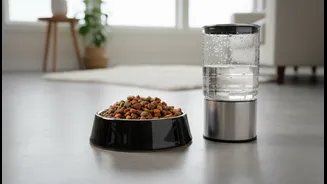
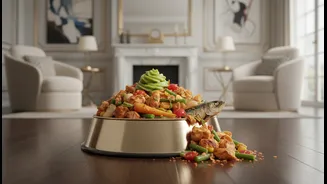
The pet food market in India is experiencing a significant boom, with a notable shift towards premium and gourmet options. This isn't just about fancy packaging; it's about what's inside. Gourmet pet food often features high-quality, human-grade ingredients
like Atlantic salmon, boneless duck, and fresh vegetables. This trend is driven by a powerful change in how we view our pets. With rising disposable incomes and smaller, nuclear families, pets are increasingly seen as integral family members. As a result, pet parents are more conscious of their animal's nutrition and are willing to spend more to provide them with what they perceive as the best. This 'pet humanisation' trend means that the simple bowl of kibble is being replaced by curated meals, bakery products, and even exotic stews designed to appeal to both the pet and the owner.
The Hidden Dangers of 'Too Much Love'
While offering premium food comes from a place of love, it carries a hidden risk: overfeeding. Gourmet foods are often more calorie-dense and palatable, making it easy for pets to consume more calories than they need. This is a serious concern, as pet obesity is on the rise and is linked to numerous health problems. Excess weight puts significant strain on a pet's joints, which can lead to or worsen conditions like arthritis. It also increases the risk of life-altering diseases such as diabetes, heart disease, and even certain types of cancer. Studies have shown that maintaining a healthy weight can extend a pet's lifespan by up to two years, making portion control not just a matter of fitness, but of longevity.
Why You Can't Always Trust the Label
Most pet food packages come with feeding guidelines, but these should be treated as a starting point, not a strict rule. These recommendations are often based on the needs of an average, active, and un-neutered pet, which might not describe your companion at all. Factors like breed, age, activity level, and whether a pet has been spayed or neutered can significantly alter their caloric needs. For example, a senior indoor cat requires far fewer calories than a young, energetic Labrador. Hormonal changes after spaying or neutering can slow a pet's metabolism, increasing the risk of obesity if their diet isn't adjusted accordingly. Simply following the bag can easily lead to gradual weight gain over time.
A Practical Guide to Perfect Portions
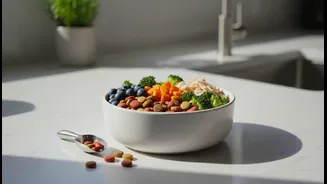
So, how do you get it right? The most reliable first step is to consult your veterinarian. They can assess your pet’s body condition score (BCS)—a hands-on check of their ribs and waistline—to determine their ideal weight and calculate their specific daily calorie needs. Once you have a target, be precise with your measurements. Instead of 'eyeballing' it, use a proper measuring cup or, even better, a digital kitchen scale to weigh the food. This ensures accuracy, as the size and density of kibble can vary. Remember to factor in treats, which should make up no more than 10% of your pet's total daily caloric intake. Regularly monitor your pet's weight and body condition, and be prepared to adjust their food intake as needed with guidance from your vet.