








Understanding the Afternoon Energy Dip
That familiar wave of tiredness that hits between 1 PM and 4 PM isn't just in your head. It’s a common biological response. Often, it's linked to our body’s natural circadian rhythms, but it can be significantly worsened by what and how we eat. A heavy
lunch, especially one rich in refined carbohydrates and sugars, can cause a rapid spike in blood sugar, followed by a sharp crash. Your pancreas releases insulin to manage the sugar, and this subsequent drop in blood glucose is what leaves you feeling drained, foggy, and desperately craving a nap. Dehydration and the simple digestive effort of processing a large meal also contribute to this feeling of lethargy, making it difficult to power through the rest of your workday.
Enter Fenugreek: A Humble Powerhouse
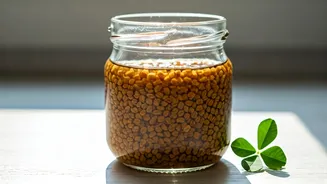
Fenugreek, or methi dana, is a staple in Indian kitchens, celebrated for its distinct flavour and long history in Ayurvedic traditions. These small, golden-brown seeds are nutritionally dense. They are a fantastic source of soluble fibre, which is key to their potential benefits for energy. Soluble fibre forms a gel-like substance in the digestive tract, which slows down the absorption of carbohydrates and sugars. This leads to a more gradual, controlled release of glucose into the bloodstream, helping prevent the sharp spikes and subsequent crashes that cause energy slumps. Beyond fibre, methi seeds also contain essential minerals like iron, which is crucial for fighting fatigue, and magnesium, which plays a role in energy production at a cellular level.
How Soaked Fenugreek Water May Help
When you soak fenugreek seeds, you're making their nutrients more bioavailable. The process softens the seeds and releases their beneficial compounds, including a unique fibre called galactomannan. By drinking this water, especially before a meal, you introduce this soluble fibre into your system. It can help promote a feeling of fullness, potentially preventing overeating at lunch. More importantly, it helps moderate your body's glycaemic response to the food you eat. Instead of a sudden jolt of energy followed by a crash, you may experience a more stable, sustained release of energy throughout the afternoon. This simple habit is thought to support digestive health and provide a steady foundation for lasting vitality, rather than a quick, temporary fix.
A Simple Guide to Making It
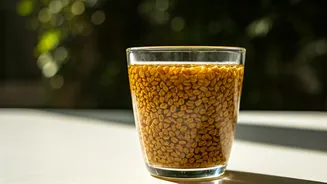
Preparing fenugreek water is incredibly simple and requires minimal effort. Here’s a step-by-step guide: 1. **Measure:** Take one teaspoon of fenugreek (methi) seeds. 2. **Soak:** Place the seeds in a large glass of clean, filtered water (about 250 ml). 3. **Rest:** Cover the glass and let it sit overnight, or for at least 6-8 hours. You will notice the seeds swell up and the water will turn a pale yellow. 4. **Strain and Drink:** In the morning, strain the seeds out. You can drink the water on an empty stomach or about 30 minutes before your lunch to potentially help manage post-meal energy levels. Some people also choose to lightly chew the soaked seeds for an extra fibre boost, but you can discard them if you find their bitter taste too strong.
Precautions and What to Consider
While fenugreek water is a natural remedy, it's not suitable for everyone. Its effect on blood sugar means that individuals with diabetes or those on blood-sugar-lowering medication should consult their doctor before incorporating it into their routine, as it could interfere with their treatment. Due to its potential to stimulate uterine contractions, pregnant women should avoid fenugreek entirely. Some people may experience mild digestive discomfort, such as gas or bloating, when first starting. It's always best to start with a small amount to see how your body reacts. As with any wellness practice, it is a supplement to a healthy lifestyle, not a replacement for a balanced diet, adequate sleep, and regular exercise.