




1. Solve the Protein Puzzle
Protein is the building block of our bodies, crucial for muscle repair, immunity, and feeling full. While many Indian vegetarian diets are rich in tradition, they can sometimes fall short on high-quality protein. The key isn't just eating dal once a day;
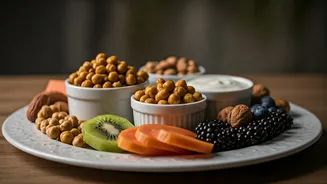
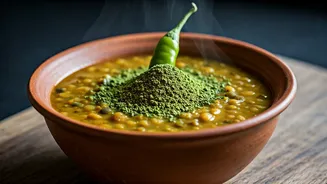
it's about incorporating diverse protein sources into every meal. Start your day with a bowl of dahi or a besan chilla. For lunch and dinner, ensure your plate has a generous serving of lentils, chickpeas, rajma, or paneer. Don’t overlook modern options like tofu and soya chunks, which are incredibly versatile and protein-dense. Snacking on a handful of roasted chana or peanuts instead of chips is another easy win. By consciously adding these, you ensure your body gets the fuel it needs to thrive, preventing that mid-afternoon energy slump.
2. Master Your Micronutrients
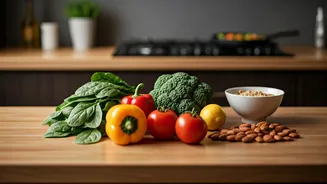
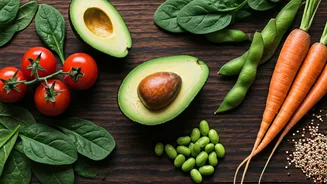
Two nutrients often require special attention in a vegetarian diet: Iron and Vitamin B12. Iron is vital for carrying oxygen in your blood, and a deficiency can lead to fatigue and weakness. Boost your intake with dark leafy greens like spinach and methi, lentils, beans, and seeds like pumpkin and sesame. To enhance absorption, pair these iron-rich foods with a source of Vitamin C—squeeze some lemon juice on your dal or have a side of tomato salad. Vitamin B12, on the other hand, is primarily found in animal products. If you consume dairy, milk, cheese, and yogurt are good sources. For vegans or those who limit dairy, it's essential to look for B12-fortified foods like certain plant milks, breakfast cereals, or nutritional yeast. A B12 supplement may be necessary, and it’s wise to discuss this with a doctor.
3. Embrace a Rainbow of Vegetables
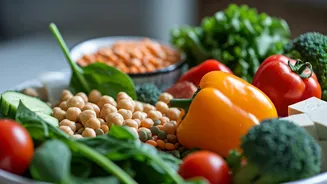
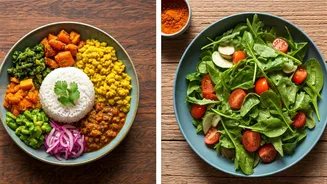
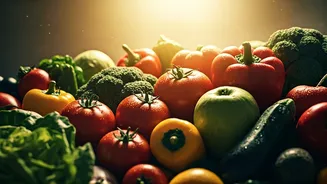
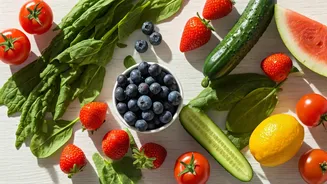
It’s easy to get stuck in a routine of eating the same few vegetables. However, a 'better' diet is a diverse one. Different coloured fruits and vegetables provide different vitamins, minerals, and antioxidants, all of which work together to protect your body. Aim to 'eat the rainbow' throughout the week. This means moving beyond just potatoes and onions. Add purple cabbage to your salad, roast some red and yellow bell peppers, steam some green broccoli, and make a sabzi with orange carrots or pumpkin. This variety not only makes your meals more visually appealing but also ensures you're getting a wide spectrum of phytonutrients that support everything from your immune system to your skin health. A simple goal: try one new vegetable every week.
4. Ditch the 'Junk' Vegetarian Trap
Being vegetarian doesn't automatically mean being healthy. Many common vegetarian foods are deep-fried, loaded with refined flour (maida), and packed with sugar. Samosas, kachoris, biscuits, and most packaged namkeens fall into this category. While delicious as an occasional treat, making them a daily staple can undermine the health benefits of your diet. A better life starts with recognizing this trap. Swap the fried snacks for roasted nuts or makhana. Choose whole-wheat roti over naan or white bread. Instead of sugary packaged juices, opt for whole fruits or coconut water. The goal isn’t to eliminate joy from food, but to shift the balance so that your everyday meals are nourishing, and the treats remain just that—treats.
5. Prioritize Healthy Fats
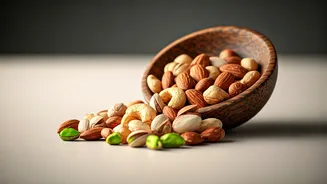
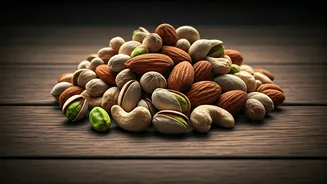
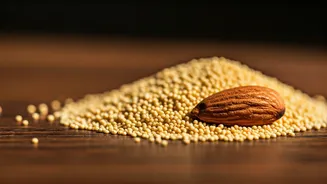
Fats have a bad reputation, but the right kinds are essential for brain health, hormone production, and absorbing certain vitamins. A healthy vegetarian diet includes unsaturated fats while limiting saturated and trans fats. Excellent sources of good fats are easily available. Incorporate a handful of almonds or walnuts into your day. Use seeds like flax (alsi) and chia by adding them to your yogurt, smoothies, or even roti dough for a boost of Omega-3 fatty acids. When cooking, choose oils like mustard, groundnut, or sesame oil in moderation, and use ghee sparingly for its flavour and health benefits. Avocados are another fantastic source of healthy fat if they are accessible to you. Making these simple swaps adds flavour and crucial nutrients to your diet.