
India’s Next Interplanetary Frontier
Following the landmark successes of the Chandrayaan missions to the Moon and the Mangalyaan mission to Mars, the Indian Space Research Organisation (ISRO) is setting its sights on the second planet from the Sun. Officially named the Venus Orbiter Mission,
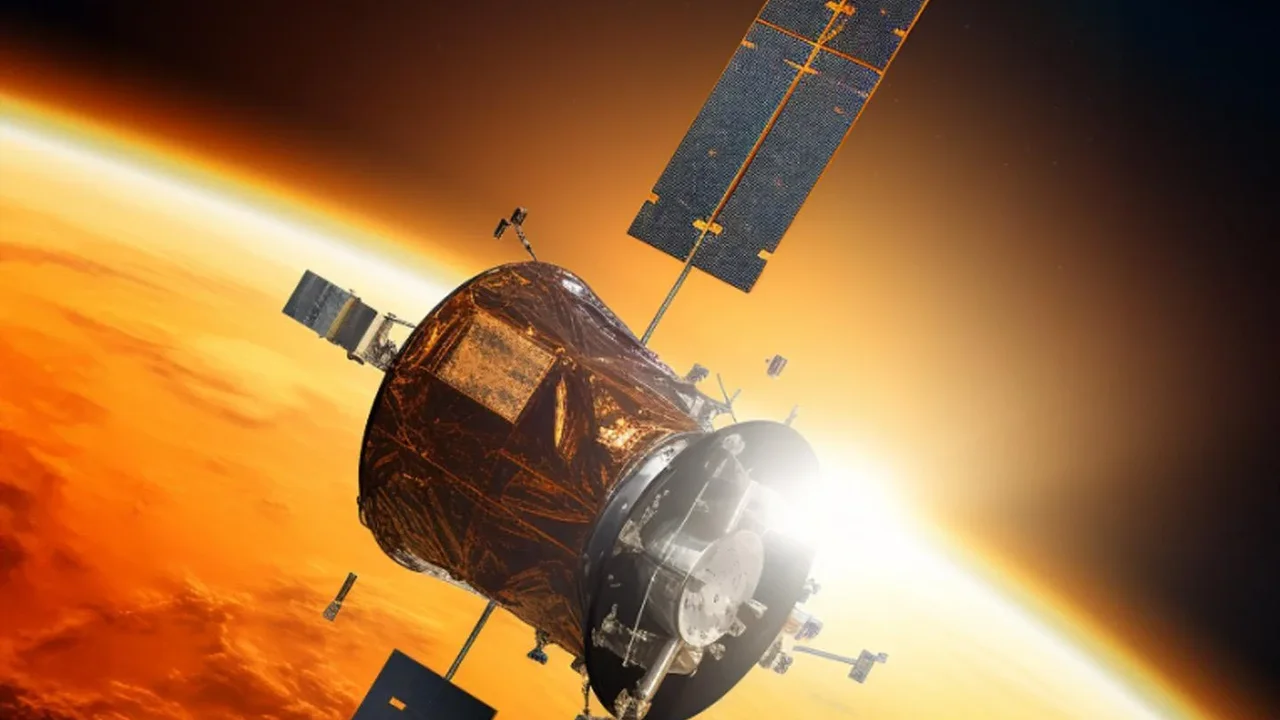
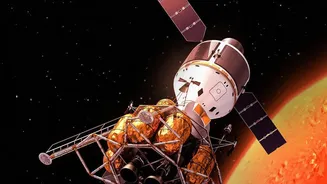
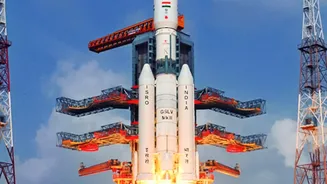
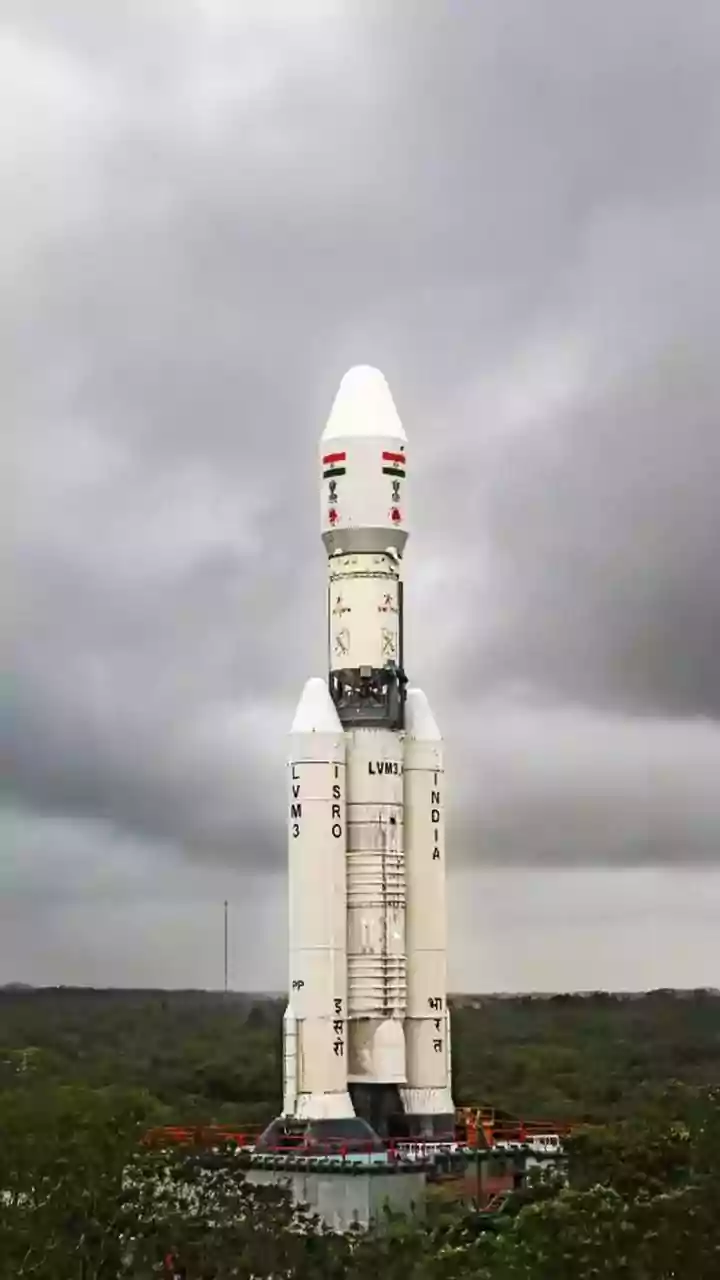
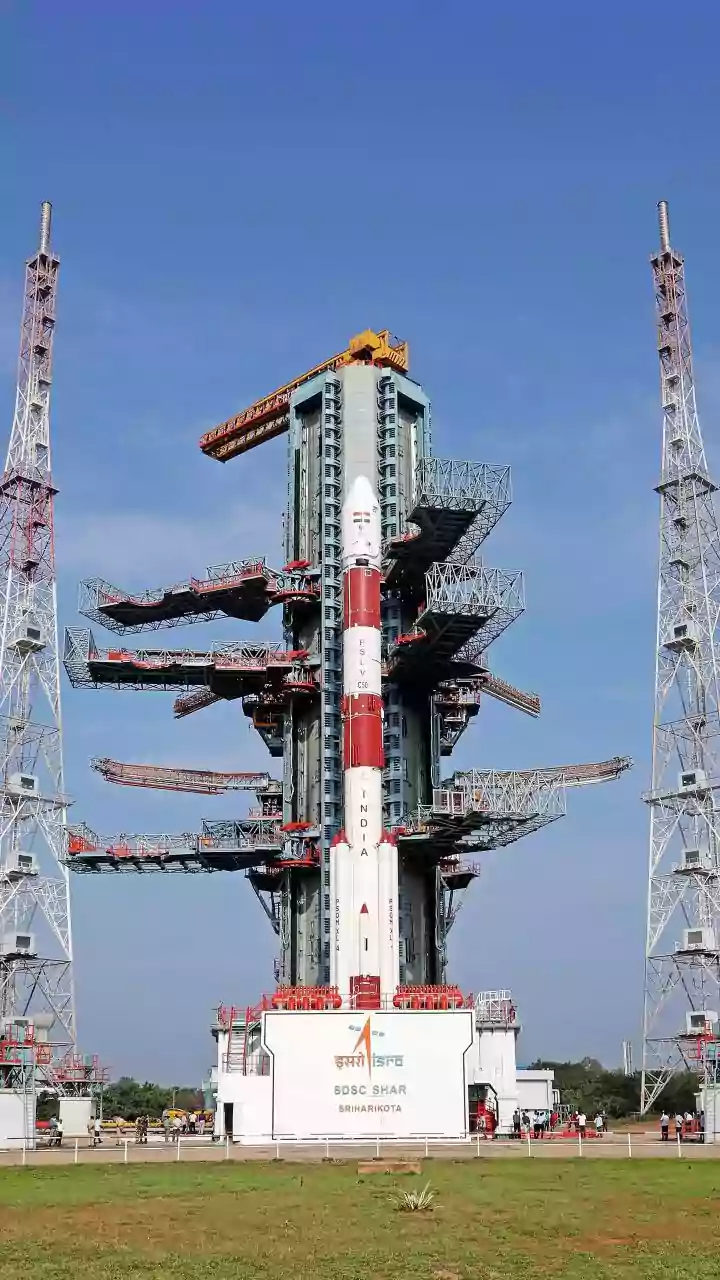
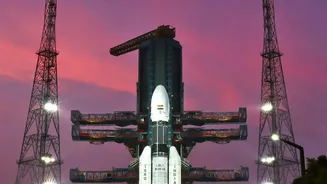
and widely known as Shukrayaan-1, this represents India's first dedicated mission to our nearest planetary neighbour. Formally approved by the Union Cabinet in September 2024, the mission is currently scheduled for a March 2028 launch aboard the powerful LVM-3 rocket. After a journey of approximately 112 days, the spacecraft is expected to enter a large elliptical orbit around Venus, beginning its multi-year scientific investigation of the shrouded world. This mission places India in a select group of space agencies that have successfully ventured to Venus, continuing to build on a legacy of cost-effective and scientifically impactful interplanetary exploration.
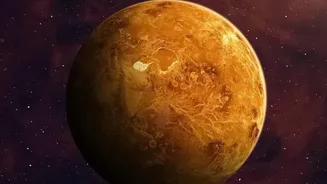
Why Venus is Earth's 'Evil Twin'
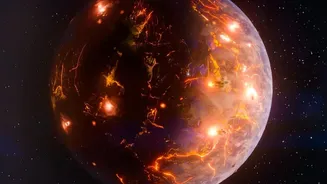
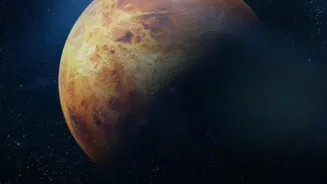
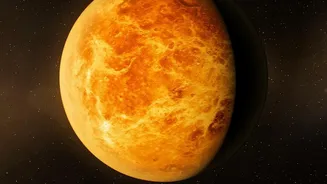
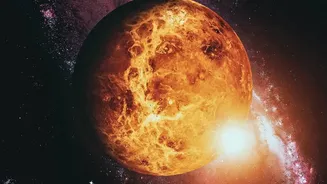
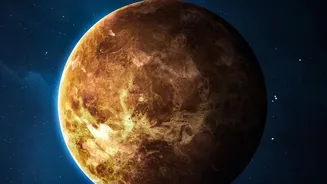
Venus is often called Earth's twin, and for good reason. The two planets are remarkably similar in size, mass, and density, and are thought to have formed from similar materials in the same part of the solar system. But the similarities end there. While Earth is a thriving oasis, Venus is a hellish world with surface temperatures hot enough to melt lead—around 462 degrees Celsius. Its atmosphere is over 90 times denser than Earth's and composed almost entirely of carbon dioxide, creating an extreme runaway greenhouse effect. Blanketing the planet is a thick, unbroken layer of sulfuric acid clouds. Understanding why these two 'twin' planets followed such dramatically different evolutionary paths is one of the biggest questions in planetary science. Studying Venus could offer profound insights into planetary habitability and even serve as a cautionary tale for climate change on Earth.
The Search for a Smoking Gun
A primary objective of Shukrayaan-1 is to hunt for direct evidence of active volcanism. While the surface of Venus is known to be dominated by volcanic features—with more volcanoes than any other planet in the solar system—confirming current activity has been a long-standing challenge. One of the most promising methods is to search for sulfur dioxide (SO2) in the atmosphere. On Venus, sulfur dioxide from volcanic eruptions combines with water to form the planet's thick sulfuric acid clouds. Above the cloud tops, intense solar radiation should quickly break down any SO2. Therefore, finding significant and fluctuating concentrations of this gas at high altitudes could be a 'smoking gun'—strong evidence of recent and ongoing volcanic eruptions spewing fresh gas from the planet’s interior. Previous missions have detected mysterious spikes in atmospheric SO2, hinting at volcanic activity, and Shukrayaan-1 is equipped to investigate these phenomena with greater precision.
Advanced Instruments for a Hostile World
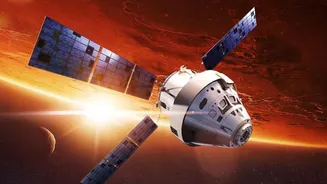
To achieve its scientific goals, the Shukrayaan-1 orbiter will carry a suite of around 100 kilograms of scientific instruments. Key among them are tools designed to probe the atmosphere and map the surface. A Synthetic Aperture Radar (SAR) will pierce the thick cloud cover to create high-resolution maps of Venus's geology, searching for lava flows and volcanic hotspots. Other instruments, including spectrometers, will analyze the composition of the atmosphere in detail. They will measure the altitude profiles and concentrations of key gases like sulfur dioxide, looking for the tell-tale variations that could signal an eruption. The mission also includes international collaboration, with payloads from other countries set to study the interaction between the Venusian atmosphere and the solar wind. Together, these instruments will provide a comprehensive picture of the planet, from its mysterious subsurface to the top of its toxic atmosphere.