


Recognising the Signs of Anxiety
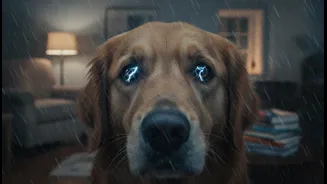
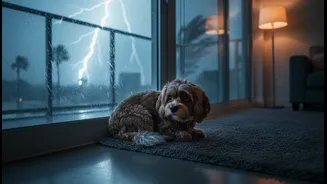
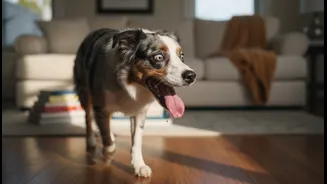
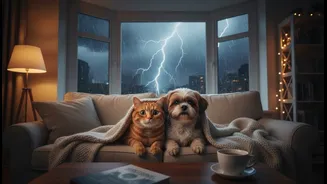
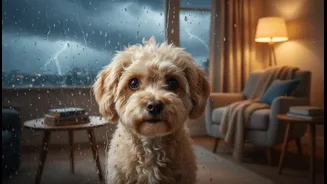
Before you can help, you need to know what to look for. Noise anxiety in pets isn't just about hiding. Common signs include excessive panting or drooling, trembling or shaking, pacing restlessly, and becoming unusually clingy. Some animals may vocalise
their distress through whining or barking, while others might engage in destructive behaviours like scratching at doors or chewing furniture. In some cases, a frightened pet might even have accidents in the house. These behaviours are not signs of a 'bad' pet; they are symptoms of genuine fear caused by their heightened sensitivity to loud noises and even changes in barometric pressure that precede a storm.
Building a Comfortable Den
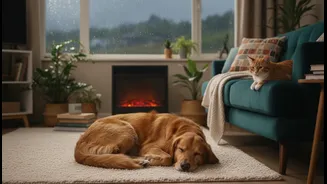
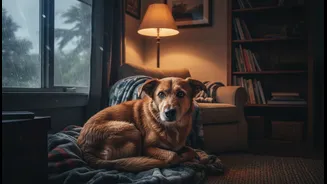
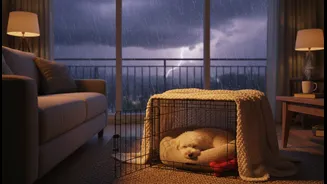
Your pet’s instinct during a storm is to find a safe, enclosed space. You can help by creating a designated 'safe den' for them. This doesn't have to be elaborate. A crate covered with a heavy blanket, a cosy corner in a closet, or even a bathroom with no windows can work perfectly. The key is to make it comfortable and inviting. Fill it with their favourite soft bedding, familiar toys, and perhaps an item of your clothing that carries your scent. It’s crucial to introduce them to this space during calm weather, using treats and praise to build a positive association long before the first thunderclap. This ensures they see it as a retreat, not a punishment.
Managing the Environment
When a storm is rolling in, you can take simple steps to buffer your pet from the frightening sounds and sights. Close windows, doors, and heavy curtains to muffle the noise and block out flashes of lightning. Playing calming background noise can also be incredibly effective. This could be soft classical music, a television show, or a white noise machine. The consistent, gentle sound helps to mask the sharp, unpredictable booms of thunder, preventing your pet from startling at every clap. Some pets are also comforted by the drone of a fan or even a running dishwasher.
Calming Aids and Distractions
Sometimes, environmental management isn't enough. This is where calming aids can provide extra support. Pressure wraps, like the popular 'ThunderShirt', apply gentle, constant pressure to a dog's torso, which can have a soothing effect similar to swaddling a baby. Pheromone diffusers or sprays, available for both dogs and cats, release synthetic versions of natural calming chemicals and can help create a more secure atmosphere. Engaging your pet with a high-value distraction, like a puzzle toy filled with their favourite food or a long-lasting chew, can also redirect their focus and energy away from the storm outside.
Behavioural Support and Your Role
Your own behaviour during a storm plays a significant role. Pets are highly attuned to our emotions, so if you act anxious, it can heighten their fear. It’s important to remain calm and speak in a steady, reassuring voice. While you shouldn't over-coddle a fearful pet, which can sometimes reinforce the idea that there is something to fear, providing gentle comfort is okay. For a long-term solution, consider desensitisation. This involves playing recordings of storm sounds at a very low volume while your pet is calm, rewarding them, and gradually increasing the volume over many sessions. This helps them slowly build a new, positive association with the noise.
When to Consult a Veterinarian
If your pet's anxiety is severe—leading to self-injury, extreme panic, or destructive behaviour—it’s crucial to seek professional help. A veterinarian can rule out any underlying medical issues and discuss a plan tailored to your pet. This might include recommendations for specific calming supplements containing ingredients like melatonin or L-theanine. In some cases, a vet may prescribe short-term anti-anxiety medication to help your pet safely get through the worst of the storm season. Never give your pet any medication without professional guidance.