






Why We Need to Talk About Fibre
Before we dive into millets, let's talk about fibre. Think of it as your digestive system's best friend. Dietary fibre, which is abundant in plant-based foods, is a type of carbohydrate the body can't digest. It plays a crucial role in maintaining gut
health, ensuring regular bowel movements, and preventing constipation. There are two types: soluble fibre, which forms a gel and helps control blood sugar and cholesterol, and insoluble fibre, which adds bulk to stool. A high-fibre diet is linked to a lower risk of chronic diseases, better weight management by keeping you fuller for longer, and a flourishing gut microbiome. Unfortunately, modern diets, often heavy on refined grains like white rice and maida, are seriously lacking in this essential nutrient.
The Millet Advantage: A Fibre Powerhouse
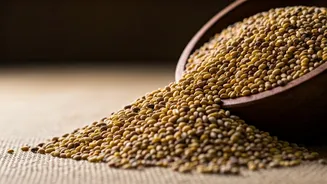
This is where millets shine. Compared to polished white rice and refined wheat, millets offer a vastly superior fibre profile. For instance, 100 grams of white rice contains a mere 0.2g of fibre, while whole wheat has about 1.9g. In contrast, millets like ragi (finger millet) and bajra (pearl millet) can contain up to 11g of fibre per 100g. This isn't just a small difference; it's a game-changer for your daily nutrition. Millets provide a healthy mix of both soluble and insoluble fibre. This dual-action fibre supports everything from smooth digestion to slowing glucose absorption, which is why millets are highly recommended for managing blood sugar levels and diabetes. Their low glycemic index prevents the sharp sugar spikes associated with refined grains, providing sustained energy instead.
Your Guide to Popular Indian Millets
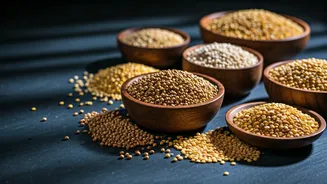
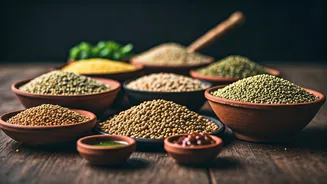
The world of millets is diverse, with each grain offering its unique benefits. Here are a few popular ones: Ragi (Finger Millet): A nutritional superstar, ragi is celebrated for its high calcium and iron content, in addition to being rich in fibre. Its fibre promotes gut health and helps control blood sugar, making it an excellent choice for all ages. Jowar (Sorghum): A versatile, gluten-free grain, jowar is packed with fibre, protein, and antioxidants. It's known to be gentle on the stomach and acts as a prebiotic, feeding the good bacteria in your gut. Bajra (Pearl Millet): Especially popular in colder months, bajra is high in protein, magnesium, and iron. Its combination of soluble and insoluble fibre aids digestion and keeps you feeling full. Foxtail Millet (Kangni): This millet is praised for its role in blood sugar control and heart health. With a texture similar to rice, it’s an easy substitute in dishes like pulao and upma.
Simple Swaps to Add Millets to Your Diet
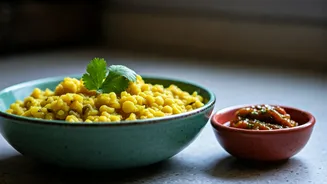
Adopting millets doesn't require a complete overhaul of your kitchen. The key is to start small and make simple, sustainable swaps. 1. Mix Your Flours: Begin by mixing millet flour (like jowar or ragi) with your regular wheat atta for making rotis. You can start with a 70:30 ratio of wheat to millet and gradually increase it. 2. Replace Rice Once a Week: Try substituting rice with foxtail or barnyard millet in dishes like khichdi, pulao, or even just as a side with dal. These millets cook similarly to rice and have a light texture. 3. Power-Up Your Breakfast: Millet-based breakfasts are a fantastic way to start your day. Options like ragi porridge, millet upma, or dosa batter made with millet flour are both filling and nutritious. 4. Healthy Snacking: You can even incorporate millets into snacks. Think ragi cookies, bajra thalipeeth, or baked millet sticks instead of fried, processed options.