
From Runway to Reality
The latest Haute Couture Week in Paris signaled a dramatic evolution from presentation to performance. While the exquisite, handmade garments remain the ostensible stars, the show itself has become the main event. Designers are no longer just showing
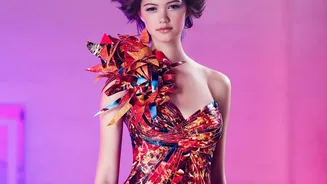
clothes; they are building entire worlds around them. For instance, Valentino's show forced audiences to peer through peepholes into brightly lit boxes where models stood like living sculptures, a concept that slowed down the viewing process and focused attention on the intricate details. At Schiaparelli, creative director Daniel Roseberry presented a collection rooted in emotion, with dramatic silhouettes like scorpion tails and feathered bodices staged in the dark Petit Palais to amplify the intensity. Others, like Stephane Rolland, created a circus-like atmosphere with live doves and aerialists to match the drama of the clothes. This move towards immersive, theatrical events marks a fundamental change in how fashion is communicated.
The Driving Force: An Economy of Attention
This pivot towards experiential shows is a direct response to the digital age. In a world of visual overload, a simple runway walk is no longer enough to capture a global audience's attention. Brands now compete for cultural relevance and online engagement, where a viral moment on social media can be as valuable as a positive review from a critic. Fashion is consumed as content, and the spectacle provides the narrative. The goal is to create an emotional journey for the audience, using set design, music, and performance to craft a memorable story. The front rows, filled with celebrities and influencers, often generate as many headlines as the collections themselves, turning the entire event into a social theatre designed for digital circulation. It's a strategy to make an exclusive event feel like a global cultural moment, shared instantly across Instagram, TikTok, and YouTube.
Is Craftsmanship Getting Lost in the Spectacle?
The central question arising from this trend is whether the artistry of the garment is being overshadowed. Haute couture is, by definition, the pinnacle of craftsmanship, involving hundreds of hours of handwork. Some argue that the focus on celebrity, spectacle, and social media moments distracts from the technique and construction that defines couture. The conversation can shift from silhouette and embroidery to which star was sitting in the front row. However, an alternative view is that these immersive experiences provide a richer context for the clothes. Jonathan Anderson's debut for Dior was praised for its sculptural, nature-inspired forms, which were enhanced by the show's botanical symbolism. Chanel's fairytale forest setting, complete with candy-coloured mushrooms, helped frame a collection focused on lightness and movement, making the iconic Chanel suit feel new and airy. Proponents believe the experience doesn't replace the craft but rather gives it a more powerful emotional and narrative backdrop, turning fashion into a form of living art.
The New Vanguard of Couture
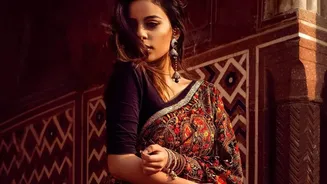
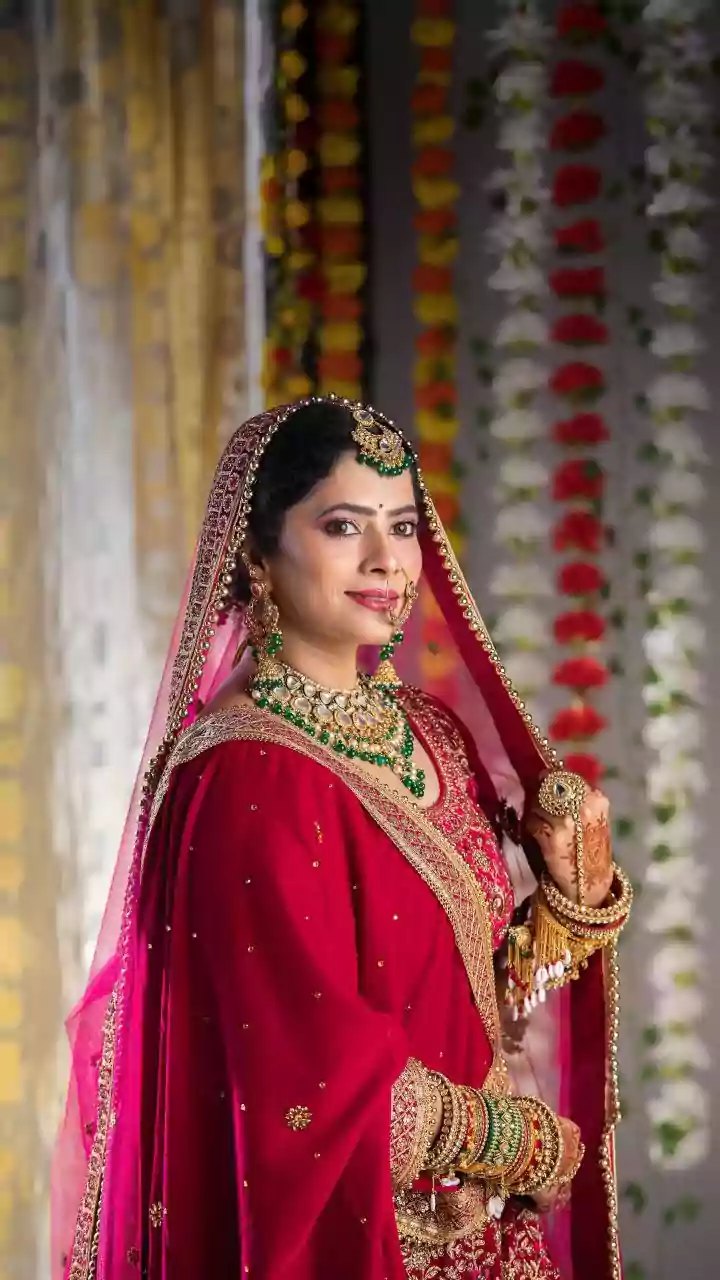
A new generation of creative directors is leading this charge, injecting fresh energy into historic houses. Daniel Roseberry at Schiaparelli has become known for his surrealist, art-like presentations that feel more like performance art than a fashion show. Recent seasons also saw much anticipation for debuts like Pierpaolo Piccioli at Balenciaga and Duran Lantink at Jean Paul Gaultier. These designers understand that modern luxury is about building a universe and that a show is a key tool for storytelling. Even the schedule itself reflects a global shift, with Indian couturiers like Rahul Mishra and, more recently, Manish Malhotra joining the official Paris calendar, bringing their own rich aesthetic traditions and perspectives to the world stage.