
The Magic of Raw Jackfruit
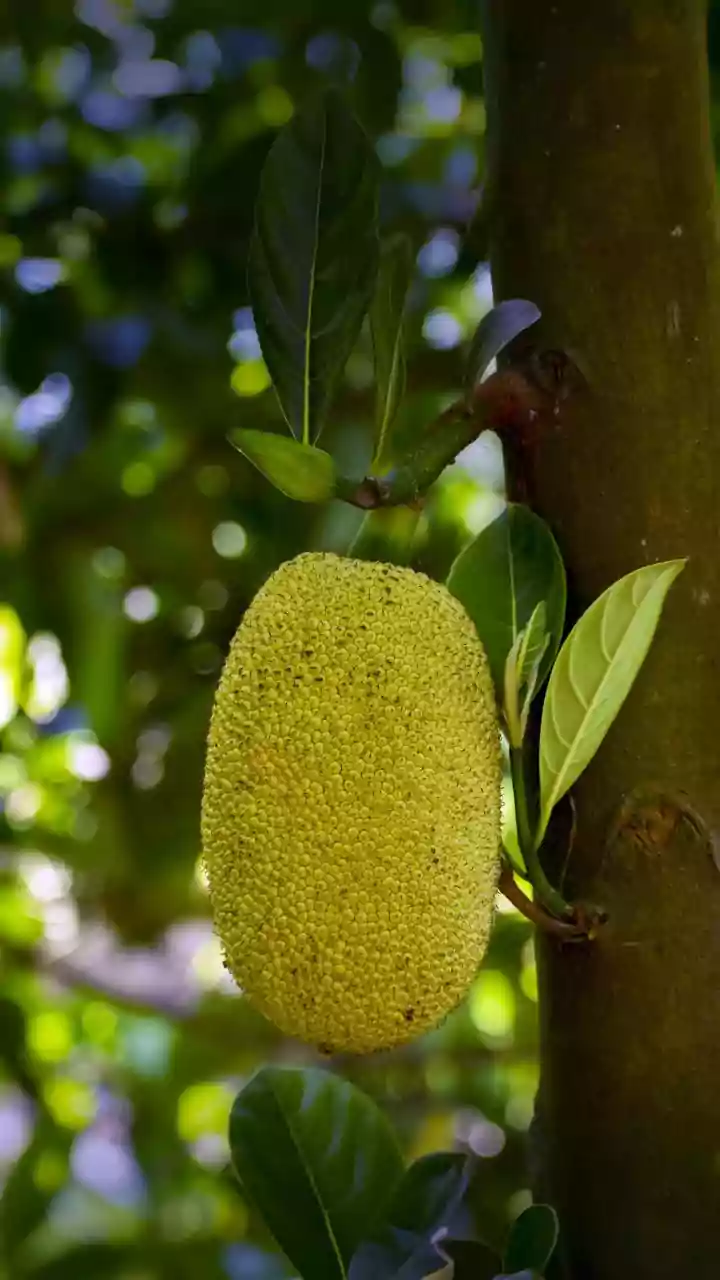
Before it sweetens into the fragrant, yellow fruit many know and love, young green jackfruit possesses a remarkably different character. When raw, its flesh is dense, fibrous, and relatively neutral in flavour. This unique structure is the secret to its culinary
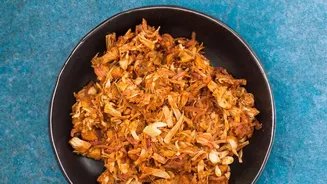
success. Unlike many vegetables that soften completely upon cooking, raw jackfruit holds its form, offering a substantial, stringy, and satisfying chew. This fibrous quality allows it to be shredded, cubed, or slow-cooked, creating a texture uncannily similar to pulled pork or tender mutton. It’s this chameleon-like ability that has made it a staple in Indian kitchens for centuries and a darling of the global plant-based movement today.
From Fruit to 'Meat'
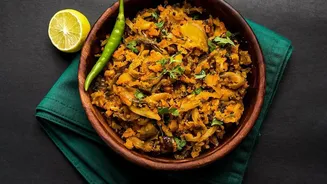
The transformation from raw fruit to a meat-like marvel happens during the cooking process. The key is its ability to act like a sponge. As kathal cooks, its dense fibres soften just enough to become tender without turning to mush. More importantly, its mild taste means it readily absorbs the flavours of the spices and aromatics it's cooked with. Whether simmered in a rich masala, pressure-cooked until tender, or fried to achieve crispy edges, the jackfruit soaks up every bit of flavour. Techniques like first boiling or frying the jackfruit pieces help them retain their shape and texture, ensuring they don’t break down in the gravy. This process makes it not just a filler, but an active participant in the dish, providing a hearty and satisfying bite that feels substantial.
The Parsi Approach: A Symphony of Flavours
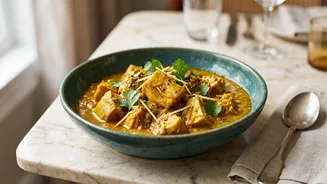
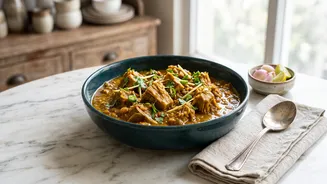
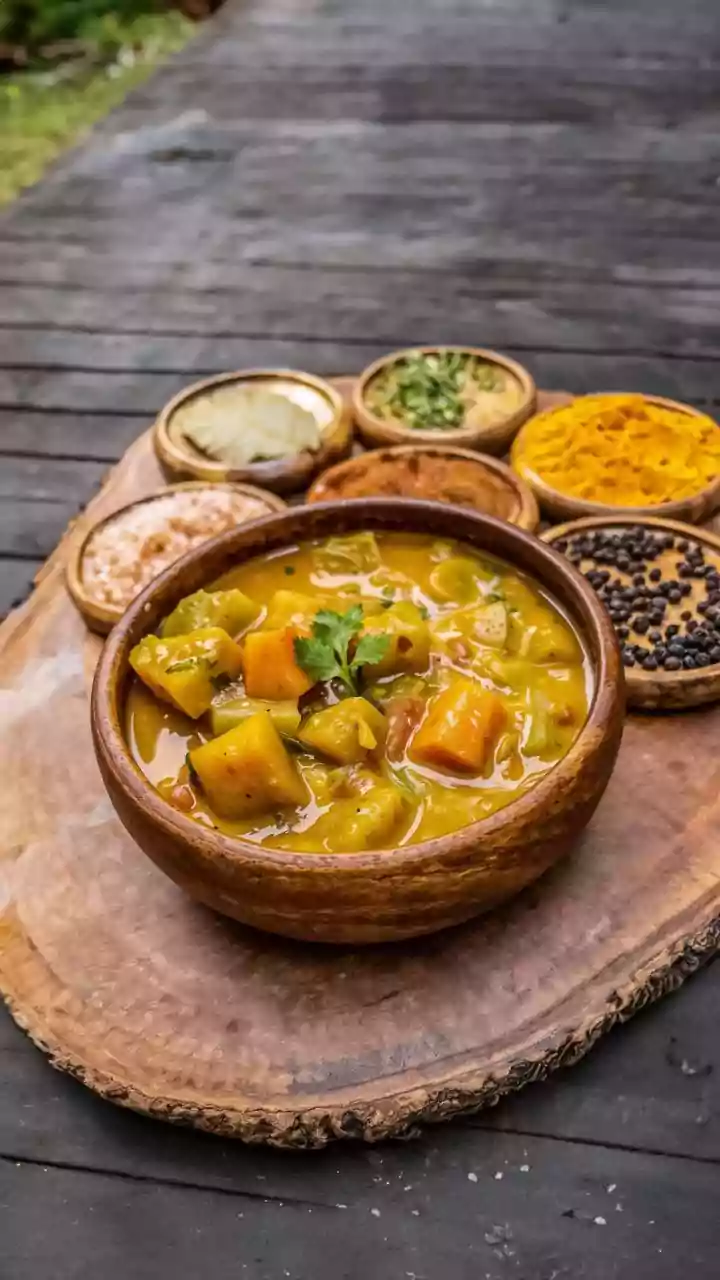
While Parsi cuisine is often celebrated for its meat and egg dishes, its vegetarian repertoire is equally rich and nuanced. A Parsi curry, whether made with vegetables or meat, focuses on a delicate balance of sweet, sour, and mildly spicy notes rather than overpowering heat. In a Parsi kathal preparation, this philosophy shines. The jackfruit's meaty texture provides the perfect canvas for the traditional Parsi masala, which often includes a gentle blend of spices, ginger, garlic, and tomatoes, sometimes balanced with a hint of sugar or vinegar. The community's culinary style allows the jackfruit's texture to be the star, supported by a gravy that complements rather than conceals it. The result is a dish where the kathal is not just a substitute, but the intended hero.
Mastering the Texture at Home
To achieve the perfect meaty texture for your Parsi kathal curry, preparation is key. Start by selecting a young, green jackfruit; its flesh should be milky white, not yellow. Dealing with the fruit's sticky sap can be tricky, so it's essential to grease your hands and knife with oil before you begin cutting. Once peeled and cored, chop the fibrous flesh into bite-sized pieces. To ensure the pieces don't discolour, you can soak them in salt water. A common technique to perfect the texture is to briefly boil or shallow-fry the jackfruit pieces before adding them to the masala. This pre-cooking step helps the pieces hold their shape during simmering, preventing them from becoming too soft and ensuring they have that desirable, toothsome quality in the final dish.