





Poha: The Fibre-Fuelled Powerhouse
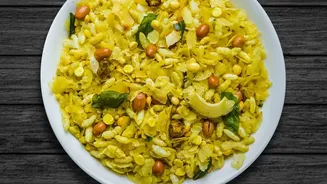
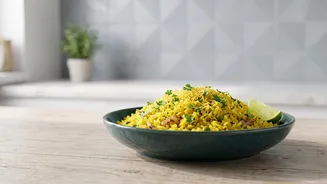
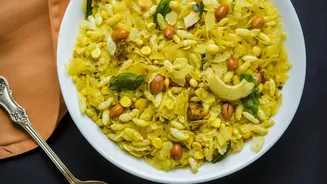
Poha, made from flattened rice, is a beloved breakfast across India for good reason. It’s light, versatile, and, most importantly, an excellent source of complex carbohydrates. Unlike simple carbs found in sugary cereals or white bread that cause a rapid
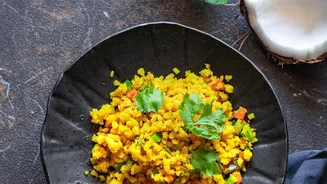
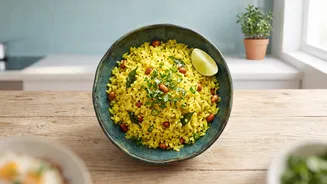
spike and crash in blood sugar, the carbohydrates in poha provide a slow and steady release of energy. This is largely thanks to its significant fiber content. Fiber slows down the absorption of sugar into the bloodstream, preventing the energy dips that can leave you feeling foggy and fatigued by midday. This sustained glucose supply is crucial for brain function, as the brain relies on glucose to perform demanding cognitive tasks. A single bowl of vegetable poha offers not just energy but also a wealth of nutrients like iron, which combats fatigue, making it a truly brain-boosting start to your day.
Idli: The Protein and Probiotic Partner
On its own, a plain rice idli is primarily a carbohydrate. Its power, however, is unlocked through two key processes: fermentation and partnership. The batter for idli, a mix of rice and urad dal, is fermented overnight. This process not only makes the idlis light and easily digestible but also enhances the bioavailability of nutrients and introduces beneficial probiotics that support gut health. A healthy gut is increasingly linked to stable energy and mood. The real magic for mental stamina happens when idlis are paired with their traditional accompaniments: sambar and chutney. A cup of dal-rich sambar can add a significant protein boost to the meal. This combination of carbohydrates from the idli and protein from the sambar is a classic strategy for stabilizing blood sugar. Protein slows down digestion, ensuring the energy from the carbohydrates is released gradually, promoting alertness and preventing the sluggishness that follows a carb-heavy meal.
The Science of Sustained Brain Energy
Your brain consumes about 25% of your body's daily energy, primarily in the form of glucose. To maintain focus, memory, and cognitive performance, it needs a stable and consistent supply. Foods with a low or medium glycemic index (GI), which measure how quickly a food raises blood sugar, are ideal. High-GI foods like sweets and refined grains cause a rapid surge in blood sugar, followed by a sharp drop that often results in irritability, brain fog, and fatigue. Both poha and idli, when prepared correctly, work to avoid this cycle. Poha, especially thicker varieties, generally has a moderate GI and is packed with fiber. While idli is made from rice, its fermentation and, crucially, its pairing with protein-rich sambar and healthy fats from coconut chutney, lower the overall glycemic impact of the meal. This ensures your brain gets the steady fuel it needs to function optimally throughout a long and demanding day.
Optimising Your Morning Meal
To get the most out of these traditional breakfasts, a few simple enhancements can make a big difference. For poha, be generous with vegetables like peas, carrots, and onions to increase the fiber content even further. Adding a handful of peanuts not only provides a satisfying crunch but also adds healthy fats and a dose of protein, improving satiety. When it comes to idli, don't skip the sambar, and ensure it's a hearty, lentil-rich version. For an even greater protein punch, you could consider having a boiled egg on the side. These small adjustments transform an already healthy meal into a perfectly balanced breakfast designed for peak mental performance, proving that age-old wisdom often aligns perfectly with modern nutritional science.