








The Tyranny of the Five-Minute Break
We all know the feeling. A meeting ends early, the kettle is taking its time to boil, or you’re waiting for a friend to arrive. The five-minute gap appears. Instinctively, our hands reach for the sleek, glowing rectangle in our pocket. We tell ourselves
it's just for a moment—a quick check of notifications or a scroll through a feed. But more often than not, that 'break' leaves us feeling more drained, anxious, or agitated than before. This phenomenon, often dubbed 'doomscrolling' or digital fatigue, is the result of our brains being flooded with information, social comparisons, and alerts. Instead of a moment of rest, our downtime has become another source of cognitive load, turning precious moments of potential peace into frantic bursts of consumption.
The Analog Antidote
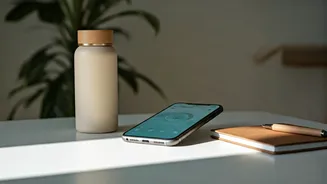
In response to this digital deluge, a growing number of people are turning to a decidedly low-tech solution: a notebook and a pen. The journal is re-emerging not just as a tool for long-form diary entries, but as a direct replacement for the smartphone during those small, in-between moments. Choosing to open a notebook instead of an app is a conscious act of defiance against the attention economy. The appeal lies in its physicality and simplicity. There are no notifications, no pop-up ads, and no algorithm designed to keep you hooked. It offers a tangible, private space that is entirely your own. The rustle of paper and the smooth glide of a pen provide a sensory experience that grounds you in the present moment, a stark contrast to the disembodied experience of swiping on glass.
More Than Just a Diary
The modern journaling movement is far more flexible and less intimidating than the 'Dear Diary' stereotype of the past. For a five-minute break, it’s not about writing a perfectly composed essay. It’s about utility and release. Many are adopting practices like the 'brain dump,' where you simply list everything on your mind—worries, to-do items, random ideas—to get it out of your head and onto the page. Others use the time for a quick gratitude list, jotting down three things they are thankful for. The rise of Bullet Journaling (or 'BuJo') has also provided a framework for using notebooks to organise thoughts, tasks, and ideas in a modular way. Even simple doodling or sketching offers a mental break that engages creativity without the pressure of productivity.
The Science of a Clearer Mind
This trend is backed by a wealth of psychological research. Studies have consistently shown that expressive writing—the act of writing about one's thoughts and feelings—can lead to a significant reduction in stress and anxiety symptoms. When you write by hand, you engage different neural pathways than when you type. The slower pace forces you to process your thoughts more carefully, helping to clarify emotions and solve problems more effectively. By externalising worries onto a page, you create mental distance from them, allowing your brain to stop cycling through the same anxious thoughts. This small act of self-reflection can improve working memory, boost mood, and provide a sense of control in a chaotic world.
How to Make the Switch
Making the journal your new phone-break companion doesn't require a huge lifestyle overhaul. The key is to start small and make it easy. Find a notebook that you genuinely enjoy holding and writing in—it could be a simple composition book or a fancy leather-bound journal. The tactile pleasure is part of the experience. Then, place it strategically. Keep it on your desk, in your bag, or on the kitchen counter—wherever you’re most likely to reach for your phone. When you have a few minutes, consciously choose the notebook first. Don't worry about what to write; just open it and put your pen on the page. Write one sentence. Draw a box. List what you had for breakfast. The goal isn't to create a masterpiece, but to build a new, healthier habit.