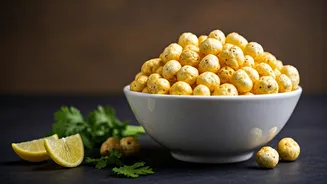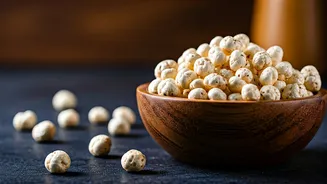



From Pond to Pantry: What Is Makhana?
Before it becomes the popcorn-like snack we know, makhana begins its life as the seed of the Euryale ferox, or prickly water lily. These aquatic plants thrive in the stagnant wetlands and ponds of Bihar, which accounts for nearly 90% of the world's fox
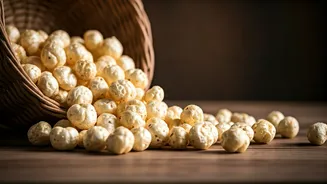
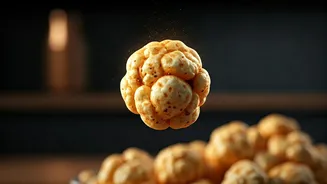
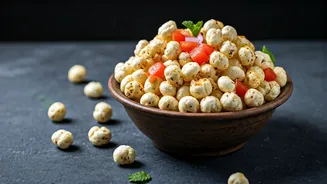
nut production. The process of harvesting and preparing makhana is incredibly laborious. Farmers wade through water to collect the seeds, which are then cleaned, sun-dried, and roasted in hot sand in a cast-iron pan. The crucial step involves striking the hot seeds with a mallet, causing them to burst open and puff up into the familiar white, airy snack. Unlike popcorn, there's no hard kernel inside, just a light, uniform crunch.
The Health Halo: More Than Just a Snack
A major driver of makhana's resurgence is its impressive nutritional profile. For a generation increasingly focused on wellness, it ticks all the right boxes. Makhana is naturally gluten-free, low in calories, and has a low glycemic index, making it a suitable snack for diabetics. It's a good source of plant-based protein and fibre, which aids digestion and promotes a feeling of fullness, curbing unhealthy cravings. Rich in essential minerals like magnesium, potassium, and phosphorus, and containing kaempferol—a flavonoid known for its anti-inflammatory properties—makhana’s health benefits are rooted in both modern science and ancient Ayurvedic tradition, where it has been used for centuries.
A Modern Makeover: Why the Sudden Buzz?
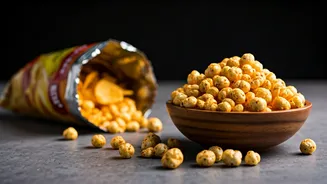
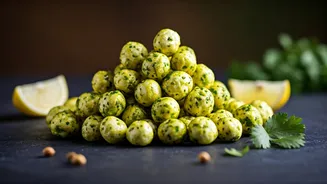
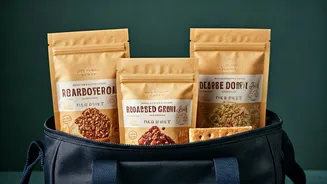
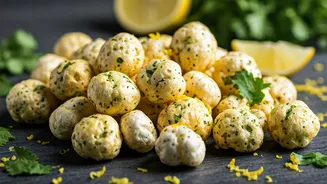
So why is this traditional food suddenly trending? It’s a perfect storm of changing consumer habits and smart marketing. As Indians look for healthier alternatives to fried chips and processed snacks, makhana offers a guilt-free indulgence. The food industry has taken notice, moving beyond the simple salt-and-pepper roasted versions. Supermarket aisles are now filled with packaged makhana in a dazzling array of flavours, from peri-peri and pudina to cheese and onion. This reinvention has transformed makhana from a simple home-roasted item into a convenient, on-the-go snack, appealing to busy urban professionals and health-conscious millennials alike. Its neutrality in flavour makes it a blank canvas, perfect for both savoury and sweet applications.
Beyond the Bowl: How to Use Makhana
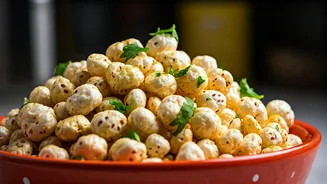
The true genius of makhana lies in its versatility. While roasted makhana is the most popular way to enjoy it, its use extends far beyond a simple snack bowl. You can grind it into a powder to thicken soups and curries like the classic 'Makhane ki Sabzi' or the rich 'Kaju Makhana'. For a creamy, dairy-free dessert, try making 'Makhane ki Kheer'. Toss roasted makhana into a bhel puri for extra crunch, or use it as a healthier alternative to croutons in salads and soups. Some even grind it into a flour for gluten-free rotis or pancakes. This adaptability is key to its quiet takeover of modern Indian kitchens, proving it's more than just a passing fad.