



More Than Just Decoration
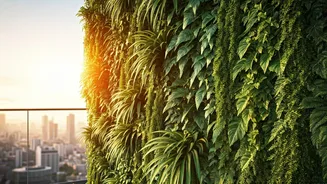
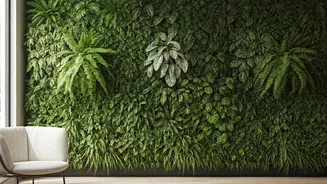
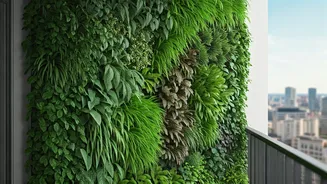
In the hustle of Indian city life, a balcony is often the only private outdoor space available. But what if its view is just more concrete and chaos? A vertical green wall, or living wall, is an elegant solution. It’s a method of growing plants on a vertically
suspended panel, creating a lush tapestry of foliage. More than just a design trend, it’s a powerful statement against urban monotony. It reclaims a sterile space and turns it into a source of natural beauty and mental peace. Studies on biophilia—our innate tendency to connect with nature—show that even seeing greenery can lower stress levels, improve focus, and boost overall mood. Swapping a view of a neighbouring wall for a wall of vibrant leaves is an upgrade for your home and your well-being.
Your Personal Oxygen & Coolant Zone
The benefits of a green wall extend beyond the visual. Plants are nature's air purifiers. While a small green wall won't single-handedly solve a city's air quality issues, it contributes to a healthier micro-environment in your home. Plants absorb carbon dioxide and release oxygen, and some are particularly effective at filtering common indoor pollutants like formaldehyde and benzene. Furthermore, in India’s hot climate, a living wall acts as a natural coolant. Through a process called evapotranspiration, plants release moisture into the air, which can lower the ambient temperature of your balcony or room by several degrees. This natural air conditioning can reduce your reliance on fans and ACs, making your space more comfortable and energy-efficient.
Choosing Your Wall System
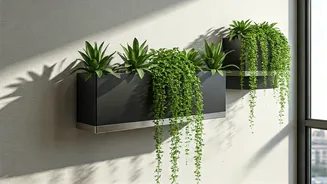
Getting started with a vertical garden is easier than you think, with systems available for every budget and skill level. The most common types are: - **Pocket Planters:** These are made from felt or other durable fabric with pockets sewn in for holding plants and soil. They are lightweight, affordable, and perfect for beginners. You can simply hang them from a wall or railing. - **Modular Panel Systems:** These consist of interlocking plastic panels that you can build up to cover a large area. Each panel has small pots or cells for plants. They are sturdier and often include built-in irrigation channels, making them ideal for larger, more permanent installations. - **Freestanding Frames:** If you can't drill into your walls (a common issue in rental apartments), a freestanding structure with shelves or grids for pots is a great alternative. This allows you to have a vertical garden without any permanent changes to the property.
Picking Plants That Thrive in India
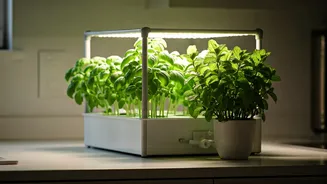
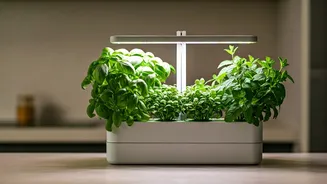
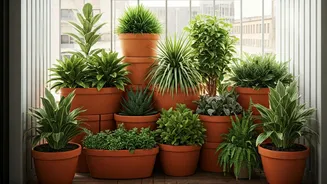
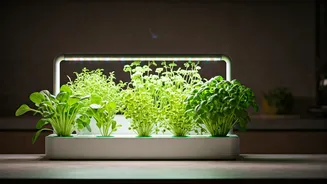
The success of your green wall depends on choosing the right plants for your specific conditions—sunlight, heat, and humidity. For a sunny Indian balcony, consider hardy options like bougainvillaea (for a pop of colour), portulaca (moss rose), and spider lily. For shadier balconies or indoor walls, you have a wealth of choices. Money Plant (Pothos) is a classic for a reason; it's nearly indestructible and drapes beautifully. Other excellent indoor choices include the Spider Plant, which produces 'pups' that can be replanted, various types of Ferns for a lush, feathery look, and Syngonium (Arrowhead Plant). You can even create an edible wall with herbs like mint, basil, and coriander if your balcony gets enough sun.
Keeping Your Green Wall Alive
Maintenance is the key to a long-lasting, beautiful living wall. Watering is the most critical task. Soil in vertical gardens can dry out faster than in traditional pots. For small pocket planters, manual watering every couple of days might be sufficient. For larger modular systems, consider installing a drip irrigation system on a timer; it’s a small upfront investment that saves a lot of time and prevents underwatering. Regularly check for pests and prune away any yellowing or dead leaves to encourage new growth and maintain the wall's appearance. Fertilise your plants every few weeks during the growing season with a balanced liquid fertiliser to ensure they get the nutrients they need to flourish.