




The Technology Fuelling the Revolution
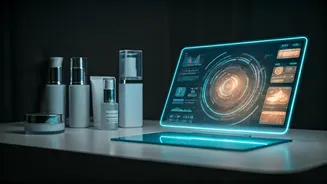
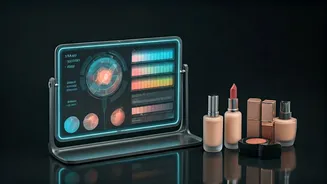
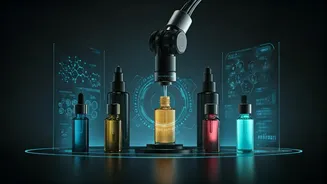
At the heart of this transformation is technology. Artificial Intelligence (AI) and machine learning are the engines driving personalised beauty, enabling a level of customisation once thought impossible. AI-powered algorithms can analyse vast amounts
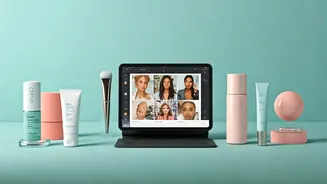
of data—from selfies and digital questionnaires to genetic information—to diagnose skin conditions, predict future issues, and recommend hyper-specific product formulations. Major brands are already deploying these tools. L'Oréal's 'SkinConsult AI', for instance, uses deep learning trained on millions of images to evaluate skin concerns like wrinkles and pigmentation. This tech allows for the creation of adaptive skincare routines that can change based on real-time factors like your local climate, air quality, and even your sleep patterns. Beyond AI, innovations like 3D printing for custom makeup shades and DNA testing to identify genetic predispositions to skin conditions are moving from niche concepts to accessible consumer options.
Why Consumers Demand 'Made for Me'
This industry shift isn't just happening because the technology exists; it's being pulled forward by strong consumer demand. Today’s beauty shoppers are more informed, digitally savvy, and expressive than ever before. They are moving away from mass-market products in favour of solutions that cater to their specific skin types, tones, and lifestyle needs. Studies show a significant number of consumers prefer tailored beauty regimens and are willing to pay more for customised products. This demand is particularly strong among Millennial and Gen Z demographics, who prioritise authenticity, inclusivity, and brands that understand their individual needs. The desire for shade inclusivity in makeup and bespoke formulations in skincare has been amplified by social media, which champions diversity and encourages people to embrace their unique features.
How Personalisation Looks in Practice
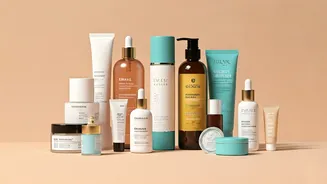
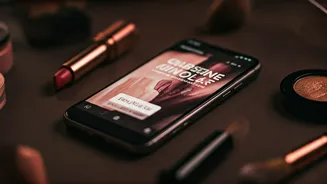
So, what does this look like on the shelf and online? It takes many forms. Subscription services now offer custom-blended serums and moisturisers based on initial quizzes and ongoing feedback. Virtual try-on tools using Augmented Reality (AR) have become standard, allowing customers to test lipstick shades or foundation matches from their phones, bridging the gap between online and in-store shopping. At-home devices are also bringing clinic-level treatments into our bathrooms, with smart cleansing brushes, LED therapy masks, and microcurrent tools becoming increasingly popular and affordable. Even fragrance is getting personal, with some companies using AI to analyse scent profiles and generate unique perfumes based on individual preferences.
The Trend in India
The personalised beauty trend is rapidly gaining momentum in India, a market with a diverse consumer base and rising disposable incomes. For years, a significant hurdle was the lack of products formulated for Indian skin tones and conditions, but technology is closing that gap. Indian startups like Hyderabad-based SkinKraft use AI-driven profiling to design customised skincare for local consumers. E-commerce giant Nykaa partnered with L'Oréal to launch the 'ModiFace' AR try-on technology, allowing users to experiment with products virtually. AI is being used across the value chain, from analysing customer feedback on social media to help brands develop preferred products, to optimising supply chains with more accurate demand forecasting. This fusion of technology with a deep understanding of the Indian consumer is creating a new, more inclusive beauty landscape.
The Future is Bespoke
The global personalized beauty market is experiencing explosive growth, with some forecasts projecting it to be worth over USD 146 billion by 2035. This isn't just a fleeting trend; it represents a fundamental rewiring of the industry. As technology becomes more sophisticated and accessible, we can expect even deeper levels of customisation. Imagine 'bio-adaptive' skincare that responds to your body's hormonal changes or smart mirrors that not only analyse your skin but also connect directly to labs to order your next custom-blended formula. While challenges like data privacy and the high cost of customisation remain, the direction of travel is clear. The future of beauty is not one-size-fits-all; it’s a precise, adaptive, and deeply personal experience, made just for you.