
What is Oil-Free Fermentation?
Unlike the heavy, oil-laden pickles many of us are familiar with, this method relies on a natural process called lacto-fermentation. It involves submerging vegetables in a simple brine of salt and water. This environment encourages the growth of beneficial
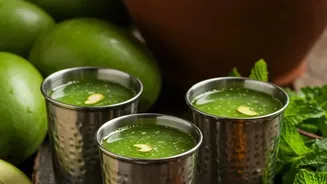
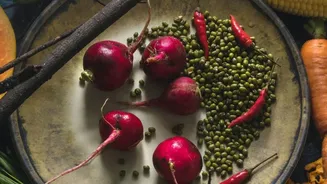
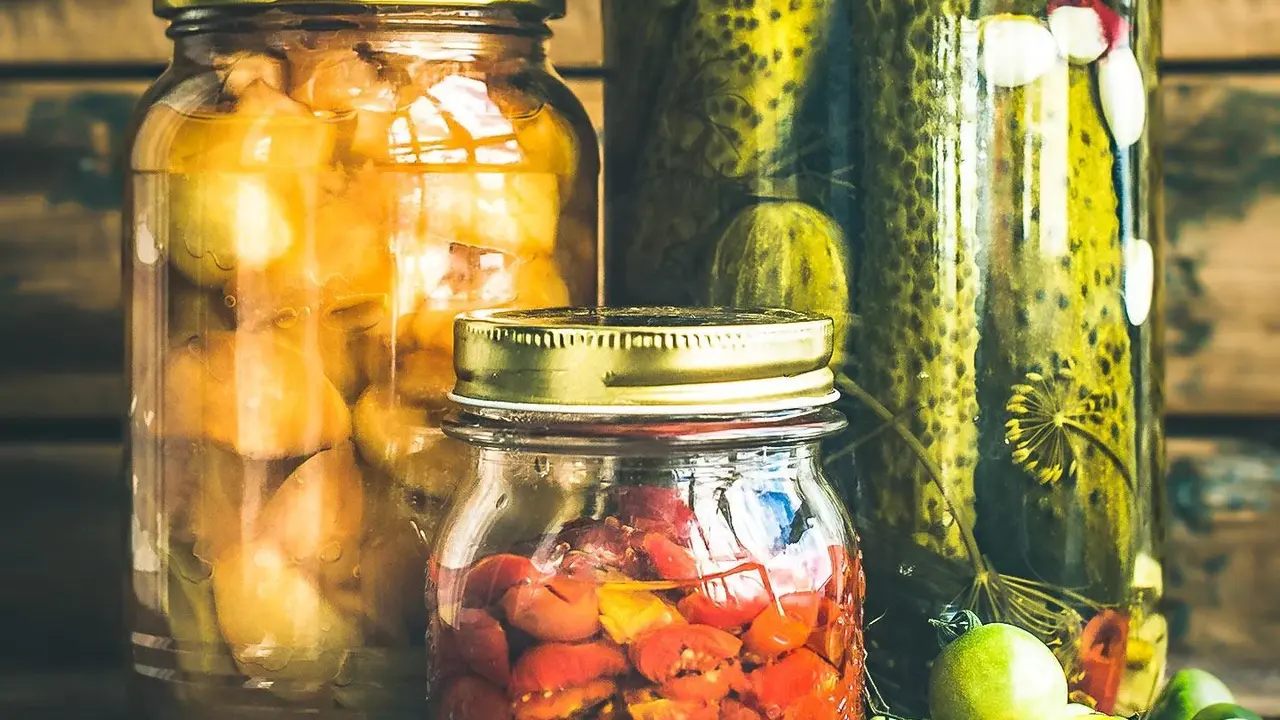
bacteria, specifically Lactobacillus. These microorganisms consume the natural sugars in the vegetables and convert them into lactic acid. This acid not only preserves the vegetables, giving them that characteristic tangy flavour, but also creates a food teeming with live, healthy bacteria. Traditional Indian examples include 'Pani Wala Achar' or the popular winter drink, Kanji, made from fermenting carrots or beetroots in water with mustard seeds and spices. This technique is distinct from vinegar pickling, which uses acid to preserve but doesn't create probiotics.
The Gut Health Connection
The primary driver behind this resurgence is a growing awareness of gut health. The beneficial bacteria created during fermentation are known as probiotics, which are crucial for maintaining a healthy digestive system. A balanced gut microbiome is linked to improved digestion, a stronger immune system, and even better mental well-being. Consuming a variety of fermented foods helps diversify the gut environment, which experts believe is key to overall health. These naturally fermented pickles offer a direct way to consume these probiotics, turning a simple condiment into a functional food that actively supports your body's internal ecosystem.
A Tradition Revived for Modern Tastes
For generations, Indian households used sun-fermentation and brining to preserve seasonal produce long before refrigeration was common. From Nimbu ka Achar preserved in its own juices to water-based raw mango pickles, oil-free preservation is deeply rooted in our culinary heritage. The current trend is less about necessity and more about a conscious choice. Urban dwellers are rediscovering these methods as an answer to the desire for 'clean eating'—foods that are free from artificial preservatives, excessive oil, and sugar. This revival reconnects a modern generation with a healthier, more sustainable way of eating that was practiced by their ancestors.
Why Now? The Urban Appeal
The comeback in city pantries is fueled by a perfect storm of modern wellness trends. As consumers become more proactive about their health, the demand for natural, functional foods has soared. Fermented foods fit this need perfectly. Furthermore, the pandemic spurred a greater interest in home-based activities and DIY food projects. Making your own pickles offers a sense of accomplishment and complete control over the ingredients. It's a simple, rewarding process that aligns with the move towards a more mindful and self-sufficient lifestyle, even in a bustling urban environment.
Getting Started at Home
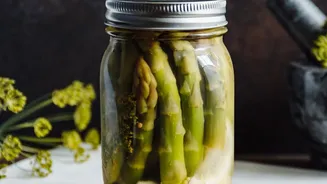
Starting your fermentation journey is surprisingly simple. You need just three basic things: vegetables, salt, and water. A clean glass jar is the ideal vessel. For beginners, hardy vegetables like carrots, beets, cabbage, and radishes are excellent choices. The basic process involves chopping your vegetables, placing them in the jar, and covering them with a brine solution (typically about 1-2 tablespoons of non-iodized salt per litre of water). Add spices like mustard seeds, fennel, or peppercorns for flavour. Seal the jar, but not too tightly, as the fermentation process releases gas. Let it sit at room temperature for a few days, 'burping' the jar daily to release pressure. You'll soon see bubbles—a sign the magic is happening. Once it reaches a taste you like, move it to the fridge to slow the fermentation.