


A Return to Authenticity
For years, modern interiors were dominated by cool greys and stark whites. But a shift is underway, led by a generation seeking comfort and meaning in their homes. Terracotta's resurgence is driven by a desire for authenticity and a connection to nature.
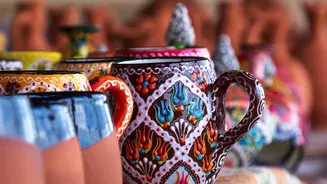
This isn't just a trend; it's a response to mass production, with a turn towards handcrafted, sustainable materials that tell a story. The warm, earthy tones of clay have a calming effect, creating inviting and grounded environments that feel both ancient and contemporary. Deeply rooted in Indian craft traditions, terracotta's revival is a reinterpretation of a familiar material, blending cultural heritage with a clean, modern design sense.
The Biophilic Connection
The trend also ties into the growing movement of biophilic design, which aims to strengthen the human-nature connection within our built environments. By incorporating natural materials like terracotta, homeowners can create spaces that reduce stress and improve well-being. Terracotta’s porous nature makes it ideal for houseplants, helping to regulate moisture and support plant health. But its role goes beyond planters. The material’s earthy hues—from sandy beige to deep rust—provide a grounding foundation for a nature-inspired colour palette. Paired with indoor plants, natural light, and other organic textures, terracotta helps transform a home into a calming sanctuary.
Styling the Modern Terracotta Look
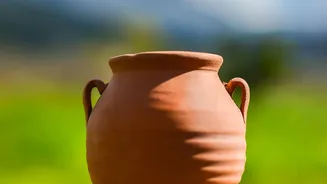
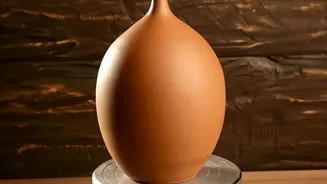
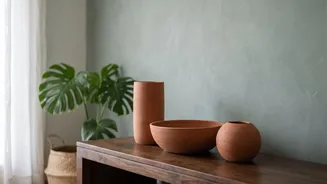
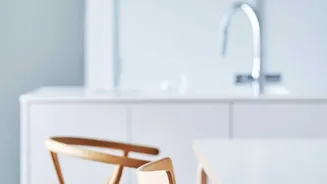
The key to the modern terracotta look is balance. It’s not about recreating a rustic courtyard; it's about using clay pieces as intentional, sculptural accents. Think minimalist cylinder pots, large statement vases with clean lines, or a cluster of small planters in varying heights on a shelf. To keep the aesthetic contemporary, pair terracotta with neutral backdrops like white or cream walls, and natural textures like wood, cane, and linen. This contrast makes the warm, reddish-brown hue pop without overwhelming the space. The most effective approach is to group two or three pieces together in a corner or on a console, creating a curated focal point rather than scattering them throughout a room.
Beyond the Traditional Planter
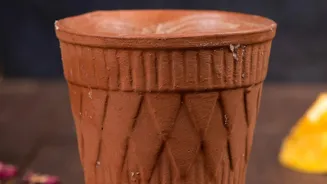
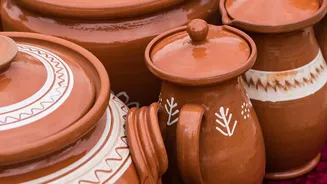
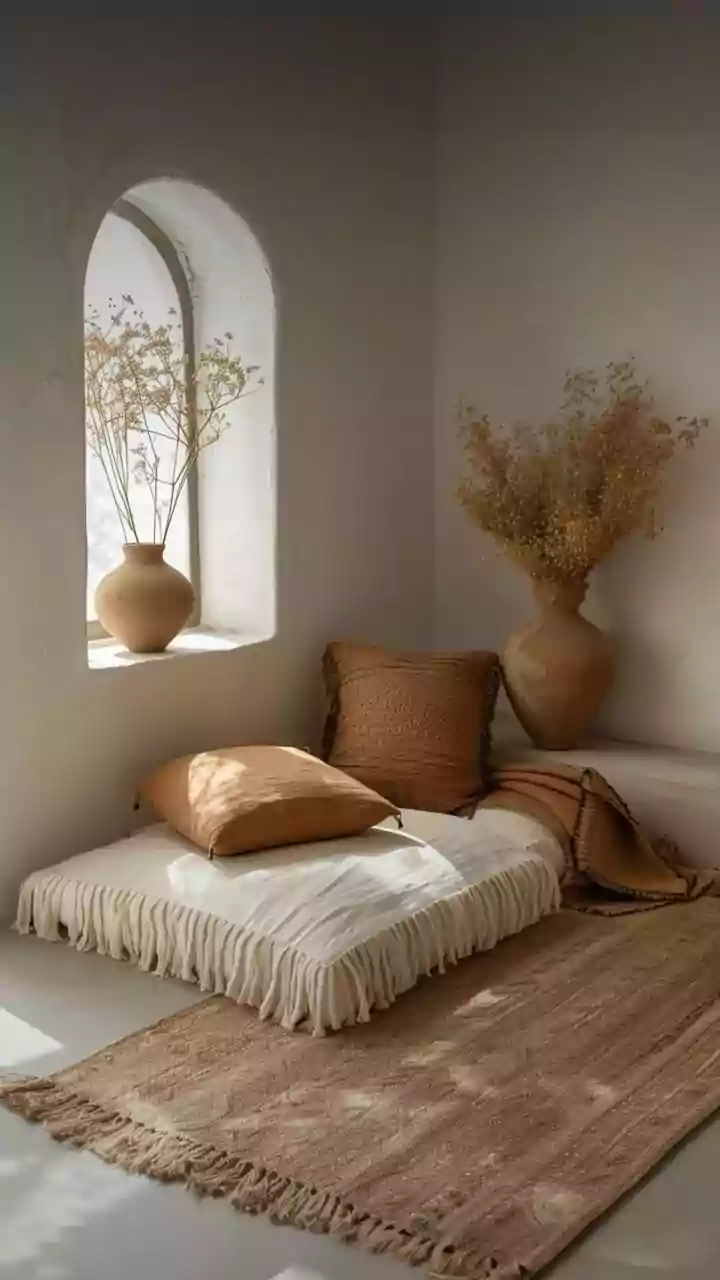
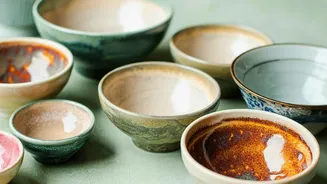
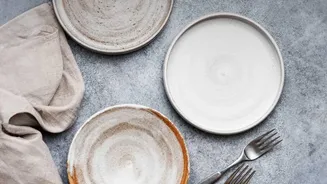
While planters are the most common entry point, modern decorators are using terracotta in more creative ways. Unglazed terracotta vases are being used to display dried flowers and grasses, adding a textural element to sideboards and tables. In the kitchen, clay utensil holders and serving bowls bring an artisanal touch. For a more dramatic effect, designers are using painted terracotta, whether in a crisp white for a Scandinavian feel or a matte black for a bold, graphic look. Terracotta can also be used as decorative objects on their own—a sculptural bowl on a coffee table or unique hanging bells can add character and a sense of craftsmanship.
Embracing Imperfection
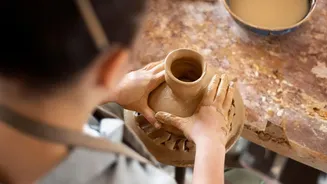
Perhaps the most significant aspect of this trend is the embrace of imperfection. Unlike mass-produced plastic or ceramic, handcrafted terracotta pieces often feature slight variations in colour, texture, and shape. This authenticity is precisely what makes them appealing. Each piece feels unique and tells the story of its creation. For Gen Z decorators, a home is not about achieving sterile perfection but about creating a personal, lived-in space that reflects their values. By choosing sustainable, handcrafted materials like terracotta, they are making a conscious choice to support artisans and bring items with soul into their homes.